

KEY POINTS
- Al-Charara production fell after an armed group closed a pipeline valve.
- NOC warned of possible force majeure if the blockage continues.
- Prolonged disruption could hit exports and Libya’s oil revenue.
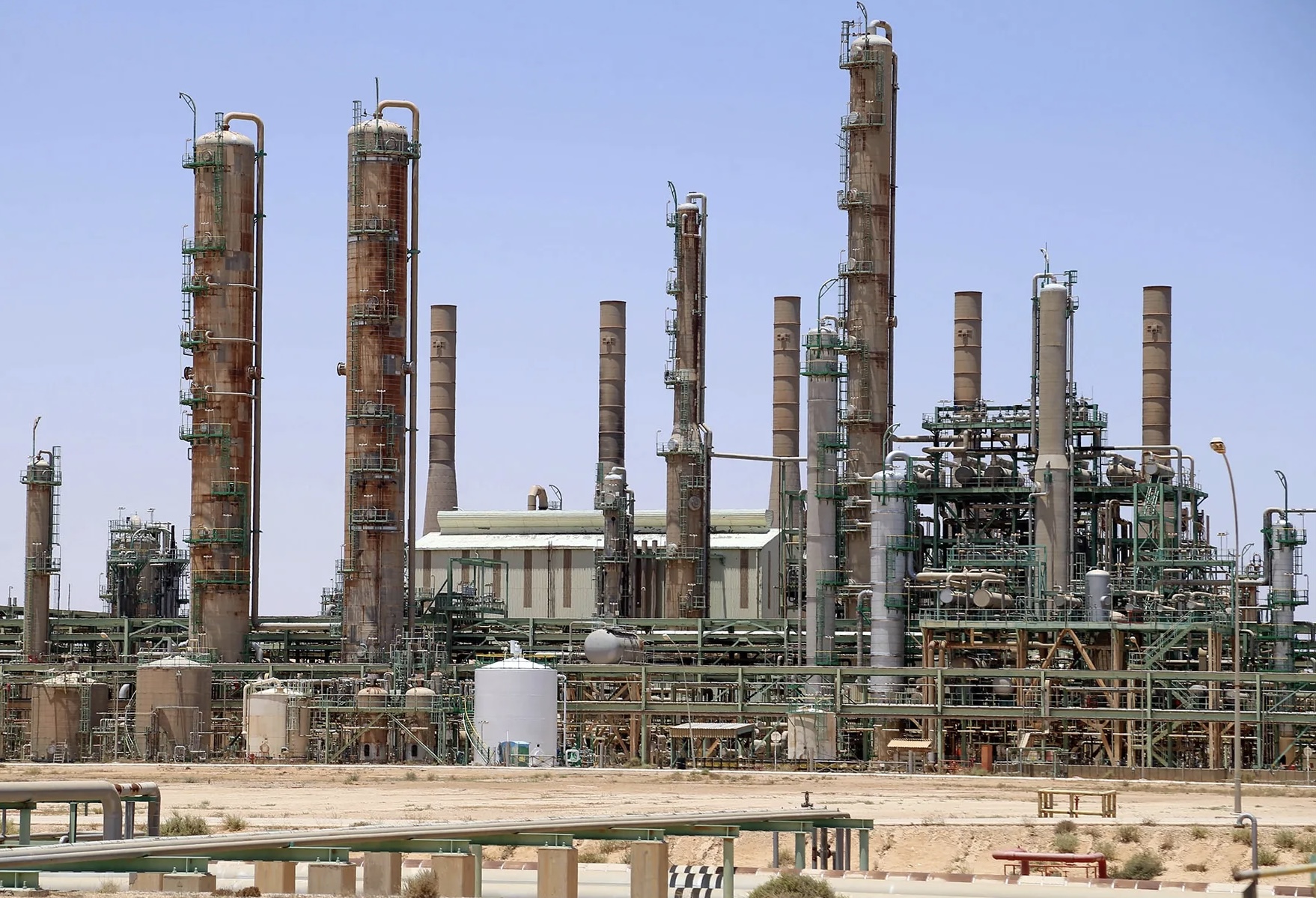
Libya’s National Oil Corporation says production at the Al-Charara oil field has declined after an armed group shut a pipeline valve, disrupting crude flows to the Zawiya terminal.
NOC said valve number 7 on the pipeline linking Al-Charara to Zawiya was closed on Monday morning, causing crude to stop flowing normally and pressure to build up in the pipeline.
The disruption has already affected production at one of Libya’s key oil fields, raising concerns that a prolonged blockage could spread to transportation and export operations.
NOC said it could declare force majeure if the disruption continues. Such a declaration allows a company to suspend or modify contractual obligations when circumstances beyond its control prevent normal deliveries.
The state oil company has called on the relevant authorities to secure the pipeline and restore crude flows. Al-Charara is operated by Akakus Oil Operations on behalf of NOC and international partners including Repsol, TotalEnergies, OMV and Equinor.
Repsol said in August that the field has the potential to produce about 350,000 barrels of crude oil a day. Crude from the field is transported about 723 km to the Zawiya storage terminal.
The terminal has storage capacity of about 2.7 million barrels and supplies both the Zawiya refinery and facilities used to load crude onto ships.
NOC warned that continued disruption could eventually halt production, transportation and exports associated with Al-Charara.
A prolonged interruption could also reduce government oil revenue and increase the cost of fuel imports required to meet domestic demand.
Pipeline disruptions remain a challenge
The latest incident adds to a series of disruptions affecting Libya’s oil infrastructure.
NOC reported just a week earlier that members of the petroleum facilities guard had closed a valve on the Hamada-Zawiya pipeline without authorisation. That incident resulted in operational stoppages at several sites.
Oil facilities in Libya have repeatedly been affected by armed groups and protest movements, which have used production sites, pipelines and terminals to exert pressure.
The country’s oil sector remains vulnerable to political and security instability that has persisted since the fall and death of Muammar Gaddafi in 2011.
Libya holds Africa’s largest proven oil reserves. The US Energy Information Administration estimated that the country accounted for 41% of Africa’s proven reserves and 3% of global reserves as of early 2024.
OPEC’s September 10 monthly report put Libya’s crude production at about 1.36 million barrels a day in August, down by 9,000 barrels a day from July.
The latest Al-Charara disruption therefore comes as Libya continues to rely heavily on its oil industry for state revenue and export earnings.
NOC said reopening the pipeline and protecting oil facilities would be necessary to prevent a complete suspension of crude flows between Al-Charara and Zawiya.