KEY POINTS
- Dangote Refinery cut petrol from ₦1,350 to ₦1,325 per litre.
- The reduction follows lower global crude oil prices.
- Consumers could see cheaper fuel if marketers pass on the cut.
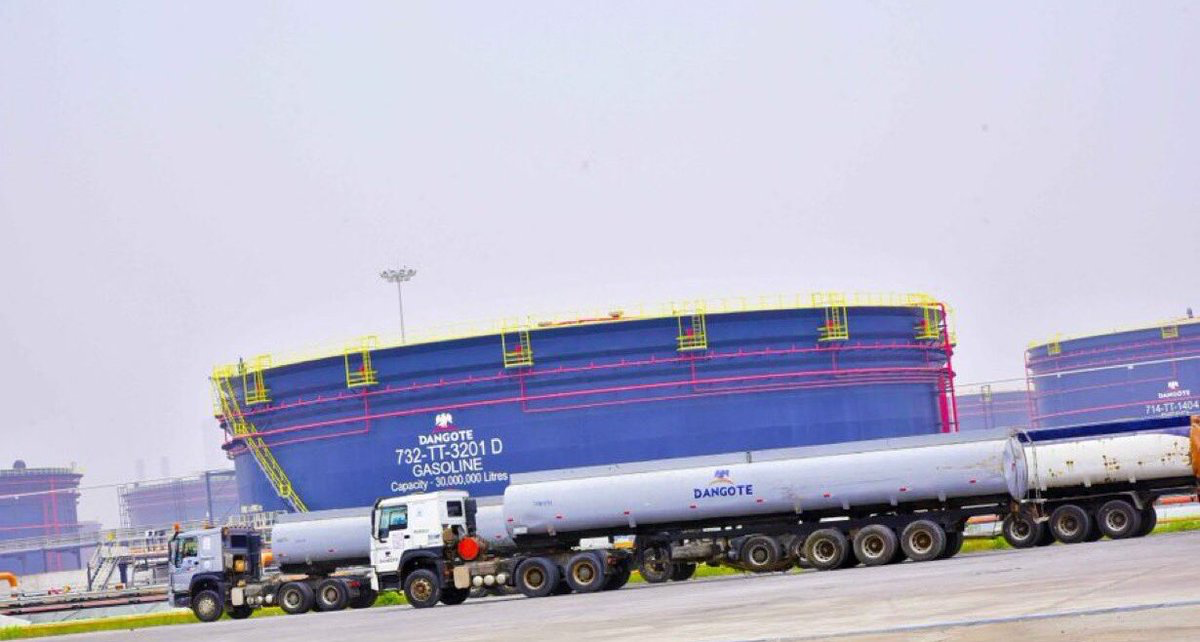
Dangote Petroleum Refinery has reduced the gantry price of Premium Motor Spirit, commonly known as petrol, from ₦1,350 to ₦1,325 per litre following a decline in global crude oil prices.
The price adjustment represents a ₦25 reduction and could provide some relief to consumers if the lower refinery price is passed through by marketers to filling stations.
The reduction comes as international crude oil prices have eased from recent highs. Brent crude was reported at about $100.50 per barrel, while West Texas Intermediate stood at $92.43 per barrel.
The refinery had increased its petrol price several times in recent weeks as crude prices climbed above $104 per barrel.
The latest reduction therefore reflects the changing cost environment in the international oil market and could influence petrol pricing across Nigeria’s deregulated downstream market.
A lower gantry price could translate into cheaper petrol for motorists and other consumers if marketers adjust their pump prices accordingly.
Any reduction in fuel costs could also have wider effects on transportation and logistics expenses. Lower transport costs can, in turn, ease some of the pressure on the cost of moving goods and services, particularly for businesses that rely heavily on road transportation.
However, the extent of any relief at the pump will depend on how quickly and fully the price reduction is reflected by fuel marketers.
Businesses could benefit from cheaper fuel
Businesses that depend on petrol for transportation, power generation and other operational activities could also benefit if the lower refinery price results in sustained reductions at filling stations.
Reduced fuel expenses could help businesses lower logistics and operating costs, potentially improving margins for companies that have faced elevated energy and transportation expenses.
The development could also put pressure on other fuel suppliers and marketers to review their own prices as competition increases across the downstream market.
The sustainability of the latest price cut will depend partly on movements in the global oil market.
If crude prices remain stable or decline further, there could be room for additional reductions. However, a renewed rise in international oil prices could put upward pressure on the cost of producing and supplying petrol.
Dangote Refinery, with a production capacity of 700,000 barrels per day, has become an important source of refined petroleum products for Nigeria’s domestic market.
The latest adjustment will therefore be closely watched by motorists, businesses and fuel marketers as they assess whether the reduction will translate into lower pump prices nationwide.