KEY POINTS
- Bangladesh raised fuel prices by up to 17.4 percent from Monday, its third hike since April, with diesel up to 135 taka a litre.
- The Energy Ministry says state oil firm BPC lost 228.76 billion taka ($1.9 billion) from March to August, and the hike could cut annual losses by about 100 billion taka.
- Exporters warn the increase will stoke inflation and squeeze garment manufacturers already battling an acute energy crunch.
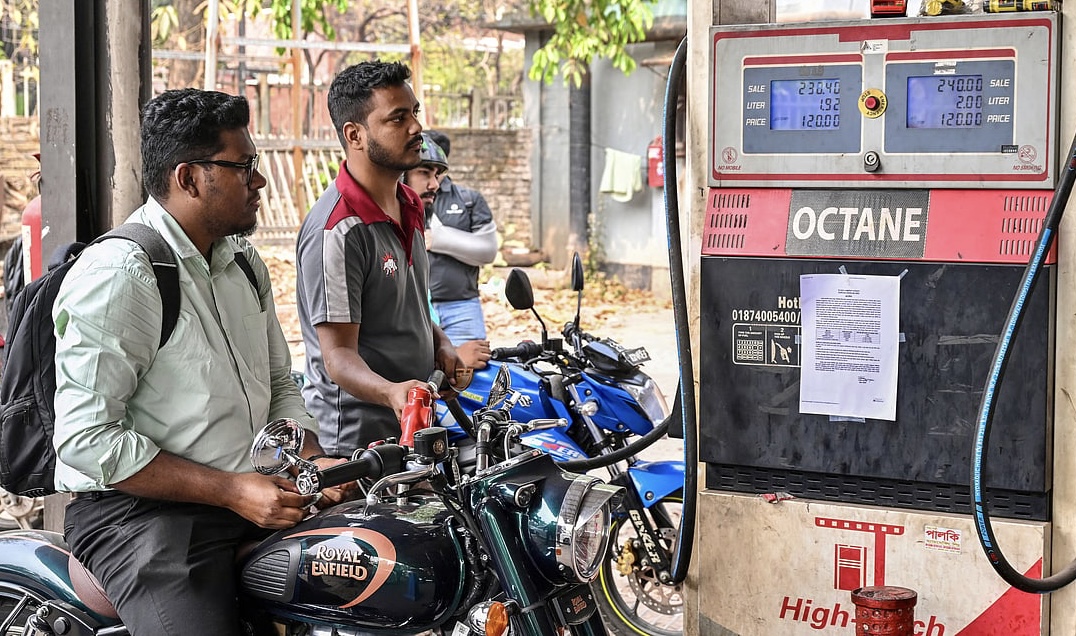
Bangladesh has raised fuel prices by up to 17.4 percent, piling fresh pressure on consumers and businesses, as the government moved to stem mounting losses from surging global oil prices and higher shipping costs tied to the Middle East conflict.
The new rates took effect on Monday. Specifically, they will lift transportation and production costs across the import-dependent economy, adding to inflation as industries, including the vital garment export sector, already battle an acute energy crunch. Moreover, this marks the third fuel hike since April, following earlier increases in April and June.
Sharp rises across fuels
The increases hit every major fuel. Specifically, diesel rose 17.4 percent to 135 taka a litre from 115, while 95-octane gasoline climbed to 165 taka from 145, petrol to 160 from 140, and kerosene to 155 from 135. Consequently, the changes ripple straight into freight, factory and household costs.
The government framed the move as damage control. According to the Energy Ministry, international fuel prices have more than doubled since March 2026, and freight charges have risen sharply on regional instability.
Losses and exporter fears
The fiscal strain is heavy. According to the ministry, state-owned Bangladesh Petroleum Corporation lost 228.76 billion taka, about 1.9 billion dollars, between March and August. Furthermore, it said the hike could cut annual losses by roughly 100 billion taka, conserve foreign reserves and curb fuel smuggling to higher-priced neighbours.
However, exporters warned the move will bite. According to Bangladesh Chamber of Industries president Anwar-ul Alam Chowdhury, the increase will hurt everyone, fuel inflation, raise production and transport costs, and could trigger job losses or force firms to downsize. Additionally, garment supplier Denim Expert’s Mohiuddin Rubel said energy costs feed directly into competitiveness. Ultimately, the hike leaves Bangladesh balancing its finances against manufacturers already squeezed by shortages and thin margins.