KEY POINTS
- Sharara oil field output has exceeded 340,000 bpd.
- Higher exports could increase Mediterranean crude supplies.
- Political and security risks threaten production stability.
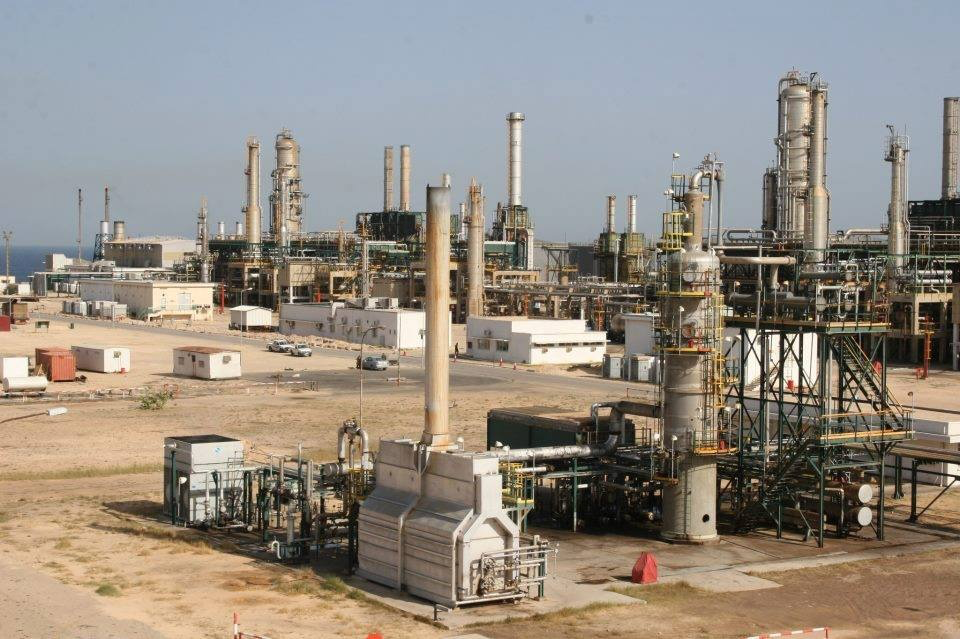
Libya’s state-owned National Oil Corporation, NOC, has announced that production at the Sharara oil field, the country’s largest oil-producing asset, has risen to more than 340,000 barrels per day (bpd), signalling a recovery in output from one of the country’s most important sources of crude oil.
The announcement, reported by Newsquawk on September 30, 2026, comes as Libya seeks to sustain crude production amid recurring operational disruptions, security concerns and political disputes that have repeatedly affected its oil industry.
The latest production figure highlights the importance of the Sharara field to Libya’s petroleum sector and its potential contribution to international crude oil supplies, particularly in European and Mediterranean markets.
Located in southwestern Libya, the Sharara oil field is the country’s largest, with a production history marked by repeated fluctuations caused by blockades, security challenges, labour disputes and political disagreements.
The field has frequently experienced shutdowns and production interruptions, with rival factions and local groups at various times using control of oil infrastructure to exert pressure on the government and the National Oil Corporation.
The NOC’s latest announcement that output has exceeded 340,000 bpd indicates a significant level of production activity at the facility. However, the corporation’s reported figure does not independently establish how much crude is being consistently produced or exported.
The sustainability of the increase will depend partly on the security of the oil field, the pipelines transporting crude and the wider political and administrative arrangements governing Libya’s petroleum industry.
The reported increase in Sharara’s production could have implications for global crude oil markets if the additional volumes are maintained and translated into higher exports.
Libyan crude is generally valued for its light, sweet characteristics, which make it suitable for refining into products such as petrol and diesel. Its quality also makes it relevant to refiners in the Mediterranean and the wider Atlantic Basin.
A sustained increase in Libyan crude supplies could add to the availability of these grades, potentially putting downward pressure on prices and narrowing price differentials between competing crude benchmarks, including Brent and West Texas Intermediate (WTI).
Higher production could also influence near-term crude oil spreads, particularly if additional supplies reach export terminals and increase the volume of oil available to refiners.
However, the market impact will depend on whether the reported output represents a recovery from a previous disruption or a lasting increase beyond the field’s established production levels.