

KEY POINTS
- Nigeria launches a nationwide system to inspect and digitally track LPG cylinders.
- The programme aims to improve safety, support local manufacturing and create jobs.
- Wider LPG use could reduce reliance on firewood and charcoal and support climate financing.
Nigeria has launched a nationwide programme to improve the safety of liquefied petroleum gas (LPG) cylinders, expand clean cooking and support local manufacturing and job creation.
The National Cylinder Recirculation Programme (NCRP), introduced by the Standards Organisation of Nigeria (SON) in partnership with government agencies and industry stakeholders, will establish a system for registering, inspecting, tracking and requalifying gas cylinders before they return to circulation.
The initiative is intended to reduce accidents linked to expired, damaged, uncertified and poorly maintained cylinders while building public confidence in the use of LPG for household cooking.
New system to identify and inspect cylinders
Under the programme, LPG cylinders will undergo safety assessments at authorised requalification facilities. Cylinders that meet the required standards will be approved for reuse, while those that fail inspections will be repaired where possible or responsibly disposed of.
Consumers will be able to exchange old cylinders through authorised retailers, helping phase out unsafe products and improve access to properly maintained equipment.
A central feature of the programme is the National Cylinder Registry, which will assign each cylinder a unique digital identity. The system will track cylinders from production and transportation through inspection, requalification, distribution and eventual use by consumers.
The digital registry is expected to help regulators monitor compliance, identify unsafe cylinders and improve accountability across the LPG supply chain.
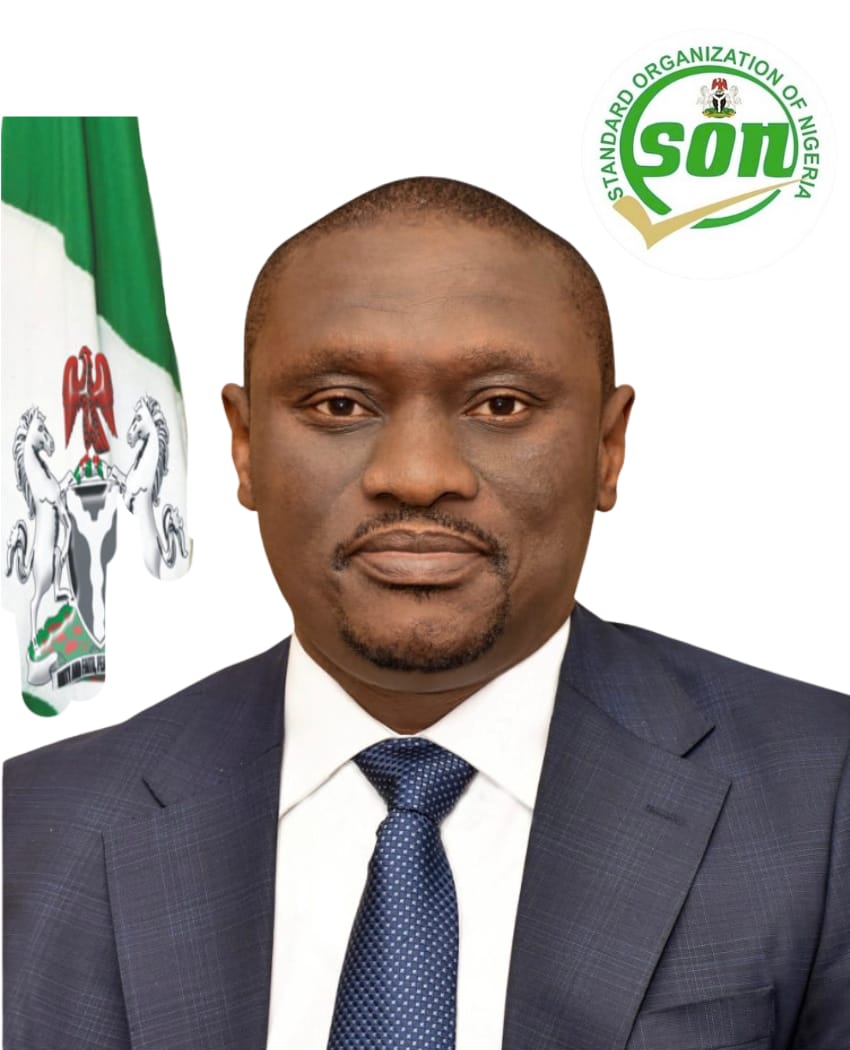
SON Director-General Ifeanyi Chukwunonso Okeke said access to cooking gas alone was insufficient without proper quality control, responsible handling and effective tracking throughout a cylinder’s life cycle.
He said the programme would combine regulatory oversight with digital traceability to protect lives and property while strengthening public trust in clean cooking energy.
Programme expected to create jobs
The NCRP is also designed to encourage domestic manufacturing, expand the capacity of cylinder requalification facilities and attract private-sector investment.
By connecting manufacturers, gas marketers, retailers, regulators and inspection facilities through a shared digital platform, the programme aims to establish a more organised and reliable LPG distribution network.
Bekeme Olowola, managing director of FuelTree and lead programme director at the NCRP Secretariat, said the initiative went beyond introducing digital identification codes. It was intended to create a national system that makes cylinder safety verifiable while opening opportunities for investment, business development and employment.
A related report by The Nation said SON had projected that the programme could generate thousands of jobs through the establishment of 430 cylinder requalification centres nationwide.
The development could create opportunities for technicians, manufacturers, distributors and other businesses involved in the handling and maintenance of LPG cylinders.
Clean cooking and climate benefits
The programme is also linked to Nigeria’s wider Decade of Gas agenda and efforts to increase the use of cleaner cooking fuels.
Greater adoption of LPG could help households reduce their reliance on firewood, charcoal and kerosene, which are associated with indoor air pollution and, in the case of firewood and charcoal, pressure on forest resources.
The programme’s digital infrastructure is expected to collect data that could help quantify environmental benefits and support the development of carbon credits and access to climate finance.
However, the scale of these benefits will depend on how widely the programme is implemented, whether households can afford LPG and whether the new safety arrangements are consistently enforced.
SON is working with the National Oil and Gas Marketing and Distribution Company, the National Council on Consumer Affairs and other industry stakeholders to support implementation.
The initiative aims to strengthen cylinder safety, expand domestic gas use and build a more reliable LPG market while supporting Nigeria’s industrial and environmental objectives.