

KEY POINTS
- US crude inventories increased by 5.28 million barrels in the week ended Nov. 13.
- Brent fell to $92.98 a barrel, while US West Texas Intermediate declined to $85.45.
- Tensions involving Iran and risks to shipping through the Strait of Hormuz limited the price declines.
Oil prices fell on Wednesday, Nov. 18, after fresh data showed that US crude and fuel inventories increased last week, adding to concerns about supply in the global market. Brent crude futures dropped 16 cents, or 0.17%, to $92.98 a barrel, while US West Texas Intermediate (WTI) fell 56 cents, or 0.65%, to $85.45. The decline followed figures showing that American stockpiles had grown across crude oil, gasoline and distillates.
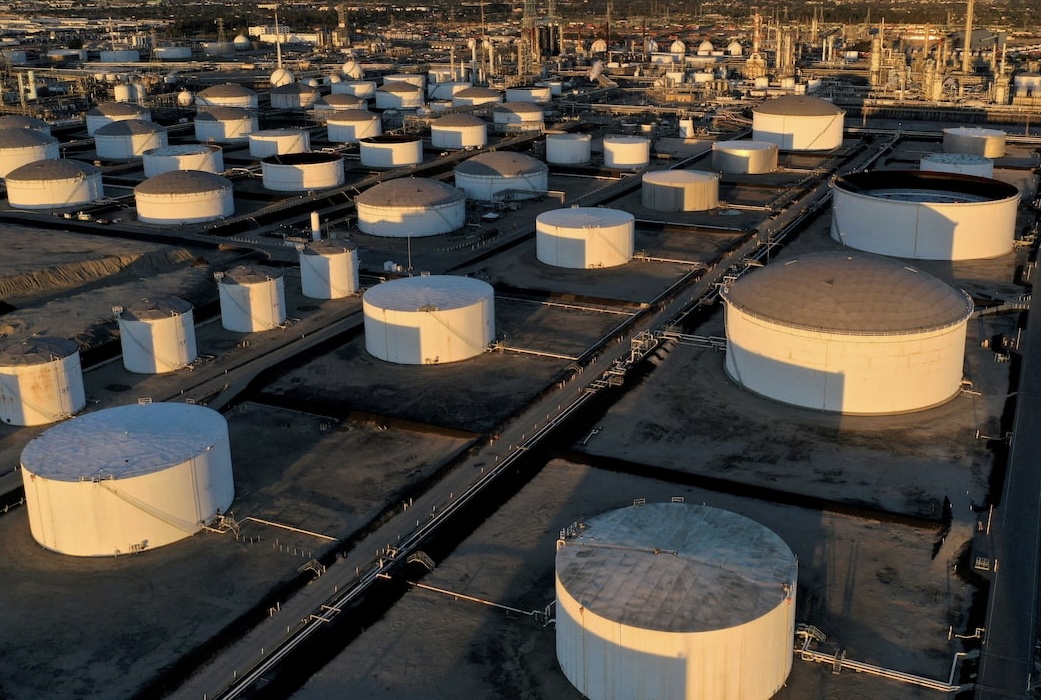
Market sources said US crude stocks rose by 5.28 million barrels in the week ended Nov. 13, citing data from the American Petroleum Institute. Meanwhile, gasoline inventories increased by 5.12 million barrels, while distillate stocks rose by 351,000 barrels. These increases suggest that available supplies have expanded, potentially weakening the immediate need for additional purchases.
However, inventory figures represent only one part of the market outlook. Traders also consider refinery activity, consumption, exports and the movement of oil between producing and importing countries. Consequently, the latest build has added pressure to prices without removing the other factors supporting the market.
Middle East tensions limit losses
Geopolitical risks continued to prevent a sharper decline. The United States and Iran exchanged strikes, while Bahrain said its defence force had intercepted Iranian aerial attacks. In addition, a tanker came under attack near Oman in the Strait of Hormuz, a major route for international oil shipments.
The waterway remains important because a significant share of global oil and gas shipments passes through it. Therefore, any prolonged disruption could restrict supplies and increase transportation costs for energy traders. The Houthis in Yemen also claimed drone attacks on Saudi pipeline pumping stations, adding another concern for regional energy infrastructure.
Analysts said shipping flows through the strait had not returned to normal. As a result, traders continued to weigh the prospect of higher inventories against the possibility of supply interruptions.
The market also faces uncertainty over the broader balance between production and demand. If inventories continue to rise while consumption remains subdued, prices could face further pressure. On the other hand, renewed attacks on shipping or energy facilities could quickly change expectations.
For oil-producing countries, including Nigeria, price movements matter because crude exports contribute significantly to government revenue and foreign exchange earnings. Nevertheless, the immediate decline does not establish a longer-term price direction. Traders will continue to monitor US stock data, regional security developments and changes in global demand.