KEY POINTS
- LSK demands an immediate forensic audit of Kenya’s G-to-G petroleum importation framework and agreements.
- Arrested energy officials were released on bail with no charges filed more than one month later.
- Matatu operators rejected government claims of progress in fuel price talks, saying no deal was reached.
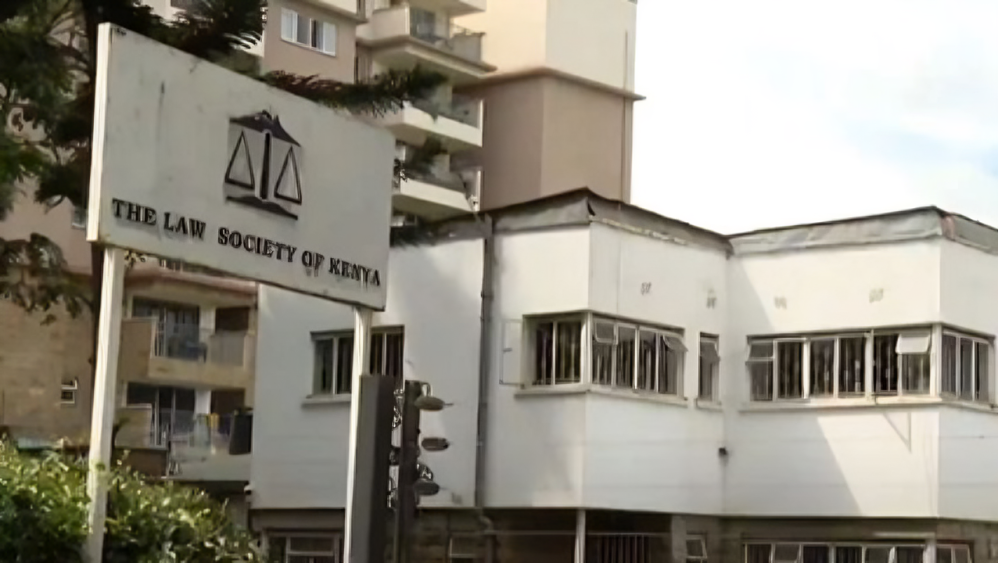
Kenya’s Law Society has had enough. In a statement issued Monday, the LSK demanded an immediate forensic audit of the country’s government-to-government fuel procurement framework, saying the arrangement lacks the transparency that Kenyan households and businesses deserve as fuel and electricity costs keep climbing.
The demand lands as a nationwide matatu strike drags on and as prosecutions of five senior energy officials arrested over alleged fuel import fraud have gone nowhere more than a month after their arrests.
“The cumulative effect of these measures has imposed a disproportionate and economically unsustainable burden on Kenyan households, businesses, manufacturers, transport operators, and other productive sectors of the economy,” LSK said.
The fraud allegations that went cold
Investigators alleged that petroleum stock figures were falsified to manufacture the appearance of a looming fuel shortage, creating grounds for emergency procurement outside the G-to-G framework at inflated prices. The numbers tell the story. Fuel supplied by One Petroleum arrived at Sh198,855 per metric ton. A G-to-G consignment from Gulf Energy cost Sh140,111 per metric ton. The gap was Sh58,744 per metric ton, roughly Sh43.40 per liter.
Five officials were arrested and released on Sh100,000 police cash bail each. Those implicated include former Petroleum Principal Secretary Mohamed Liban, former Kenya Pipeline Company Managing Director Joe Sang and former Energy and Petroleum Regulatory Authority Director General Daniel Kiptoo Bargoria. The Office of the Director of Public Prosecutions has not confirmed receiving a case file or announced whether charges will proceed.
President William Ruto vowed last month that energy sector cartels “will not escape accountability.” That accountability has not materialized publicly.
Matatu operators reject government claims
Talks between the government and the Transport Sector Alliance at Transcom House in Nairobi ended in open disagreement. Energy Cabinet Secretary Opiyo Wandayi said the government would narrow the price gap between diesel and kerosene, describing the meeting as productive. Matatu representatives pushed back directly.
“We did not agree on anything,” one operator representative said bluntly at the session.
The government proposed a Sh10 reduction in diesel prices. Operators demanded between Sh30 and Sh46 per liter. Association of Matatu Transport Owners Chairperson Kushian Muchiri said consensus was reached only on curbing fuel adulteration. On pricing, nothing moved.
The strike has disrupted public transport across Nairobi, Nakuru and other towns, leaving commuters stranded and pushing fares higher. LSK warned that rising fuel and electricity costs were undermining manufacturing, agriculture and household expenditure, threatening socio-economic rights protected under Kenya’s constitution.