KEY POINTS
- Uganda’s parliament will vote on a Shs734 billion solar irrigation loan from UKEF and Citibank.
- Phase II will extend solar-powered irrigation to additional districts hit hardest by dry seasons.
- MPs say they will demand transparency in procurement before approving the €168 million borrowing.
Uganda’s parliament is about to make a decision that could change how the country farms.
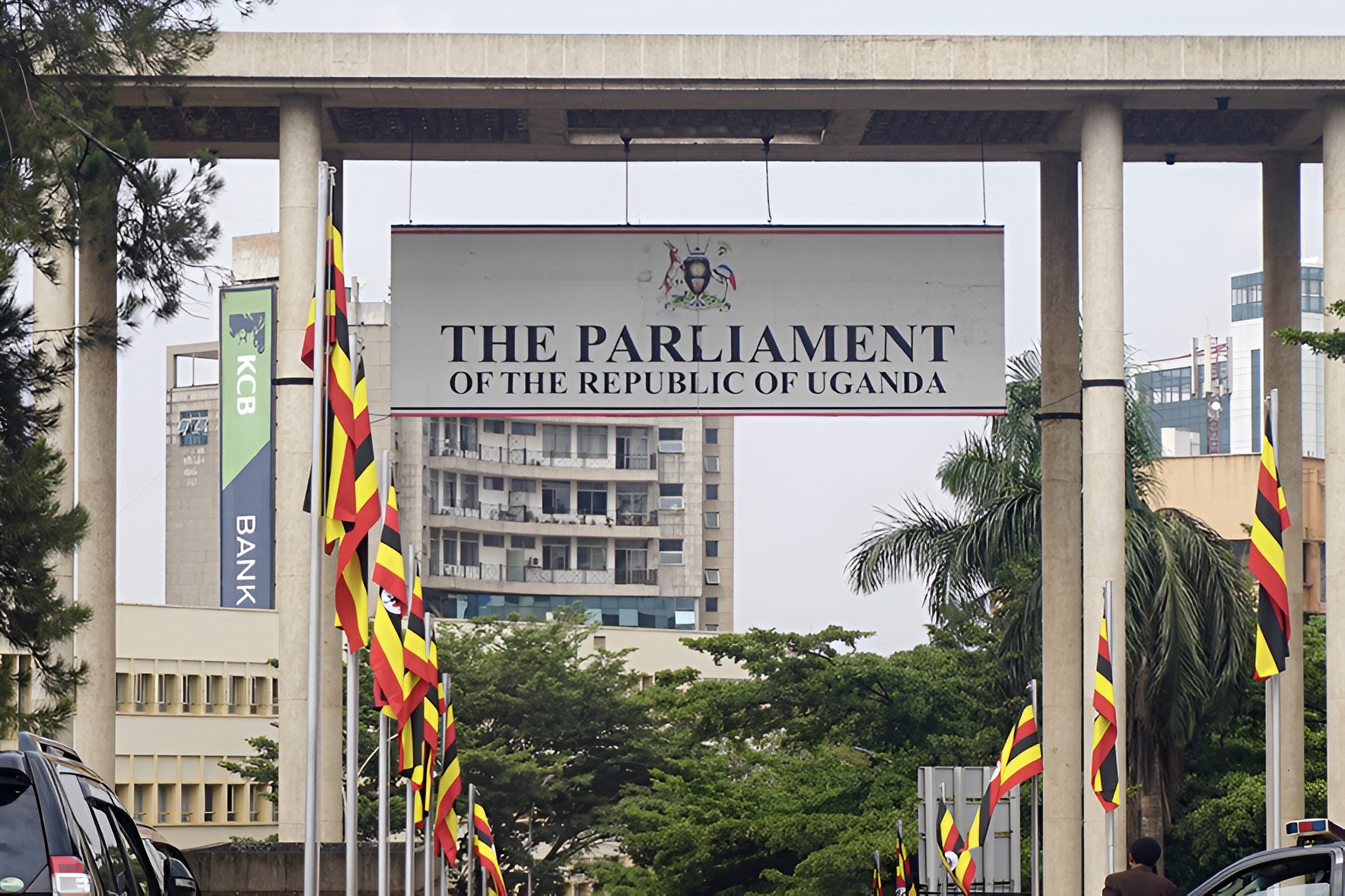
The 12th Parliament convened Wednesday, June 10, to vote on a government request to borrow approximately Shs733.7 billion, equivalent to roughly €169 million or $190 million, from UK Export Finance and Citibank to finance Phase II of the Solar Powered Irrigation Systems Project. The loan request was tabled by the Minister of Finance, Planning and Economic Development and allocated 30 minutes for debate before a vote.
The timing is deliberate. Uganda’s first solar irrigation push, launched under Phase I, installed pumps and water distribution systems in selected areas. That phase gave policymakers enough data to know the model works. Phase II is designed to scale it.
What Phase II is meant to do
The expanded programme will extend solar-powered irrigation infrastructure to additional districts and farming communities, particularly those vulnerable to prolonged dry spells. A Ministry of Finance official described the shift in how government now views the technology.
“Solar irrigation is no longer a pilot. It is a national strategy. This financing from UKEF and Citibank will help us scale up so that farmers in water-stressed areas can grow crops throughout the year,” the official said.
The broader goal is reducing Uganda’s heavy dependence on rain-fed agriculture, which leaves millions of smallholders exposed every dry season. Crop losses during dry spells are not abstract statistics for most farming households. They are income gone and food security eroded.
Parliament pushes back before saying yes
Lawmakers made clear they would not rubber-stamp the request. A former member of the Committee on National Economy said legislators would probe implementation guarantees before committing. An MP from an agricultural district welcomed the project but pushed for accountability in procurement and distribution.
Parliamentary clerks confirmed that if the motion passes, government will be cleared to conclude financing arrangements with UKEF and Citibank and proceed to implementation. The sitting contained no other substantive business, making it a single-issue session on a loan that carries significant implications for Uganda’s agricultural productivity and its stated goal of reaching high middle-income status.