KEY POINTS
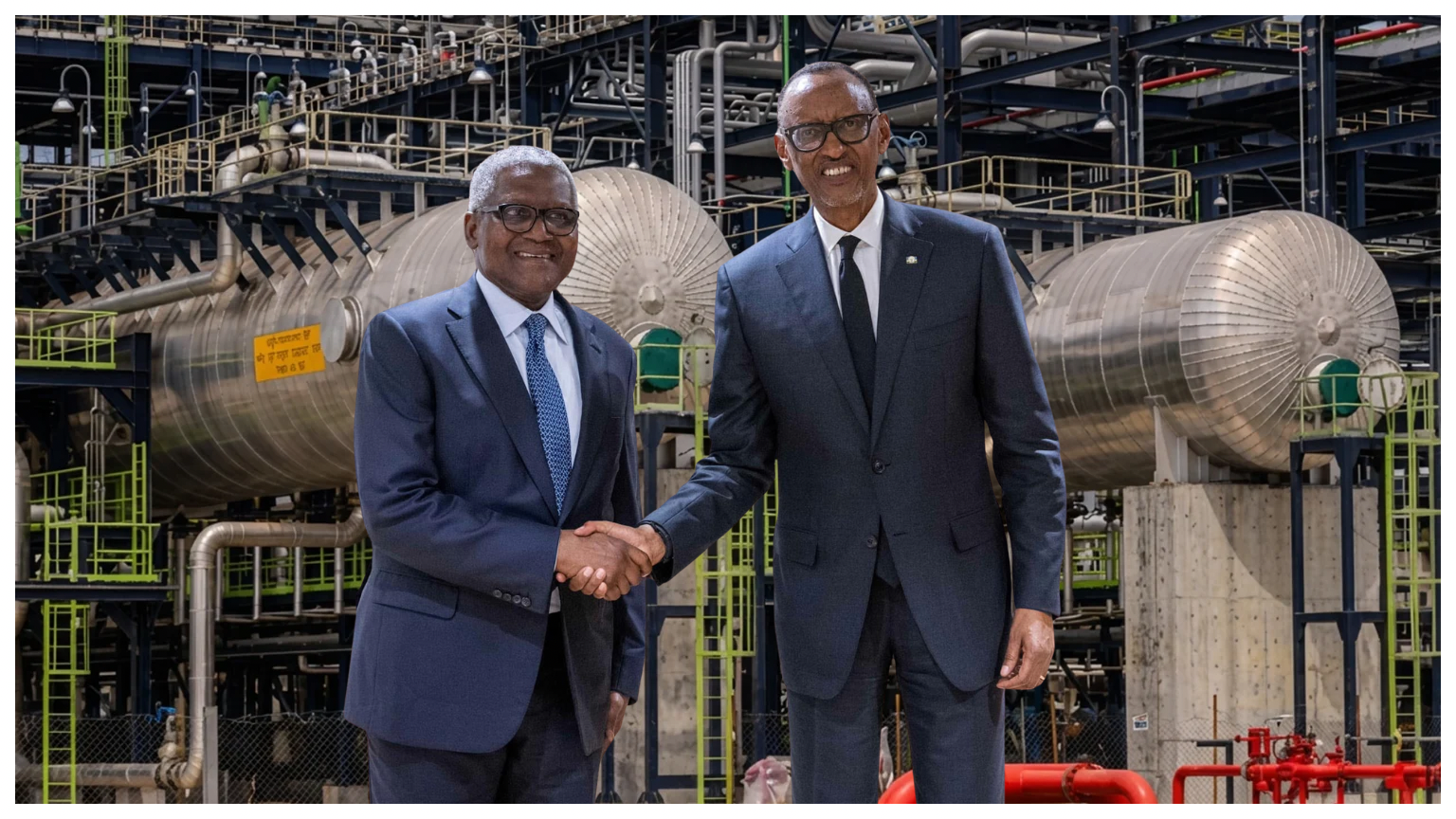
- Rwanda has backed Dangote’s proposed $17bn Lamu refinery in Kenya.
- Kenya hopes to make Lamu a major petroleum hub for East and Central Africa.
- The project could increase regional fuel supply and intensify competition among African petroleum hubs.
Rwanda has thrown its support behind Dangote Industries’ proposed $17 billion oil refinery in Lamu, Kenya, as East Africa seeks to strengthen its petroleum supply network and reduce dependence on imported refined products.
The proposed refinery, backed by Nigerian industrialist Aliko Dangote, is being promoted as a major regional energy project capable of transforming Lamu into a petroleum processing and distribution hub.
Kenya is positioning the proposed refinery as part of a broader strategy to establish Lamu as a major petroleum hub serving countries across East and Central Africa.
The project is expected to compete with existing and planned petroleum infrastructure in the region while creating new opportunities for fuel storage, processing, transportation and exports.
Kenyan authorities have been pitching Lamu to neighbouring countries as a strategic location for meeting the region’s growing energy needs.
Rwanda’s backing comes as countries in East Africa compete to secure reliable and affordable sources of refined petroleum products.
The proposed Lamu refinery could give Kenya a stronger position in the regional petroleum market by allowing crude oil to be processed closer to major consumers rather than relying heavily on imported refined fuels.
For Rwanda and other landlocked countries, a large-scale refinery and petroleum hub in the region could potentially improve supply security and provide an alternative source of fuel.
$17bn project could reshape petroleum trade
If developed, the refinery would represent one of the most ambitious investments in Africa’s downstream oil industry. Its proposed location in Lamu would also complement Kenya’s existing efforts to develop the area as a major transport, logistics and energy centre.
The project could have wider economic implications, including job creation, infrastructure development and increased petroleum trade across East Africa.
However, its success will depend on financing, construction, crude supply, regional demand and the ability of participating countries to coordinate their energy strategies.
The proposed Lamu project comes against the backdrop of the growing influence of the Dangote Petroleum Refinery in Nigeria, which has expanded its role in supplying refined petroleum products to domestic and international markets.
With Dangote now pursuing another major refinery project in East Africa, competition among African petroleum hubs could intensify as countries seek to attract investment and establish themselves as regional fuel suppliers.