KEY POINTS
- Industry sources say bunker fuel is readily available at major hubs, a sharp change from the March-April crunch, though refuelling costs have jumped.
- Singapore VLSFO prices sit more than 60 percent above pre-war levels, having softened from March’s records, with blending-stock supply the main concern.
- Fujairah bunker activity is around 40 percent of pre-war levels while Singapore holds steady, and 10 to 15 vessels still transit Hormuz daily via the Omani corridor.
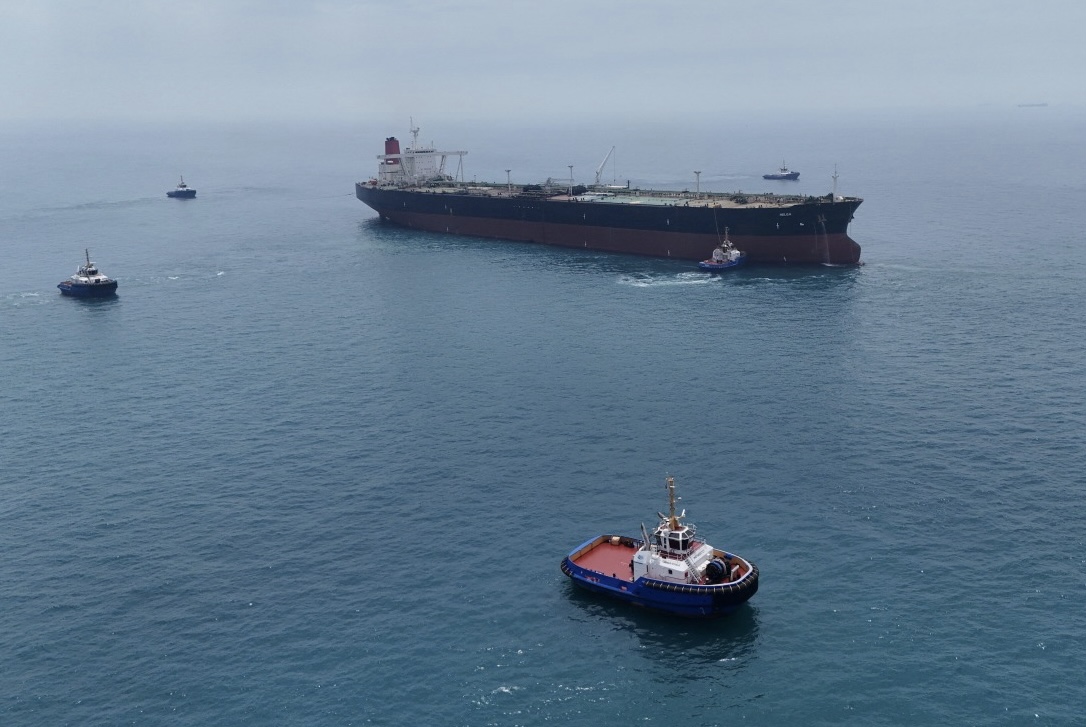
A supply squeeze in marine fuel at major shipping hubs has eased, even as the Iran war curbs exports through the Strait of Hormuz, with the market working around earlier shocks, industry sources said.
Bunker supply looks far healthier than in the spring. Specifically, Emarat Maritime managing director Rishi Nyati told an APPEC panel that sourcing bunkers and loading them aboard poses no issue today, unlike the crunch seen in March and April. However, he stressed that refuelling costs have still climbed sharply.
Prices up, but fuel available
Prices show the strain even where supply holds. According to market data, outright prices for mainstay very-low-sulphur fuel oil in Singapore, the world’s largest bunkering hub, sit more than 60 percent above pre-war levels. Moreover, prices soared after the US and Israel attacked Iran in late February and have stayed volatile, though they have softened from March’s record highs.
The bigger worry is blending. According to Repsol’s Asia heavy-products head Max Tay, there is no fuel-oil shortage now, but uncertainty lingers over possible mini supply shocks. Furthermore, Tay said the real challenge is securing blending stocks needed to make marine fuels that meet specific buyer and market specifications.
Hubs adapt at different speeds
Recovery, though, is uneven across ports. Specifically, Tay estimated bunker activity at the UAE’s Fujairah, another major refuelling hub, had returned to about 40 percent of pre-war levels, while Singapore has stayed steady since the war began. Consequently, the market is rerouting rather than seizing up.
Crucially, oil still moves through Hormuz. According to Nyati, the strait is not closed, with roughly 10 to 15 commodity-vessel transits a day in both directions via the Omani corridor on the southern side. Ultimately, the picture is one of adaptation, since higher costs and blending uncertainty, rather than outright scarcity, now define a market that has learned to live with a disrupted Hormuz.