KEY POINTS
- MRS cuts petrol price by N25 per litre.
- New Abuja price is N1,370 per litre.
- Dangote refinery had cut its price to N1,325.
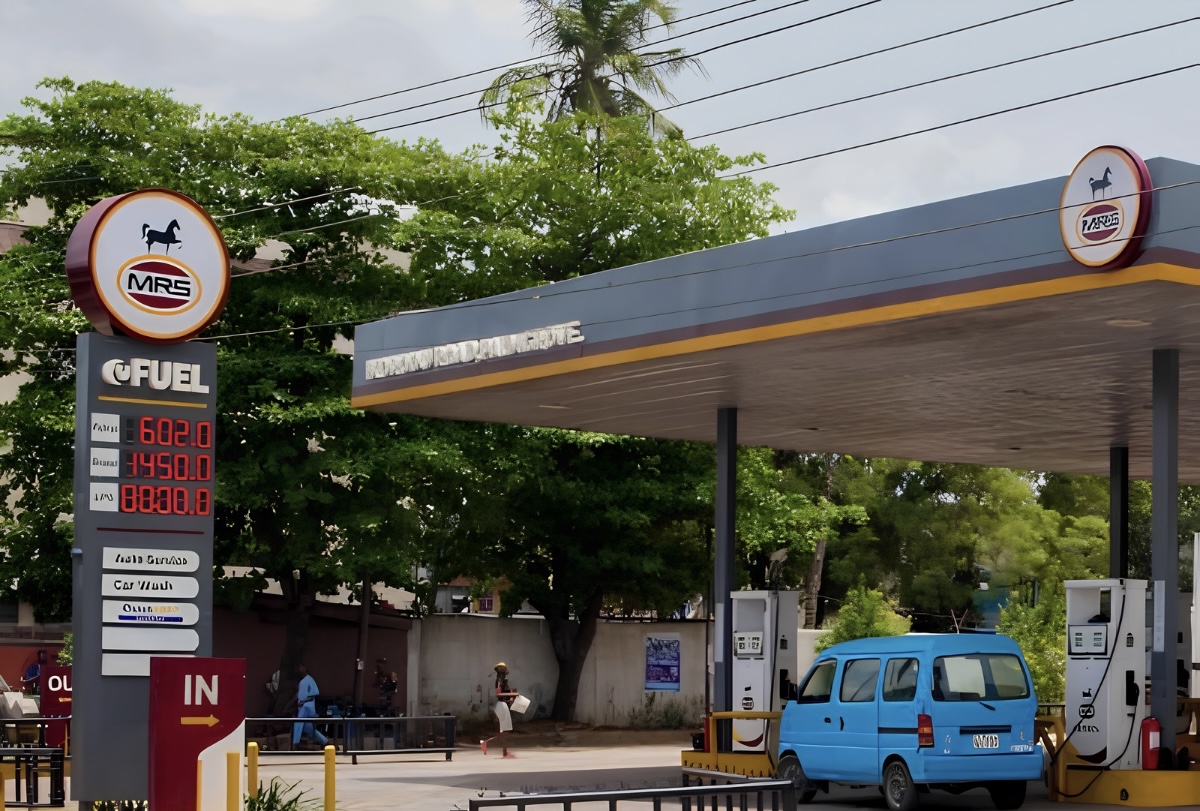
MRS filling stations have reduced their petrol pump price in Abuja, cutting the cost of Premium Motor Spirit from N1,395 to N1,370 per litre.
The N25 per litre reduction was observed at MRS outlets in Katampe and along the Lugbe Expressway, according to a market survey conducted by Daily Post on Monday.
The latest adjustment comes amid a series of price reductions linked to lower petrol prices from the Dangote Refinery, which supplies fuel to MRS and other marketers.
The reduction at MRS stations comes about a week after the Dangote Refinery cut its gantry price for petrol from N1,350 to N1,325 per litre.
The N25 reduction at the refinery has increased room for marketers to adjust pump prices, although the final retail price varies depending on transportation costs, operating expenses, location and other market factors.
MRS is among the major fuel retailers sourcing petrol from the Dangote Refinery. With the latest MRS adjustment, petrol prices in Abuja and surrounding areas now range from about N1,370 to N1,450 per litre, depending on the filling station.
The new N1,370 price at MRS represents a 1.8% reduction from the previous N1,395 per litre.
The development could provide some relief for motorists and businesses that rely heavily on petrol for transportation and power generation.
Petrol prices have a direct impact on transport fares and the operating costs of businesses, particularly those that depend on petrol-powered generators and vehicles.
Other marketers may follow
The reduction by MRS could put pressure on other fuel retailers to review their own pump prices, particularly companies sourcing petrol from the Dangote Refinery.
The Nigerian National Petroleum Company Limited, which operates a large network of retail stations nationwide, could also face pressure to adjust prices if its supply costs fall.
However, pump prices are not determined solely by the refinery’s gantry price. Logistics, distribution costs, station operating expenses and prevailing market conditions can influence the final amount paid by consumers.
The latest price movement highlights the growing role of domestic refining in Nigeria’s downstream petroleum market.
The Dangote Refinery has increased domestic petrol production and supplied fuel to marketers, giving retailers additional options for sourcing products.
As more locally refined petrol enters the market, changes in wholesale prices can increasingly influence retail prices across different locations.
For consumers, the key issue will be whether the latest reduction is sustained and whether other filling stations make similar adjustments.