KEY POINTS
- NNPC has revived talks on the Olokola LNG project, stalled since 2013.
- The proposed terminal requires 1,728 hectares and 2.5 kilometres of coastline.
- Gas supply, financing, partners and project timelines remain unconfirmed.
Nigeria’s state-owned oil company, NNPC Ltd, has revived plans to develop the Olokola Liquefied Natural Gas (OKLNG) project in Ogun State, reopening discussions on a major export terminal that has remained stalled since 2013.
The project was first proposed in 2005 but failed to progress after its major international partners withdrew without reaching a final investment decision. Chevron confirmed its exit in August 2013, while BG Group and Shell subsequently pulled out.
NNPC is now negotiating with the Ogun State Government over land acquisition and investment incentives required to restart the project. The renewed effort forms part of broader plans to develop energy infrastructure and attract industrial investment to Nigeria’s southwestern coast.
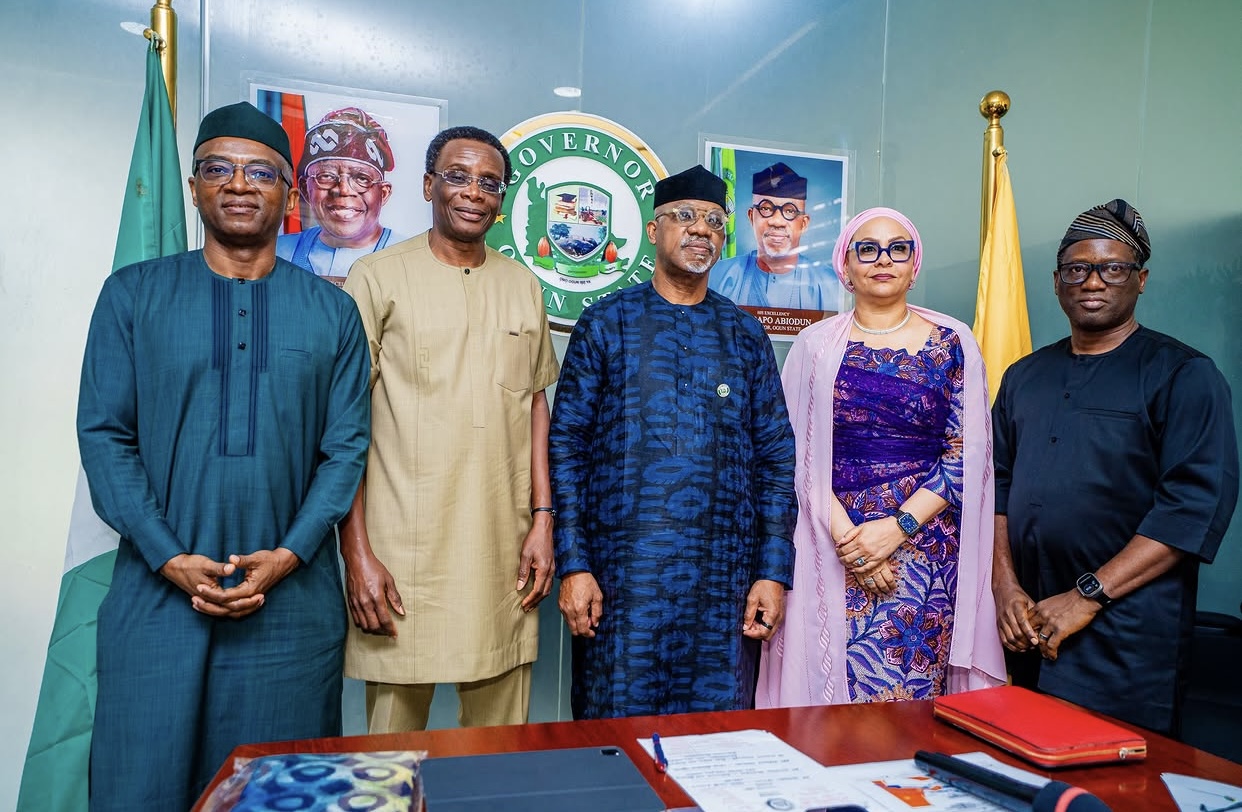
Ogun State Governor Dapo Abiodun announced the development after meeting NNPC executives on September 30. He said the company would pay for the land required for the project, while the state government would provide the necessary support and guarantees to facilitate development.
The revival of Olokola LNG is closely connected to plans to develop a deep-sea port and industrial hub at Ogun Waterside.
Abiodun linked the renewed discussions to memoranda of understanding signed on September 24 with UAE-based DP World for the proposed port. Nigeria’s presidency also identified the LNG project as part of the strategic infrastructure planned to support the port and its surrounding special economic zone.
NNPC Executive Vice President for Gas, Power and New Energy, Lekan Ogunleye, said the project would require approximately 1,728 hectares of land.
The terminal would also need about 2.5 kilometres of Atlantic coastline to accommodate as many as three jetties for loading liquefied natural gas onto export vessels.
If developed, the facility could strengthen Nigeria’s gas export infrastructure while supporting related industrial activities around the proposed port. However, the project remains at the planning and negotiation stage, with several major details yet to be disclosed.
Funding and gas supply remain uncertain
NNPC Chief Financial Officer Adedapo Segun said the company was reviewing the reasons the project failed to progress during its earlier development phase.
Despite the renewed discussions, NNPC has not announced the gas fields that would supply the proposed terminal. The company has also not disclosed the expected production capacity, equity partners, financing structure or implementation timetable.
Nigerian newspaper ThisDay reported on October 3 that NNPC was considering an initial investment of $10 billion in the project. However, the figure has not been accompanied by a publicly disclosed financing plan or a confirmed final investment decision.
The absence of a confirmed gas supply source is particularly significant because Nigeria’s existing LNG operations already face challenges securing sufficient feedstock. Nigeria LNG, which operates the country’s existing LNG export facility on Bonny Island, depends on a steady supply of natural gas to maintain production. NNPC holds a 49% stake in the company.
Nigeria LNG Managing Director Adeleye Falade warned in early August that Nigeria’s share of the global LNG market could decline from about 5% to 2% if the country fails to secure adequate gas supplies and expand processing capacity.
The warning underlines the challenges facing Nigeria as it seeks to increase LNG production and compete with other gas-exporting countries.
Reviving Olokola LNG could provide an additional route for monetising Nigeria’s substantial gas resources. However, the project’s prospects will depend on securing reliable gas supplies, attracting investment partners and establishing a clear development and financing plan.
The Ogun State Government had previously announced efforts to revive the project in July 2021, but those plans did not lead to construction. The latest negotiations represent another attempt to move the long-delayed terminal towards development.