

Oil prices slipped Tuesday, with Brent crude hovering near $100 a barrel, as a Group of Seven plan to release emergency reserves and a pickup in Middle East exports took some pressure off supply.
Brent traded around $100.30, after sliding about 0.6% to near $101.60 on Monday. U.S. benchmark West Texas Intermediate was near $90. Brent is still up about 55% from a year ago.
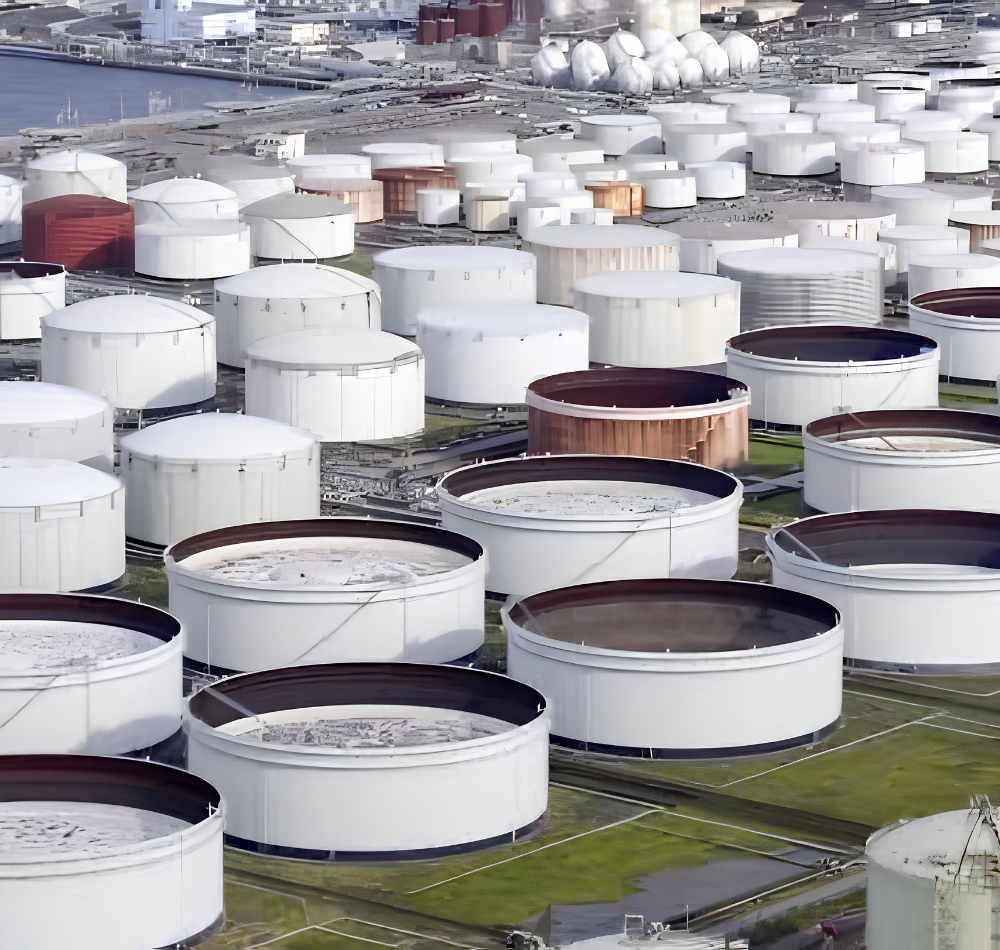
G7 nations agreed Friday to release 100 million barrels of crude and diesel from emergency stockpiles over four months, through the International Energy Agency. They also pledged to avoid new energy export restrictions, after pressure from President Donald Trump. The group described the move as “decisive, coordinated measures” to calm markets and protect households.
Gulf exports help
Traders also pointed to Middle East shipments. Crude exports from the region exceeded prewar levels on four days in the last week of September, according to news reports. One market commentator said Saudi export volumes appear to be moving back toward prewar levels, though the barrels are traveling at higher cost on less efficient routes.
Expectations of tighter U.S. monetary policy added to the downward pressure on prices.
Why oil prices are not falling further
The relief has limits. Houthi attacks on Saudi targets kept traders cautious, and tensions between Washington and Tehran continue. Iran’s top negotiator said over the weekend that the Strait of Hormuz will stay closed until the United States meets Tehran’s demands.
One analyst said that without a diplomatic breakthrough or a further gain in export efficiency, the floor beneath prices looks fairly solid.
In short, the reserve release buys time. It does not reopen the strait.