KEY POINTS
- Brent crude rose above $116 per barrel as tensions in the US-Israel-Iran conflict intensified and supply fears deepened.
- Iran’s effective closure of the Strait of Hormuz disrupted about one-fifth of global oil and LNG supplies, driving a nearly 60% price surge.
- Analysts warn oil could climb toward $120 or higher, with the full economic impact expected to unfold in coming months.
Oil prices jumped sharply on Monday as tensions intensified in the ongoing US-Israel war with Iran. Brent crude, the global benchmark, rose more than 3 percent to trade above $116 per barrel, marking its highest level in nearly two weeks. The latest increase follows a brief spike to $119 on March 19, as markets reacted to mounting geopolitical risks and fears of supply disruptions.
The rally came after Iran warned it was preparing for a potential US ground invasion. The speaker of Iran’s parliament said Tehran was ready to confront American troops and punish their regional allies, adding to market anxiety.
The conflict has widened in recent days, with Iranian-backed Houthi forces launching missiles at Israel for the first time since the war began, while Israel expanded military operations in southern Lebanon.
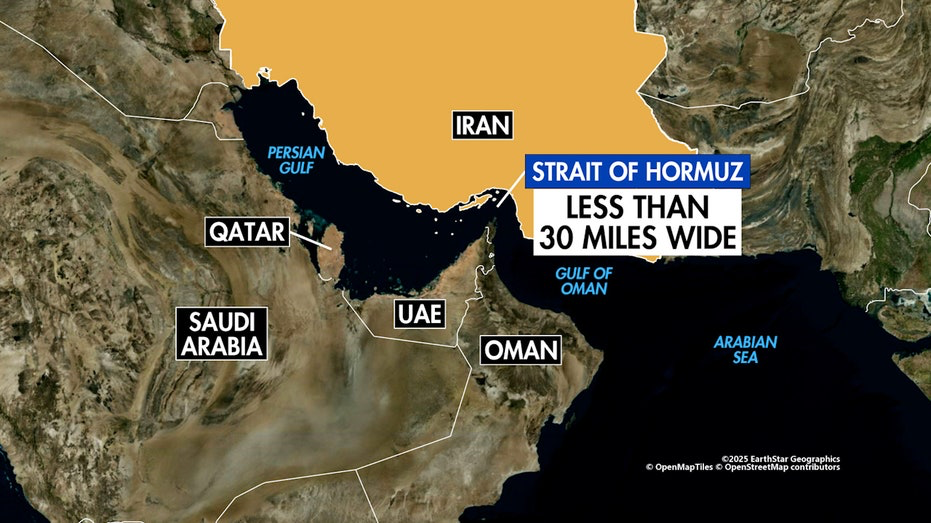
Iran’s effective closure of the Strait of Hormuz in retaliation has severely disrupted global energy flows. The vital shipping lane handles roughly one-fifth of the world’s oil and liquefied natural gas supplies, and the disruption has triggered what analysts describe as the biggest energy crisis in decades.
Oil prices have climbed nearly 60 percent since the start of the war, pushing fuel costs higher worldwide and forcing several countries to introduce emergency energy-saving measures.
Analysts warn prices could hit $120 and beyond
Market analysts say the full impact of the supply shock is only beginning to emerge. Greg Newman, CEO of Onyx Capital Group, said the physical oil market is tightening as shipments take time to adjust globally.
He noted that Europe is only now starting to feel shortages after weeks of disrupted supply cycles, adding that Brent crude is likely to continue rising toward $120 per barrel or higher.
Newman also warned that the scale of outages is unprecedented, with physical premiums reaching record highs and markets still underestimating the severity of the disruption. He added that the economic consequences will become clearer in the coming months.