

KEY POINTS
- Libya’s Sharara oilfield is expected to resume full production within 48 hours after a pipeline fire caused a gradual shutdown.
- Engineers say repairs are nearly complete, with output being restored in phases toward normal capacity.
- The field produces up to 320,000 barrels per day and supplies crude to the Zawiya refinery near Tripoli.
Production at Libya’s Sharara oilfield is expected to return to normal levels within the next 48 hours, according to two field engineers familiar with operations at the site.
The development comes after output was gradually reduced earlier this month following an explosion triggered by a fire in one of the field’s pipelines.
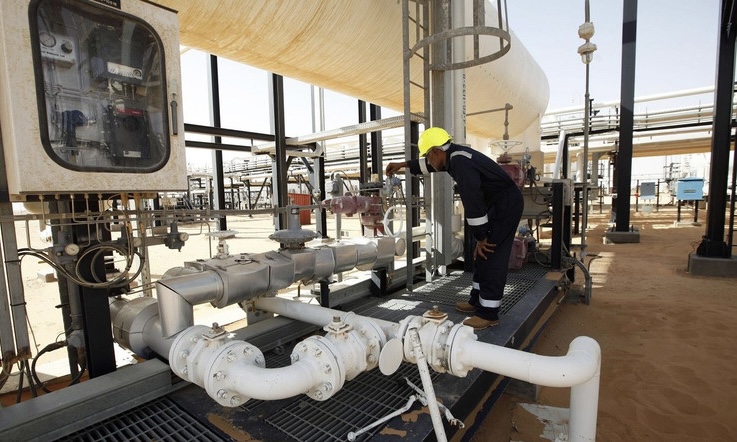
The shutdown affected flows from the Sharara field, one of Libya’s most significant oil production hubs. Engineers said repair work has progressed steadily, allowing operators to begin restoring output in phases. The restart is now underway, with production anticipated to reach full capacity once final technical checks are completed.
Engineers say gradual restart underway
The Sharara oilfield has an estimated production capacity of between 300,000 and 320,000 barrels per day, making it a critical contributor to Libya’s overall crude supply. Any disruption at the field typically has an immediate impact on the country’s export volumes and revenue.
Sharara is also strategically important due to its connection to the Zawiya refinery, which processes about 120,000 barrels per day. The refinery is located roughly 40 kilometers west of the capital, Tripoli, and depends heavily on crude supplied from the field.
The earlier pipeline fire forced operators to gradually scale back production to prevent further damage and ensure safety at the facility. Since then, engineers and technical teams have worked to repair affected infrastructure and restore operational stability.
With repairs nearing completion, the anticipated return to full output is expected to help stabilize Libya’s oil supply and support export flows. The restart also comes at a time when global oil markets are closely monitoring disruptions from key producing regions.