

KEY POINTS
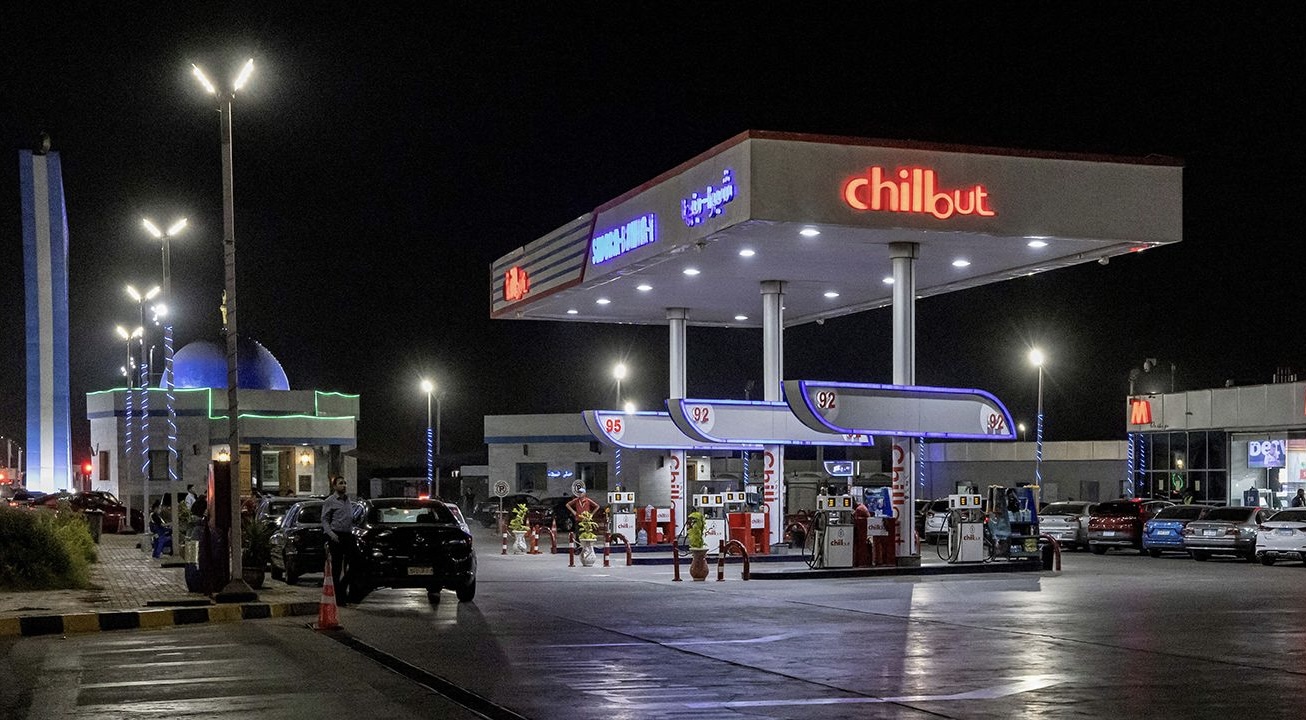
- Egypt ordered businesses in Cairo to close by 9 p.m. and reduced lighting to cut electricity use amid soaring fuel import costs.
- Nightlife-dependent businesses report falling revenue, reduced working hours, and pandemic-like quiet across the city.
- Authorities fear prolonged restrictions could affect tourism, though some residents see benefits in earlier closing times.
Egypt has imposed early closing hours and reduced public lighting across Cairo to conserve electricity, as surging global energy costs strain the country’s finances. Shops, malls, restaurants, and other commercial establishments are now required to close by 9 p.m. for one month, following a directive from Prime Minister Mostafa Madbouly.
The move comes after the U.S.-Israeli war on Iran pushed up fuel import costs, forcing Egypt’s energy bill to more than double. In response, authorities have also raised fuel prices, increased public transport fares, and slowed some government projects to ease fiscal pressure.
Downtown Cairo, known for its vibrant late-night culture, has grown unusually quiet. Streets that once stayed busy into the early hours now empty shortly after evening prayers, while reduced street lighting has further dimmed the capital’s nightlife.
Evening-dependent businesses feel the impact
Businesses that rely on night-time customers say the restrictions are hurting sales and reducing working hours. Cafe owner Sayed Zaama in Maadi said his venue now empties by 9 p.m., resembling the quiet seen during the COVID-19 pandemic. He added that many employees now work alternating shifts due to shorter hours.
Other sectors such as cinemas, gyms, and wedding halls are also reporting losses. Some operators say revenue has dropped by nearly half, even as rent, wages, and utility bills remain unchanged. While shorter hours have lowered electricity costs for some businesses, many say the overall financial strain is significant.
Egypt’s broader economy is already under pressure, with urban inflation above 13% and concerns about rising import costs. Electricity demand continues to grow by about 7% annually, with households accounting for around 38% of consumption. The country also relies heavily on subsidised natural gas for power generation, increasing fiscal pressure as global prices rise.