KEY POINTS
- NMDPRA is seeking World Bank support to mobilise $22 billion for Nigeria and Africa’s gas infrastructure development.
- The second phase of the Decade of Gas initiative will focus on execution, investment inflows, and expanded pipeline networks.
- Nigeria identified three major gas corridors, including the Africa Atlantic, Trans-Sahara, and coastal LNG supply routes.
The Nigerian Midstream and Downstream Petroleum Regulatory Authority, NMDPRA, has called on the World Bank to support efforts to mobilise about $22 billion to bridge Nigeria’s gas infrastructure gap and strengthen gas development across Africa.
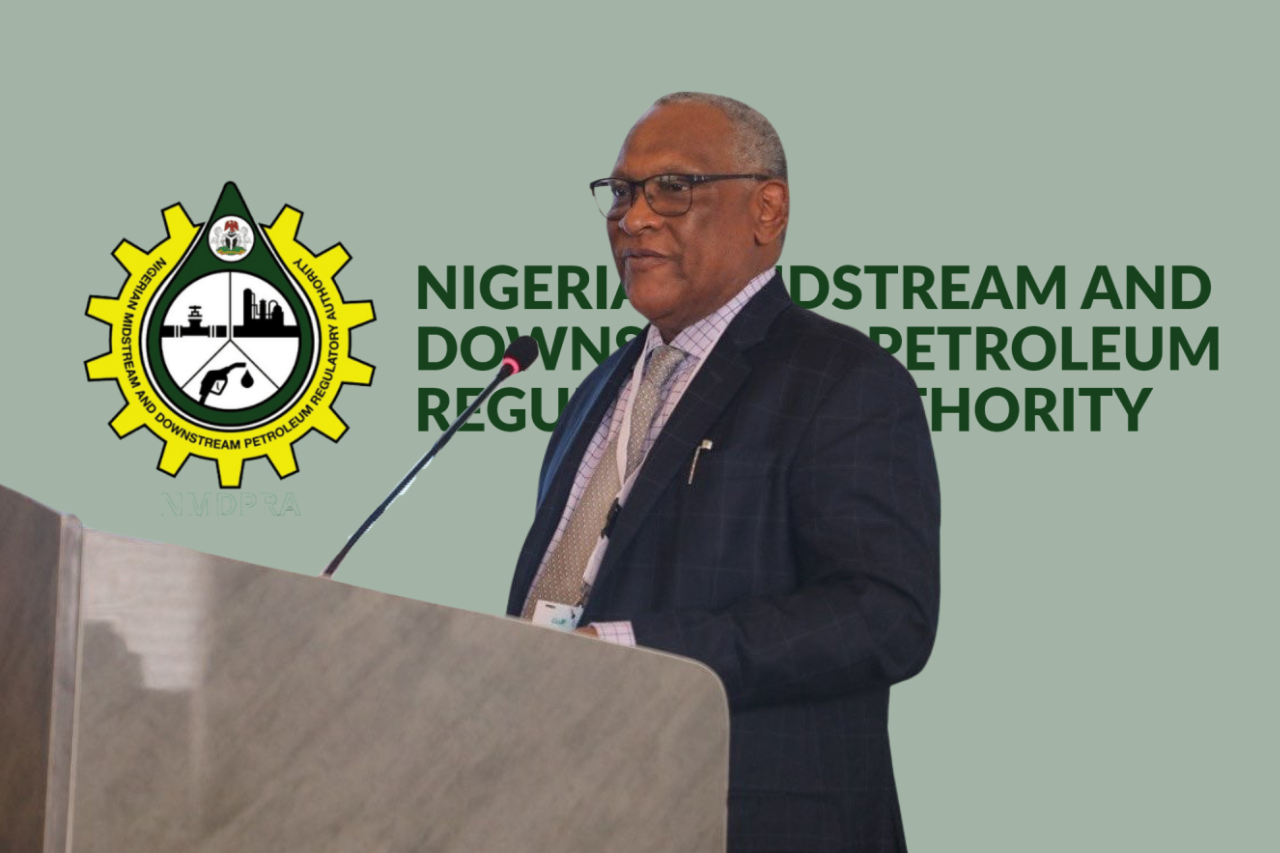
Saidu Mohammed, chief executive officer of the NMDPRA, made the appeal during the “Decade of Gas Ministerial Roundtable on Regional Gas Development,” organised in collaboration with the World Bank. The event focused on strategic areas of cooperation to advance gas development with regional impact.
Mohammed explained that the first phase of Nigeria’s Decade of Gas initiative concentrated on identifying key enablers needed to unlock the country’s gas potential, including boosting supply, stimulating demand, expanding infrastructure, and establishing pricing frameworks to drive gas-powered economic growth.
Second phase to focus on execution and investment
He said the initiative is now entering its execution phase, which will prioritise increased gas production, stronger investment inflows, expansion of pipeline networks, and deployment of new gas processing facilities.
With the domestic framework largely in place, Mohammed noted that the next objective is to extend Nigeria’s gas development agenda to the wider African region.
The NMDPRA chief outlined three key corridors for supplying gas to regional and international markets. These include the Africa Atlantic Gas Pipeline, which would link the northern Atlantic coast of Africa to Europe; the Trans-Sahara Gas Pipeline, extending the Ajaokuta-Kaduna-Kano pipeline across West, Central and North Africa; and coastal liquefied natural gas (LNG) infrastructure along the Gulf of Guinea and other African coastlines.
He stressed that achieving these goals would require harmonised regulatory frameworks, structured cross-border gas trade systems, reliable regional demand data, and sustained funding for large-scale infrastructure.
Mohammed also highlighted the need for firm gas supply agreements and expansion of gas-to-power infrastructure, adding that the NMDPRA will continue supporting investments through favourable regulations, including pricing and tariff policies, while emphasising regional collaboration as key to advancing gas development across Africa.