KEY POINTS
- Dangote’s refinery will produce 750,000 metric tons of propylene annually using Honeywell technology.
- The Lekki complex will also produce 400,000 tons of linear alkylbenzene for detergents yearly.
- Dangote plans to lift refinery capacity from 650,000 to 1.4 million barrels per day by 2028.
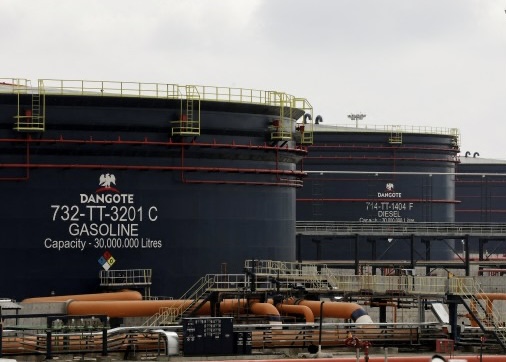
Aliko Dangote has struck a new deal with Honeywell to expand his Lekki refinery into plastics and detergent chemicals, pushing Africa’s largest oil complex further beyond fuel production and deeper into manufacturing.
The agreement covers two major petrochemical lines. Dangote’s refinery will deploy Honeywell UOP’s Oleflex technology to produce an additional 750,000 metric tons of propylene per year, a key input in plastic packaging, consumer goods and industrial materials. A separate Honeywell technology deal will add 400,000 metric tons of linear alkylbenzene annually. LAB, as it is known in the industry, is the core ingredient in detergents and cleaning products. Dangote says the LAB plant will rank among the largest in the world once operational. Financial terms were not disclosed.
Scaling up what is already there
The new agreements build on existing Honeywell partnerships at the Lekki complex. The two companies have worked together on the main refinery, which currently runs at 650,000 barrels per day. Dangote has separately contracted Honeywell to help lift that capacity to 1.4 million barrels per day by 2028, a level that would make it the world’s largest refinery by throughput.
The petrochemical side of the complex is also already moving. A $2 billion petrochemical plant at Lekki, with a nameplate capacity of 830,000 metric tons, began producing polypropylene in March 2025, selling output in 25-kilogram bags to the Nigerian market.
What the deals mean for Nigeria
Nigeria currently imports the bulk of its plastic raw materials and detergent ingredients. Both are high-volume, high-demand categories in a country of more than 220 million people. Producing them locally reduces foreign exchange outflows, lowers costs for Nigerian manufacturers and builds the kind of industrial supply chain the country has talked about for decades.
Dangote’s broader pitch is that the Lekki complex is not a refinery with some chemical assets attached. It is an integrated industrial hub, and the Honeywell deals are the clearest signal yet that the vision is moving from concept to infrastructure. The LAB plant alone, at 400,000 metric tons, would supply enough detergent feedstock to serve markets well beyond Nigeria’s borders.