KEY POINTS
- Ghana, Eni, Vitol and GNPC signed a term sheet to expand OCTP gas production on May 5, 2026.
- Ghana targets 350MMscfd of additional daily gas output from the OCTP project by 2028.
- The OCTP project already supplies roughly 70 percent of Ghana’s total domestic gas consumption.
Ghana just made its clearest statement yet about where it wants its energy sector to go. On May 5, the government signed a term sheet with Eni Ghana Exploration and Production, Vitol Upstream Ghana, and the Ghana National Petroleum Corporation. The deal targets expanded gas output under the Offshore Cape Three Points project. The goal is ambitious: an additional 350 million standard cubic feet per day by 2028.
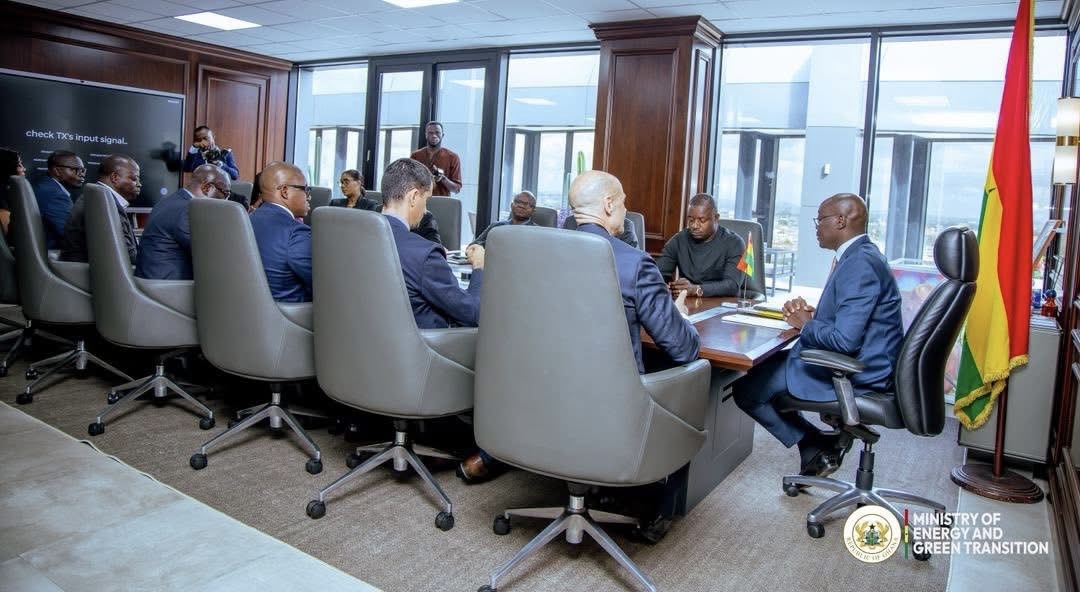
The agreement moves the OCTP Non-Associated Gas Upgrade Project from planning into full commercial execution. It follows a Memorandum of Intent signed in September 2025 during Africa Oil Week in Accra. Energy and Green Transition Minister John Jinapor signed on behalf of the government alongside Finance Minister Cassiel Ato Forson.
What the upgrade involves
The expansion centers on the development of the Gye Nyame field. It also involves installing a booster compressor and a new non-associated gas system on the project’s floating production storage and offloading vessel.
Eni Ghana operates the OCTP project with a 44.4 percent stake. Vitol Upstream Ghana holds 35.6 percent and GNPC holds 20 percent. Eni has been active in Ghana since 2009. The project sits roughly 60 kilometers off Ghana’s western coast. Gas moves via pipeline to onshore terminals near Sanzule and into the Western Corridor Gas Pipeline for distribution to power plants and industrial consumers nationwide.
OCTP has been operational since August 2018. It currently provides approximately 70 percent of Ghana’s total domestic gas supply, mainly for electricity generation. Depending this heavily on a single offshore block makes the expansion a commercial opportunity and an energy security imperative.
What the deal signals to investors
Analysts say the expanded supply could lower electricity generation costs and ease pressure on foreign exchange. It would also improve grid stability as Ghana works to meet rising energy demand.
Jinapor was direct about the message the signing was meant to send. “Today’s signing sends a strong signal that Ghana’s upstream petroleum sector remains open, stable and ready for investment,” he said. He added that the government is committed to a predictable environment for partners. Natural resources, he said, must be developed responsibly.
The term sheet sets commercial principles that will now guide feasibility work and eventual implementation. Ghana is betting that getting this expansion right will do more than add gas volumes. It will reframe Ghana’s story with upstream investors, where capital is moving with increasing selectivity.