

KEY POINTS
- Green Gold Liberia converts organic waste and wastewater pollutants into affordable biomass briquette fuel.
- UNDP-backed trainees learned to build eco stoves that cut fuel use and harmful indoor emissions.
- The project includes financial governance training to grow green energy into viable local enterprises.
A small environmental initiative in Liberia is doing something most projects talk about but rarely pull off: solving three problems with one solution. Green Gold Liberia is turning waste into fuel, contaminated water into a safer resource and local operators into green entrepreneurs, all at once.
Led by environmental innovator Andrew Macgona Sr. and backed by the United Nations Development Programme, the project recently wrapped up a series of intensive hands-on trainings covering biomass briquette production, eco stove fabrication and financial governance. The goal is to build climate-smart communities across Liberia, starting at the community level.
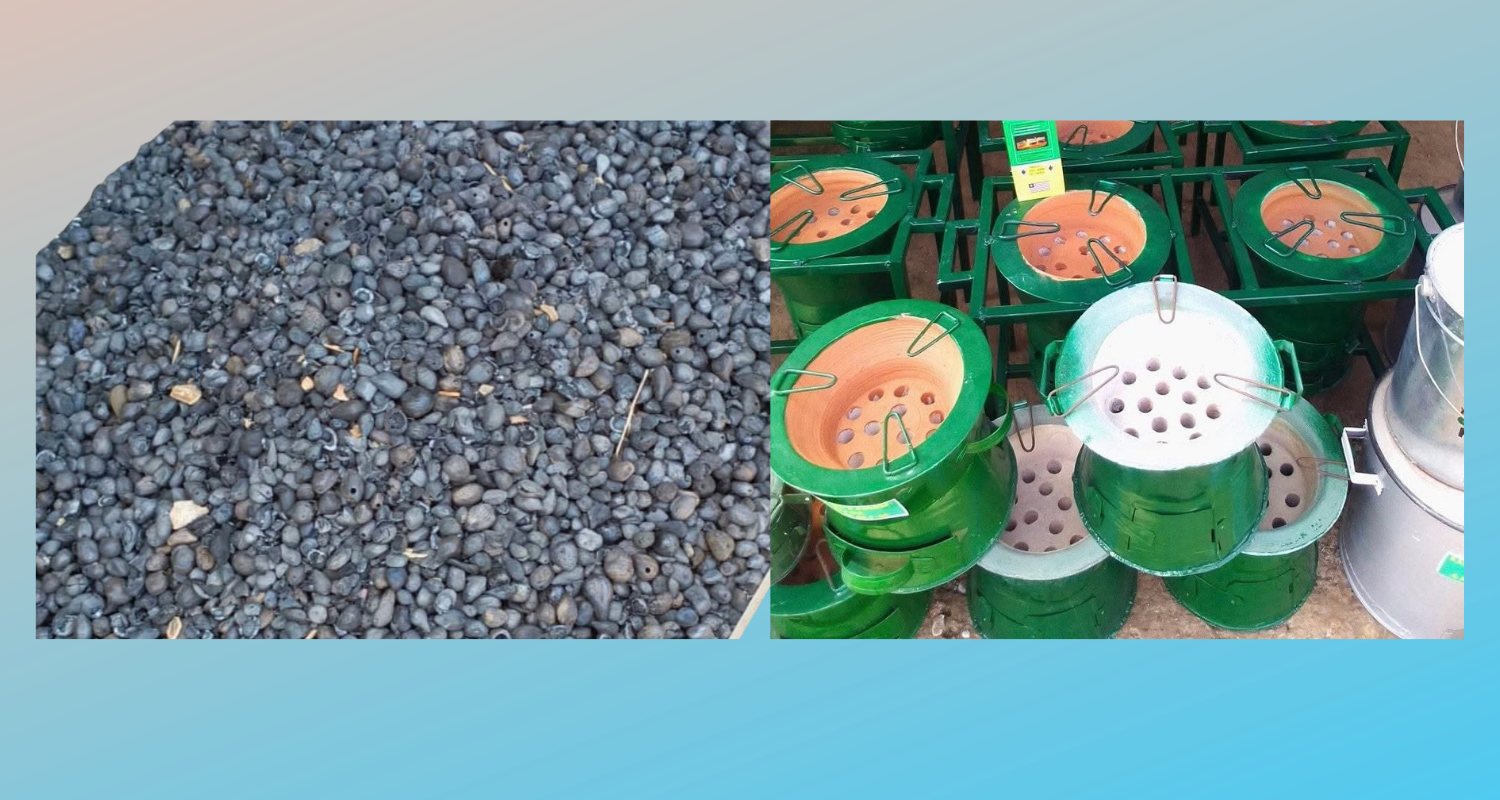
The approach is circular. Organic waste that would otherwise rot in communities gets converted into biomass briquettes, a clean and affordable alternative to charcoal and firewood. Both are major drivers of deforestation and indoor air pollution across the country.
Turning toxic water into fuel
One of the project’s sharpest breakthroughs is a low-cost bioremediation process that uses carbonized biodegradable materials to pull heavy metals out of contaminated water. The material absorbs toxic pollutants, reducing health and environmental risks in affected communities.
What happens to the used remediation material after it has done its job? The team converts it into biomass briquettes. Nothing is discarded. The same material that cleans the water becomes the fuel that cooks the food.
Eco stoves and the business of staying green
Trainees also learned to fabricate eco stoves designed to cut fuel consumption and reduce harmful emissions at the household level. Participants built metal stove bodies and prepared clay liners, locally called “cume,” which were baked in a furnace before being fitted into the stoves. The result is a durable, high-efficiency cooking solution built entirely from local materials and skills.
The project did not stop at technology. Recognizing that a good invention dies without sound management, organizers ran parallel sessions in financial governance, covering budgeting, accountability, reporting and long-term business planning. The aim is to turn community operators into owners of viable green enterprises, not just trainees who attended a workshop.
Green Gold Liberia’s model is a practical answer to a familiar problem: how do you make sustainability stick in communities with limited resources. The answer, it turns out, starts with waste.