KEY POINTS
- Nigeria records highest petrol imports in four months amid output drop
- Dangote refinery maintenance reduces local fuel supply
- Marketers, NNPC import fuel to stabilize domestic market
Nigeria’s petrol importation has risen sharply, reaching its highest level in four months in May, as temporary maintenance at the Dangote Refinery in Lekki reduced local fuel output and forced increased reliance on foreign supplies.
Data from market intelligence firm Argus Media showed that petrol imports into the country averaged about 57,000 barrels per day in May, while exports dropped to 23,000 barrels per day. This shift reversed Nigeria’s earlier net export position recorded in March and April, when domestic production exceeded imports.
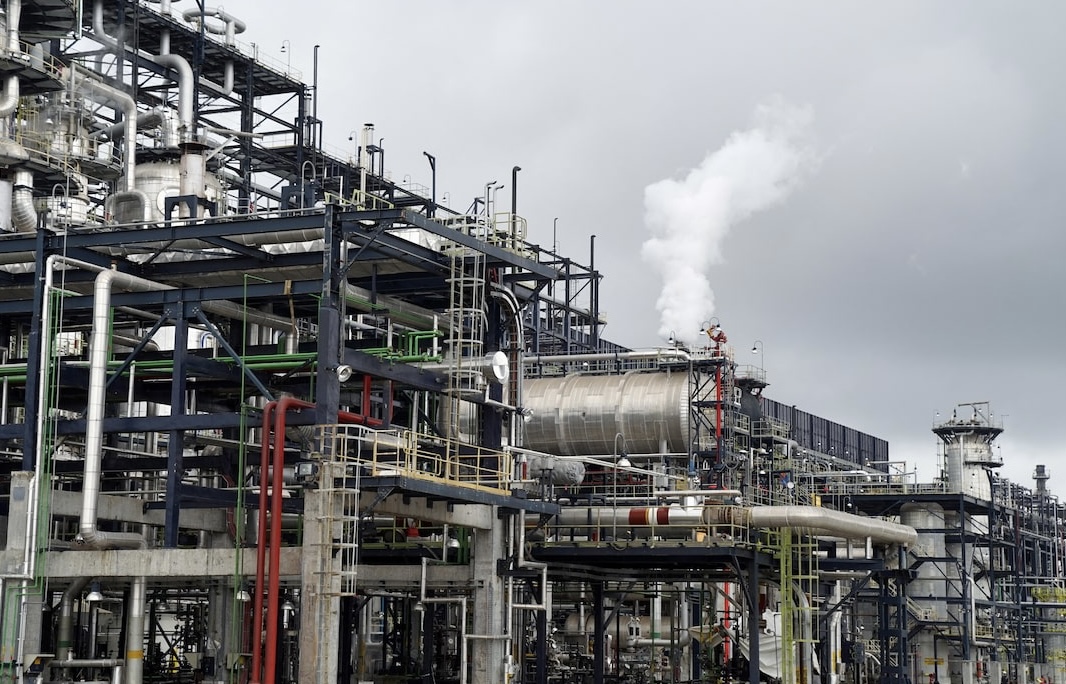
The increase in imports was largely linked to maintenance work at the 700,000 barrels-per-day Dangote Refinery, specifically on its Residual Fluid Catalytic Cracker (RFCC) unit, which plays a key role in gasoline production.
The temporary shutdown or reduced performance of this unit led to a decline in domestic supply, creating a shortfall that had to be met through imports.
During this period, petrol shipments into Nigeria were sourced entirely from Europe, with Norway emerging as the largest supplier, followed by Italy and France.
NNPC and Dangote Both Participate in Imports
Interestingly, data revealed that both the Nigerian National Petroleum Company Limited (NNPC) and the Dangote Refinery were among importers during the period.
NNPC reportedly imported about 11,000 barrels per day, while Dangote accounted for around 27,000 barrels per day, highlighting an unusual situation in which the refinery functioned as both a major producer and importer of petrol.
Industry analysts noted that this reflects short-term supply adjustments rather than a structural reversal of Nigeria’s refining progress.
The surge in imports also followed approvals by the Nigerian Midstream and Downstream Petroleum Regulatory Authority (NMDPRA), which granted significant import allocations for the second quarter of the year.
Several independent marketers, including AA Rano, AYM Shafa, Bono, Matrix, NIPCO, and Pinnacle, received permits to bring in petroleum products to support domestic supply and prevent shortages.
These imports were aimed at stabilising fuel availability across the country during the refinery’s maintenance period. Despite the maintenance activities, operations at the Dangote Refinery continued, with ongoing delivery of feedstock and blending materials to sustain partial production.
Authorities expect output to normalise after the completion of the maintenance work, which is intended to improve efficiency and long-term production capacity at the facility.
The development underscores Nigeria’s continuing transition in its downstream petroleum sector, where domestic refining capacity is still balancing with import dependence during operational disruptions.