KEY POINTS
- Guterres issued a seven-point clean energy blueprint at London Climate Action Week on Tuesday.
- AI data centres could consume enough water for all 1.3 billion sub-Saharan Africans by 2030.
- African nations receive only 2 percent of global clean energy investment despite vast solar resources.
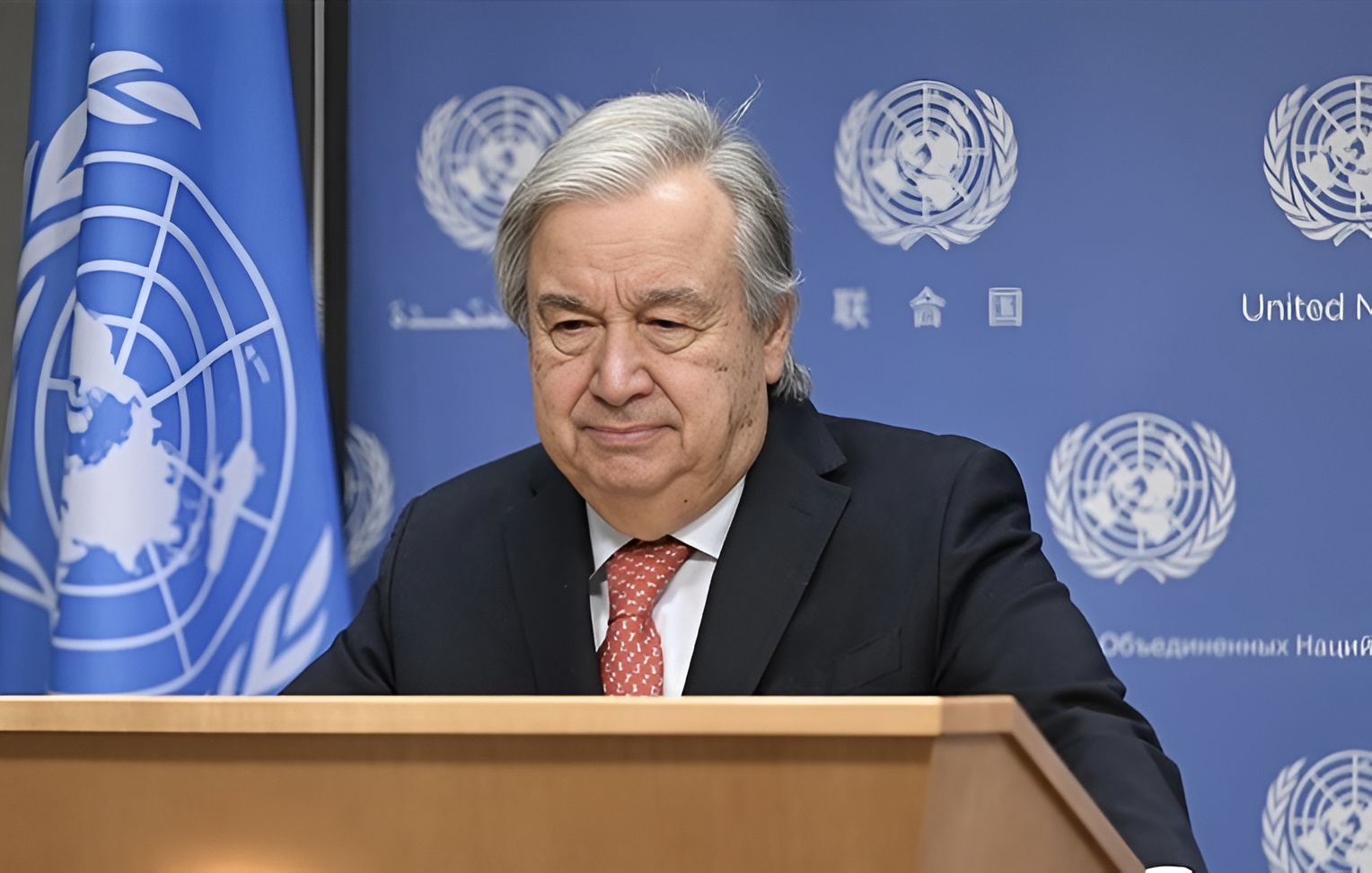
Europe was baking under a deadly heatwave when Antonio Guterres took the stage in London on Tuesday. The timing was not lost on anyone in the room.
The United Nations Secretary-General used his keynote address at London Climate Action Week to issue one of his most direct calls yet for a global break from fossil fuels. He said the Middle East war, the climate crisis and the energy disruption gripping industrialized nations all trace back to the same source.
“These crises may seem separate but they share the same destructive origin: fossil fuels,” he said. “And they demand the same answer: a fast, fair transition to clean energy.”
Guterres described the Middle East conflict’s impact on global energy markets as “the mother of all energy shocks,” drawing comparisons to the oil disruption of the 1970s and the Russian invasion of Ukraine. He said developing countries have absorbed the worst of it, facing cascading debt, food and development shocks at once.
A seven-point plan the world needs to act on
Guterres laid out seven steps he said the world must take. Emissions must peak now and reach net zero by 2050. The G20, which accounts for around 80 percent of global greenhouse gas emissions, must lead. Governments should end public subsidies for new fossil fuel projects and tax the profits of major oil companies, which he said pocketed an extra $6.5 billion in the first quarter of 2026 alone.
He singled out artificial intelligence as a growing climate problem. AI data centres already consume more electricity than most countries. By 2030, they could use enough water to meet the basic needs of all 1.3 billion residents of sub-Saharan Africa for an entire year. He called on every major AI company to disclose its environmental footprint and run its data centres entirely on renewables by 2030.
Africa sits on solar gold but gets almost none of the investment
Guterres pointed to a stark imbalance. African countries receive only 2 percent of global clean energy investment. Yet they hold 60 percent of the world’s best solar resources. He called on multilateral development banks to use their $600 to $800 billion in additional lending capacity aggressively to finance clean infrastructure across developing nations.
He also pointed to progress. Since 2010, the cost of solar energy has fallen nearly 90 percent. Onshore wind costs dropped more than 70 percent. Battery storage fell 95 percent. Clean energy investment now attracts almost twice as much capital as fossil fuels.
“There are no embargoes on sunlight and no blockades on the wind,” Guterres said.
He also defended science and urged governments to protect journalists covering climate and environmental issues. Disinformation, he said, is being spread deliberately to slow climate action and protect entrenched interests.