KEY POINTS
- Brent rose 1.03% to $83.34, while WTI gained 0.67% to $77.81.
- Iran’s proposed Hormuz Strait rules could restrict vessels and impose cargo-based fees.
- Uncertainty over reopening terms is keeping global oil markets volatile.
Global oil prices climbed on Friday as uncertainty over plans to reopen the Hormuz Strait intensified, with concerns growing that any reopening could involve restrictions, fees and conditions that would prevent the immediate return of normal oil and gas shipments.
The latest developments have increased market concerns over the security and reliability of one of the world’s most important energy routes, sending crude prices higher after they had fallen earlier in the week on expectations that a potential agreement could ease tensions.
Brent crude futures rose 85 cents, or 1.03 per cent, to $83.34 a barrel by 0634 GMT, while US West Texas Intermediate futures gained 52 cents, or 0.67 per cent, to $77.81.
The price increase came after both benchmarks gained more than $3 per barrel on Thursday as traders reacted to new developments surrounding the Hormuz Strait and the continuing tensions between Iran and the United States.
The latest market concerns centre on a proposed framework for reopening the Hormuz Strait.
Iran, working with Oman, has reportedly considered restrictions that could prevent vessels deemed hostile from passing through the strategic waterway.
A preliminary bill being reviewed by an Iranian parliamentary committee would reportedly ban US, Israeli and other vessels classified as hostile from using the Hormuz Strait and impose fines on vessels that violate the proposed restrictions.
The proposed penalties could reach as much as 20 per cent of a vessel’s cargo value, according to Iranian media reports cited by Reuters.
The developments have raised doubts over whether the waterway could quickly return to normal commercial operations even if a broader agreement to end the conflict is reached.
Oil market sees conditional reopening
Analysts said the market was reacting not simply to the possibility of a difficult agreement, but to the prospect that any reopening of the Hormuz Strait could be managed through specific conditions.
Lin Ye, vice-president of commodities market – oil at Rystad Energy, said oil prices were responding to Iran’s proposed conditions for transit through the waterway.
The concern is that a reopening subject to restrictions, fees or selective access would not restore the normal flow of oil and liquefied natural gas shipments.
Such an arrangement could leave global energy markets exposed to continuing supply disruptions and uncertainty.
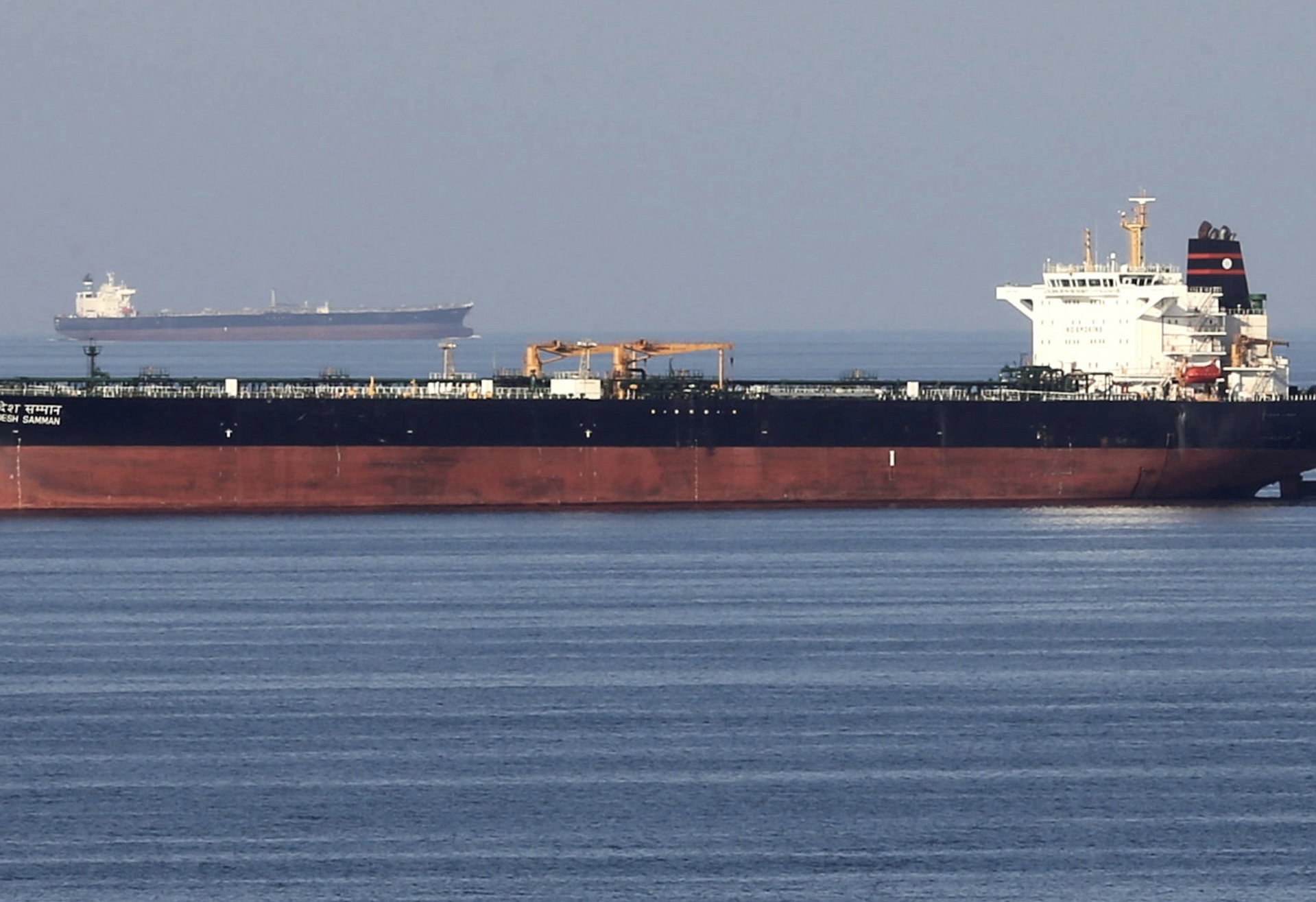
The Hormuz Strait is particularly important because roughly one-fifth of the world’s oil and liquefied natural gas normally passes through the waterway.
Any prolonged disruption therefore has the potential to affect global crude supplies, shipping costs and energy prices. Another major obstacle is disagreement over fees for vessels using the Hormuz Strait.
According to a senior Iranian official, Iran is seeking fees equivalent to between 5 per cent and 7 per cent of the value of cargoes transported through the waterway.
Oman is reportedly discussing fees of around 3 per cent, while the United States wants vessels to pass through without paying any fees.
The differences add another layer of uncertainty to negotiations over the reopening of the strategic shipping route.
Industry sources have also raised concerns about whether the proposed arrangement can work under existing US sanctions and insurance restrictions.
Four industry sources reportedly said the proposed deal could face difficulties because of sanctions and restrictive clauses governing insurance and payments. Oil markets have experienced significant swings this week as traders responded to changing expectations about the conflict and the future of the Hormuz Strait.
Prices initially declined as hopes grew that a possible agreement could bring the conflict closer to an end and allow energy shipments to resume.
However, those expectations weakened as new details emerged about possible restrictions on shipping through the waterway.
Brent crude subsequently moved above $80 per barrel on Thursday after having fallen below that level for the first time since July 13.
Despite the latest gains, both Brent and WTI were still heading for weekly losses of roughly 8 per cent.
The sharp swings illustrate how sensitive oil markets remain to developments surrounding the Hormuz Strait and the broader conflict.
Analysts said the developments during the week suggested that hostilities between Iran and the United States may not yet be fully resolved.
Vandana Hari, founder of oil market analysis provider Vanda Insights, described the market as uncertain about what would ultimately be required for an agreement to be concluded.
The lack of clarity has left traders trying to assess whether the reopening of the Hormuz Strait will lead to a full restoration of normal shipping or a more restricted system.
The distinction is important for global energy markets because even a technically open waterway may not guarantee unrestricted movement of oil and gas tankers.
The uncertainty surrounding the Hormuz Strait is also being compounded by wider tensions in the region.
Yemen’s Houthi movement said it carried out missile and drone attacks on what it described as Saudi deployments in Marib and Hadramout on Thursday.
The developments add another layer of geopolitical risk to an already fragile regional environment.
Any escalation involving major oil-producing countries, shipping routes or energy infrastructure could further influence global crude prices.