

KEY POINTS
- Russian crude made up a record 50.83 percent of India’s oil imports in July, or 2.47 million bpd.
- July volumes rose 62.4 percent year on year but fell 4.8 percent from June’s record.
- A US Senate bill threatens 100 percent tariffs on buyers of Russian oil, clouding India’s imports.
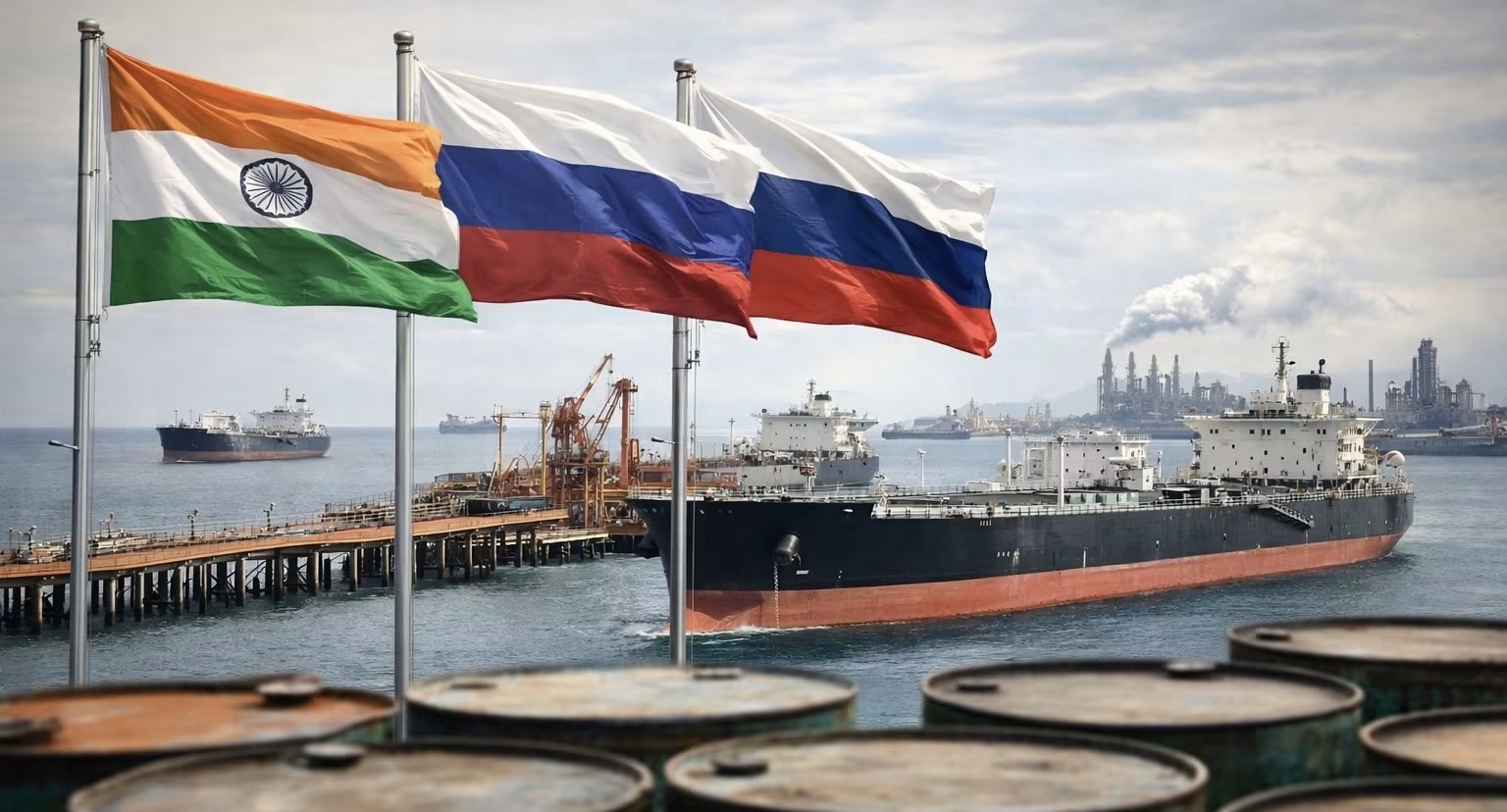
India’s reliance on Russian crude climbed to a record in July, as Russian shipments made up 50.83 percent of imports by the world’s third-biggest oil buyer, or 2.47 million barrels per day, trade-source data showed.
Those July imports jumped 62.4 percent from a year earlier, though they slipped 4.8 percent from June’s record of 2.6 million barrels per day. Moreover, Russia stayed India’s largest supplier through the first four months of the financial year that began in April.
Why the reliance grew
According to the data, Indian refiners had started cutting Russian oil in January to dodge higher US tariffs while New Delhi negotiated a trade deal with Washington. However, Middle East supply disruptions from the Iran war pushed them back toward Russian barrels, so the retreat quickly reversed.
Consequently, Russia’s share of India’s crude imports hit a record 43.25 percent over April to July, averaging more than 2 million barrels per day, up from about 37 percent a year earlier. That shift came largely at the expense of Middle Eastern suppliers, whose share fell to about 30 percent from 43 percent, while Latin American oil rose from 3.5 percent to 12.7 percent on more Brazilian and Venezuelan cargoes.
Tariff threat clouds the outlook
Still, the buying now faces fresh uncertainty. This month, the US Senate passed a bill to slap 100 percent tariffs on buyers of Russian oil, tightening pressure on Moscow over its 2022 invasion of Ukraine, though the House of Representatives has yet to approve it.
Because India imports more than 90 percent of its crude, it stays exposed to any shock in global oil trade. Meanwhile, the United Arab Emirates overtook Iraq as India’s second-largest supplier after it left OPEC in April and offered large volumes through spot tenders. A year ago, the UAE ranked only fourth, which shows how quickly India’s supply map is shifting.