

KEY POINTS
- Gambian utility NAWEC returned to profit after cutting costs about 42 percent using Guinean hydropower.
- Guinea-Bissau’s EAGB moved from a roughly $1 million monthly deficit to a positive balance.
- A regional power market run by the West African Power Pool let utilities trade cheaper electricity across borders.
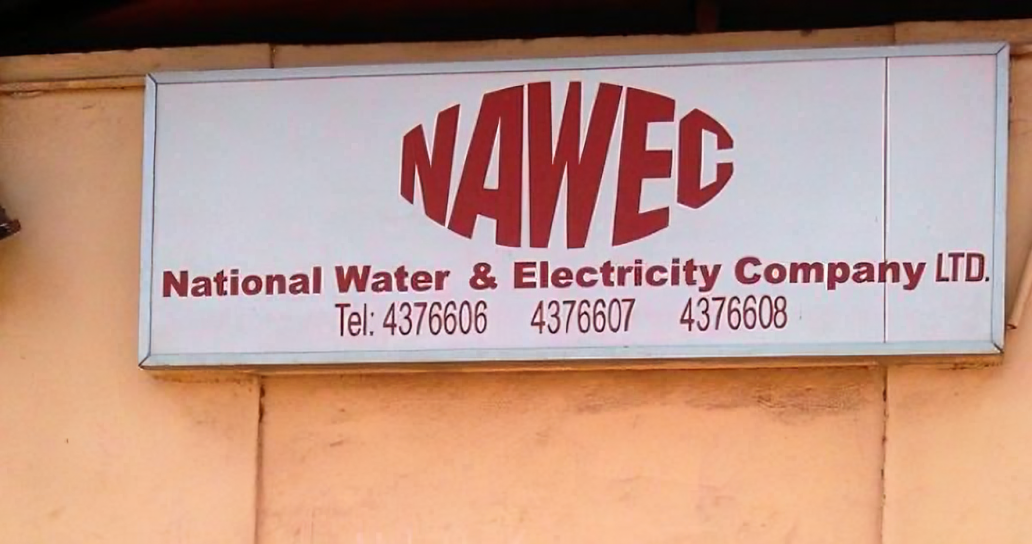
The Gambia’s national utility NAWEC has returned to profit after cutting costs by about 42 percent, by drawing Guinean hydropower through the regional transmission loop instead of burning imported fuel.
Over the same period, Guinea-Bissau’s utility EAGB swung from a monthly deficit of roughly $1 million to a positive balance, according to a World Bank review of its West Africa power integration programme published in May.
Years of grid-building pay off
According to the World Bank, both turnarounds rest on infrastructure that took years to complete. The Gambia River Basin interconnection runs 1,677 kilometres of 225kV line with 800 MW of transfer capacity, linking Guinea, Guinea-Bissau, Senegal and The Gambia at a cost of about 880 million euros, co-financed by the African Development Bank and others. It carries fifteen transformer stations and two dispatch centres, at Linsan in Guinea and Tambacounda in Senegal.
Moreover, the wider network is now continuous. A 1,303-kilometre line joins Côte d’Ivoire, Liberia, Sierra Leone and Guinea, while a 228-kilometre link ties Kayes in Mali to Tambacounda. Consequently, all fourteen mainland West African countries have shared a single grid since late 2023, and more than three million people across six countries gained power between 2019 and 2025.
A market above the wires
Still, the real shift this year came from trade, not steel. The West African Power Pool and the regional regulator now run the linked grids in synchronous operation and have expanded cross-border trade, turning physical links into a market where countries buy and sell electricity.
Because that market lets utilities tap the cheapest supply, NAWEC could swap costly fuel for Guinean hydropower. Furthermore, a roster of lenders, including the African Development Bank, the European Investment Bank and the World Bank, financed the build-out, and engineers used shield-wire technology to electrify communities the lines pass. In addition, more generation is coming, as Senegal’s planned 128 MW Sambangalou hydro scheme should feed 402 gigawatt-hours a year into the same loop.