KEY POINTS
- Tanzania has commissioned the 2,115MW Julius Nyerere Hydropower Project at a cost of about $2.84 billion.
- The plant has lifted national generation capacity to 4,646MW, creating a surplus of about 2,375MW.
- Tanzania plans to explore electricity exports to countries including Kenya and Zambia while using the extra power to support industrial growth.
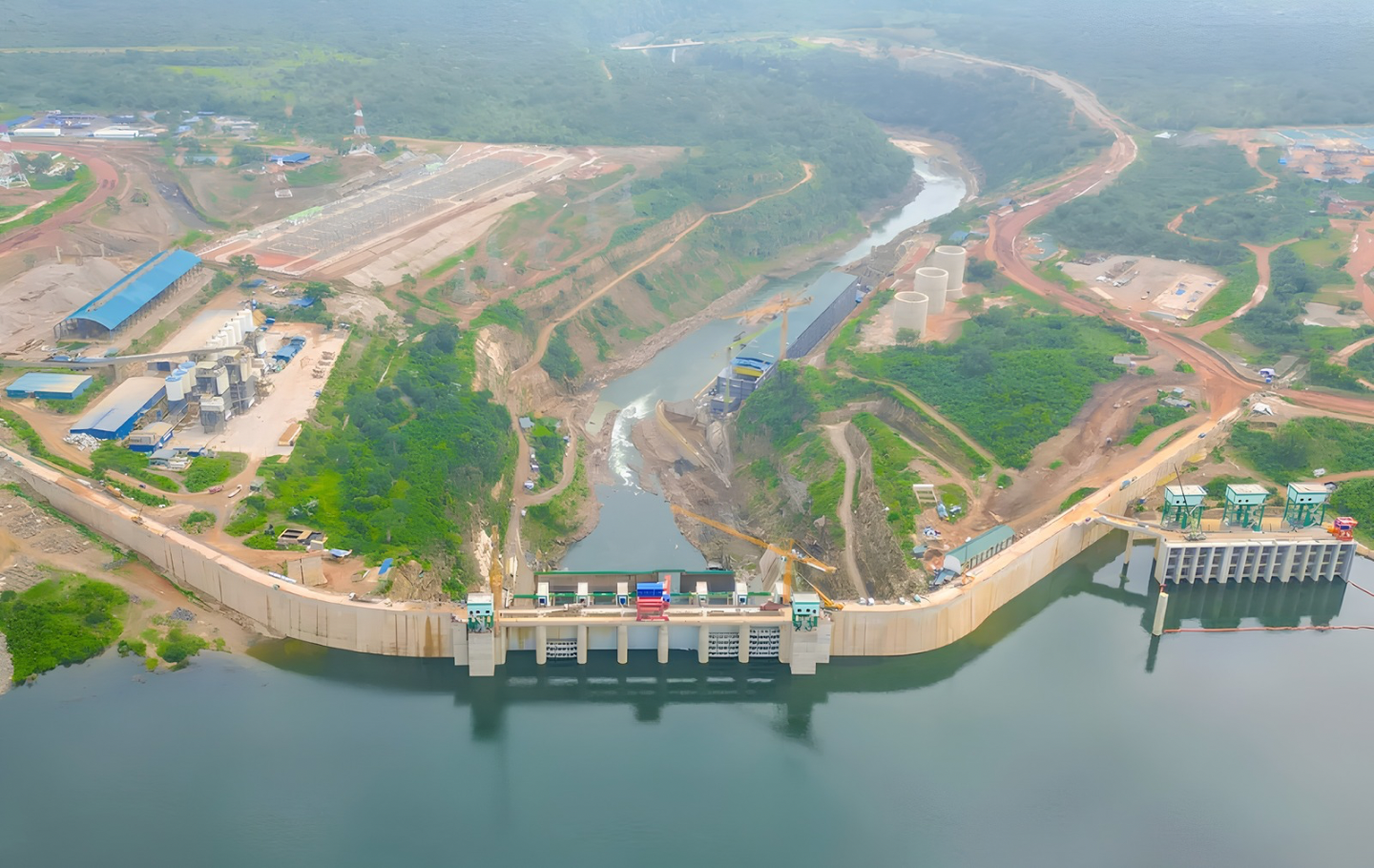
Tanzania has officially commissioned its largest electricity-generation project, a 2,115-megawatt hydropower plant on the Rufiji River, in a major development expected to transform the country’s power sector, support industrial expansion and create opportunities for electricity exports across East Africa.
President Samia Suluhu Hassan inaugurated the Julius Nyerere Hydropower Project (JNHPP) on Saturday, marking the completion of one of Tanzania’s most ambitious infrastructure projects.
Built at a cost of about 7.45 trillion Tanzanian shillings ($2.84 billion), the facility is now the largest power plant in Tanzania and has more than doubled the country’s electricity-generation capacity.
The project was constructed along the Rufiji River and is designed to provide a major increase in reliable electricity supply to households, businesses and industries across the country.
Power Capacity More Than Doubles
Before the plant came online, Tanzania faced significant electricity shortages that contributed to frequent power cuts and disrupted economic activity.
The new facility has significantly changed that situation. Tanzania’s total installed electricity-generation capacity has now risen to 4,646 megawatts, compared with peak national demand of about 2,271 megawatts.
According to Energy Minister Deogratius Ndejembi, this leaves the country with an estimated surplus of 2,375 megawatts.
The government believes the additional capacity will not only provide a more reliable electricity supply domestically but also give Tanzania the ability to sell excess power to neighbouring countries.
Officials say discussions are already underway with several neighbouring countries over possible electricity exports.
Kenya and Zambia are among the countries identified as potential buyers of Tanzania’s surplus electricity.
The planned exports could strengthen Tanzania’s position in the regional energy market while generating additional government revenue and deepening economic ties with other East African countries.
The availability of cheaper and more reliable electricity could also encourage investment in power-intensive industries, manufacturing and other businesses that have previously been constrained by inadequate electricity supply.