KEY POINTS
- AirAsia and Cebu Pacific posted net losses and Scoot’s operating loss nearly doubled as fuel costs soared.
- Weak currencies deepened the squeeze, with Cebu Pacific’s fuel bill more than doubling and the peso down 8 percent.
- AirAsia will cut third-quarter capacity 20-25 percent but expects to rebuild to pre-war levels by the fourth quarter.
Southeast Asia’s budget airlines hope the worst of the Middle East fuel shock has passed, yet they face a tough second half as thin margins and stretched household budgets threaten demand.
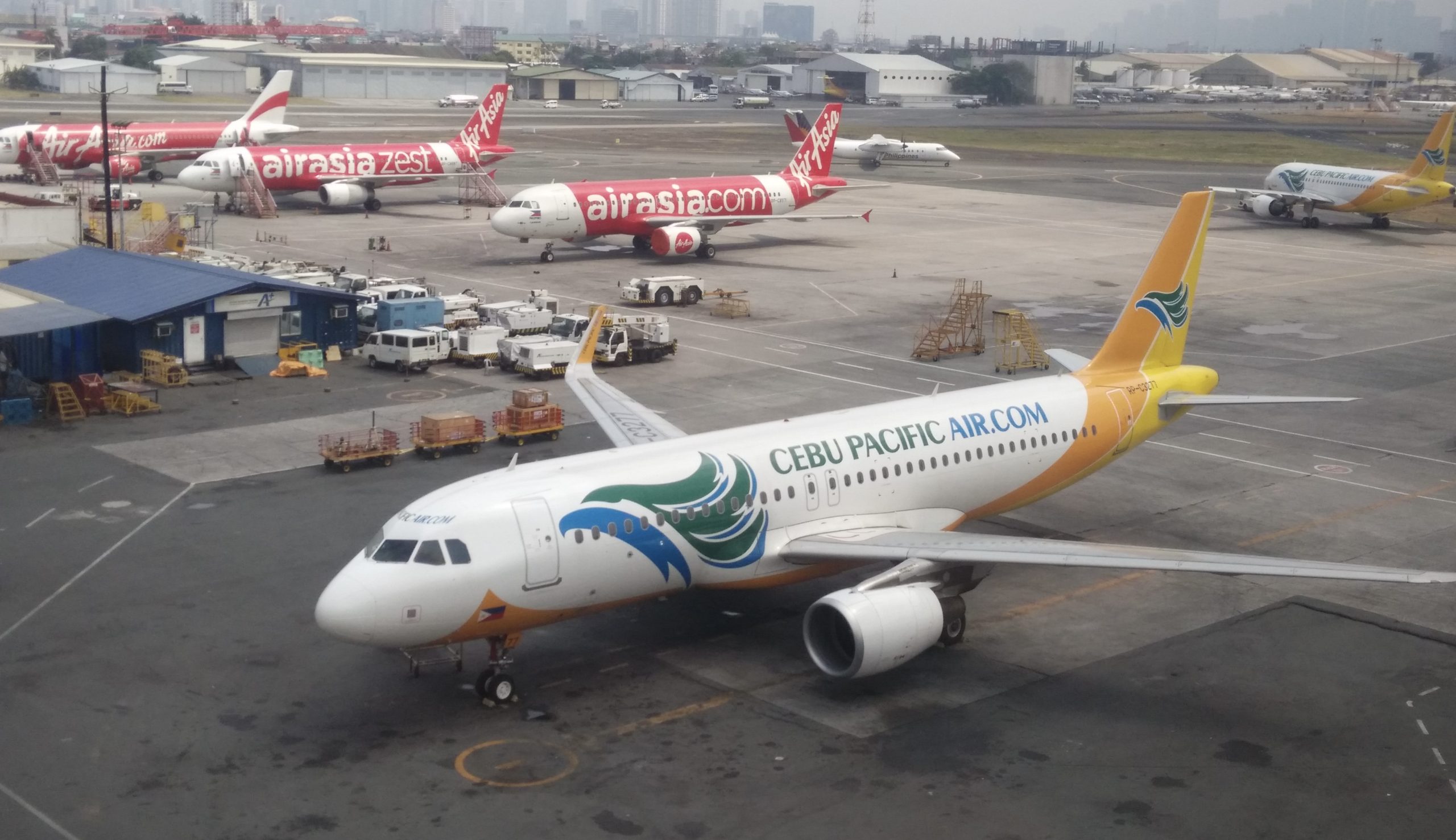
Recent results from Malaysia’s AirAsia, Singapore Airlines’ budget arm Scoot and the Philippines’ Cebu Pacific showed that higher fares failed to recover soaring fuel costs. AirAsia and Cebu Pacific posted net losses, while Scoot’s operating loss nearly doubled.
Fuel and weak currencies bite
According to executives and analysts, the results exposed a squeeze at the heart of the low-cost model, since fuel takes a bigger share of costs than at full-service rivals, yet price-sensitive travellers leave little room to raise fares. Moreover, weaker currencies deepened the pain, as the ringgit, baht, rupiah and peso all slid against the dollar that prices fuel and leases.
Consequently, Cebu Pacific called the second quarter its hardest since the pandemic, with fuel costs more than doubling and an 8 percent drop in the peso magnifying the blow. Still, full-service carriers held up better, because premium demand and loyalty programmes shielded them in ways budget airlines could not match.
Betting on a fourth-quarter rebound
AirAsia is bracing for a weak third quarter, the region’s softest travel season. Therefore, it plans to cut seat capacity by 20 to 25 percent, return 25 older jets to lessors this year and suspend its Sydney-Kuala Lumpur route from October. Furthermore, chief executive Bo Lingam said the airline took a deliberate, tactical stance after jet fuel averaged $183 a barrel, and it expects to rebuild capacity to pre-war levels by the fourth quarter.
However, Scoot kept adding flights as demand held, even as its unit costs jumped 21.7 percent and pushed its break-even load factor to 100 percent. In addition, analysts warned that cheaper fuel could spur more capacity and fiercer fare wars, and independent expert Brendan Sobie called the near-term outlook bleak.