KEY POINTS
- CardinalStone targets N77.7tn post-IPO valuation.
- Dangote refinery targets 1.4m barrels per day by 2028.
- Crude supply, FX and expansion delays remain key risks.
CardinalStone Research has projected that Dangote Petroleum Refinery and Petrochemicals could achieve a market capitalisation of N77.7 trillion if its planned public listing performs in line with the investment firm’s expectations.
The research firm, in its September 2026 initiation of coverage on the refinery, set a 12-month target price of N688.09 per share, representing a potential 39.6 percent return from its reference price of N525.
The projected return consists of an estimated 31.1 percent capital appreciation and an 8.5 percent dividend yield. CardinalStone arrived at its valuation using discounted cash flow and relative valuation approaches.
The valuation comes as Dangote Industries Limited prepares to take the refinery to the public market through an initial public offering.
Dangote Industries President and Chief Executive, Aliko Dangote, said the proposed IPO would give Nigerians an opportunity to become shareholders in one of the country’s most strategically important industrial assets.
According to Dangote, the planned listing goes beyond raising capital. He said it would allow Nigerians to participate directly in the economic value generated by a refinery whose products are used across transportation, agriculture, manufacturing and other sectors.
He argued that Nigerians have traditionally been consumers of refined petroleum products, but the IPO could give them an opportunity to become owners of part of the infrastructure that supplies those products.
The move would also represent a broader shift toward public ownership of large productive assets, particularly infrastructure that has historically been controlled by a small number of investors and institutions.
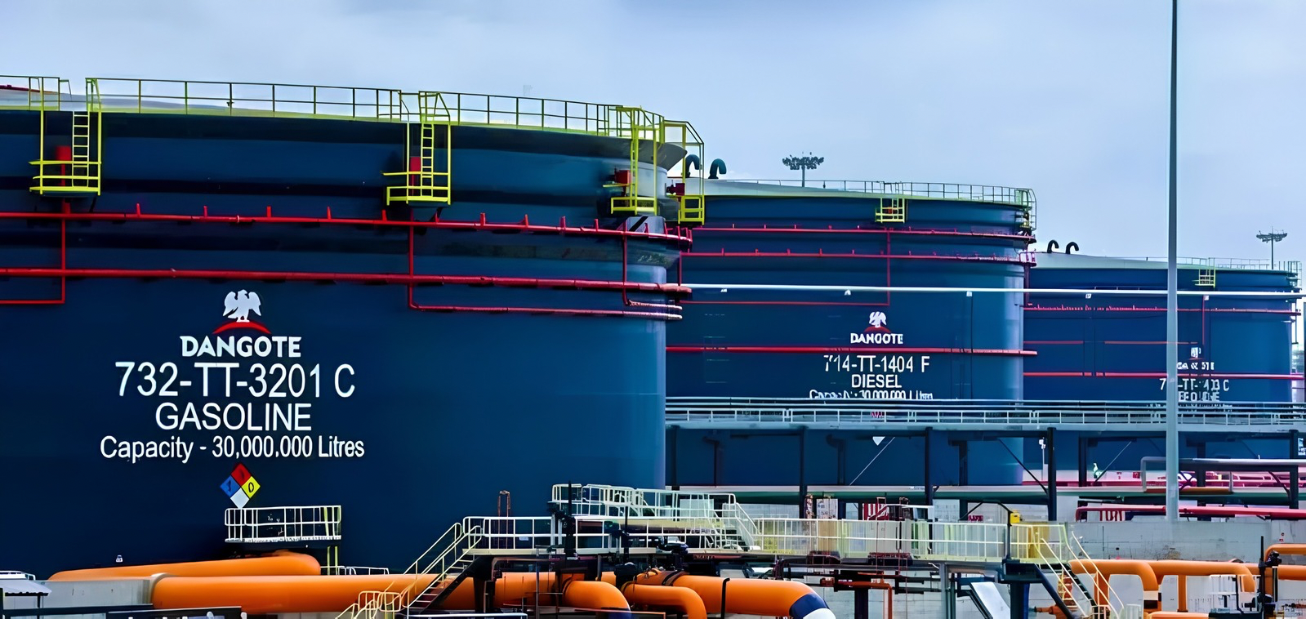
CardinalStone said the refinery’s investment case is supported by its large scale, complex configuration, flexible crude sourcing arrangements and access to both Nigeria and the wider African market.
The refinery has a Nelson Complexity Index of 11.5, a measure that indicates its ability to process different crude types and convert them into higher-value petroleum products.
Its configuration allows it to achieve refined product yields of more than 90 percent per barrel, while also producing higher-value products that meet Euro V specifications.
CardinalStone said the refinery’s high complexity gives it the flexibility to produce a broad range of petroleum products and capture greater value from each barrel of crude processed.
The research firm also pointed to Africa’s continuing shortage of refining capacity. Many African countries remain dependent on imported refined petroleum products because local refining capacity has not kept pace with demand.