

KEY POINTS
- ExxonMobil has signed an agreement with Venezuela’s state-owned PDVSA to assess potential oil production opportunities.
- The company says any investment will depend on stronger legal protections, stable policies and competitive returns.
- The proposed return comes as the Trump administration seeks to attract about $100 billion in investment to rebuild Venezuela’s oil industry.
American oil major ExxonMobil has signed a memorandum of understanding (MoU) with Venezuela’s state-owned oil company, Petróleos de Venezuela (PDVSA), to assess potential investment opportunities in the country’s upstream oil sector.
The agreement marks a possible return to Venezuela nearly 20 years after the company withdrew following the expropriation of its assets under former President Hugo Chávez.
According to Reuters, ExxonMobil described the MoU as a meaningful first step towards evaluating opportunities in the country.
However, the company stressed that any decision to commit capital would depend on the establishment of stable government policies, clear regulations, strong investment protections and competitive financial returns.
The agreement does not represent a final investment commitment but provides a basis for both companies to examine potential upstream opportunities.
Company left Venezuela after asset nationalisation
ExxonMobil first entered Venezuela in the 1940s and built a significant presence in the country’s oil industry.
Before its departure, the company held a 41.67% stake in the Cerro Negro heavy crude project, now known as Petromonagas, as well as a 50% interest in the La Ceiba project in the southern Maracaibo basin.
The company withdrew after rejecting demands by the Venezuelan government for PDVSA to assume majority control of its projects during the nationalisation drive led by Chávez.
The dispute resulted in the expropriation of ExxonMobil’s assets and contributed to a prolonged breakdown in its relationship with the Venezuelan government.
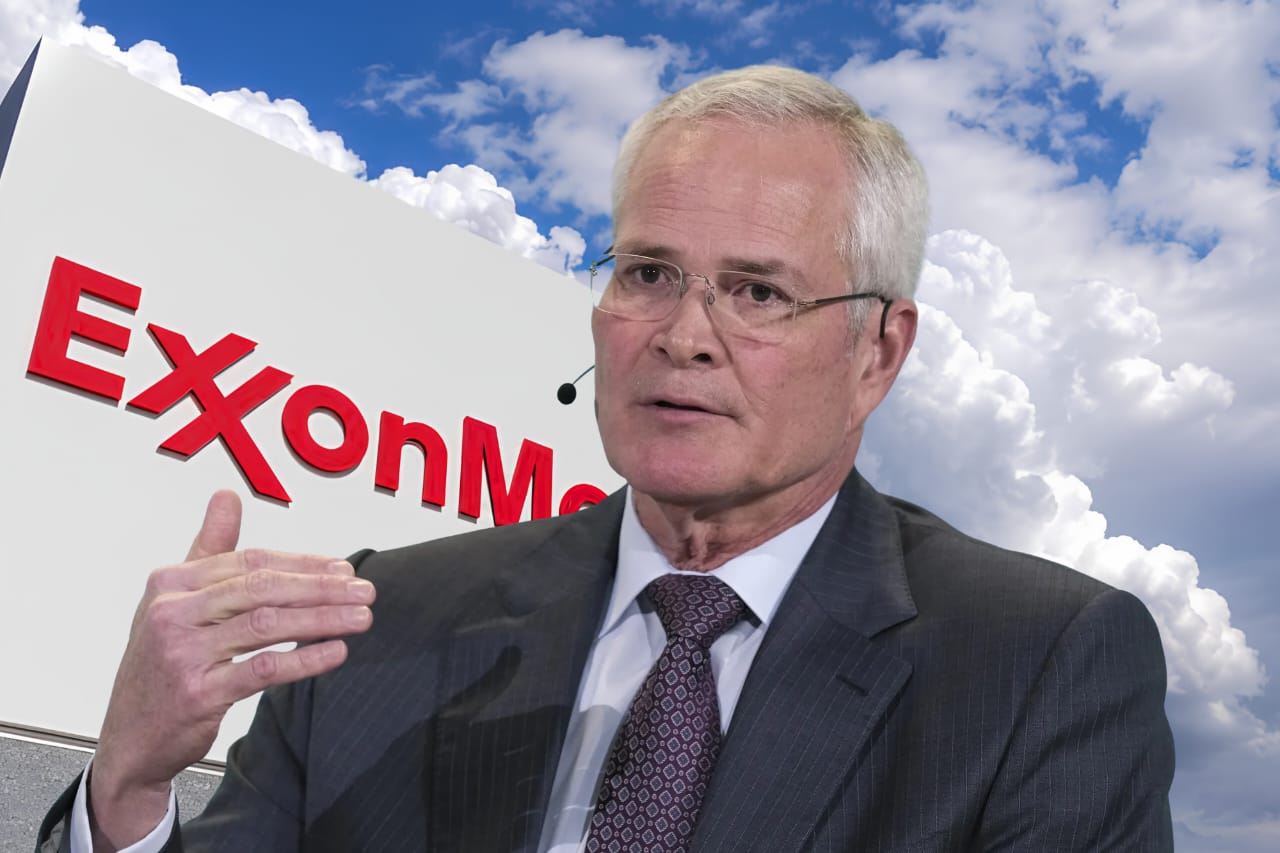
In January 2026, ExxonMobil chief executive Darren Woods described Venezuela as “uninvestable” under its existing legal and commercial framework.
He cited the company’s experience with asset seizures and argued that significant changes to the country’s hydrocarbon laws and stronger protections for investors would be necessary before the company could consider returning.
Venezuela introduces reforms to attract oil investment
The latest agreement comes as Venezuela seeks to attract international investment into its oil and gas industry through changes to its regulatory framework.
In October 2026, interim President Delcy Rodríguez disclosed at an energy conference that the government had signed 61 agreements under a revised hydrocarbon regulatory framework.
She also said authorities were negotiating another 44 agreements aimed at bringing additional investment into the sector.
The reforms are part of efforts to revive an industry that has faced years of underinvestment, operational difficulties and declining production capacity.
For ExxonMobil, the revised framework could create an opportunity to reconsider its position in the country. However, the company’s insistence on stronger investment protections suggests that regulatory changes alone may not be sufficient to secure its return.
Trump administration seeks $100bn investment
The MoU also comes amid efforts by US President Donald Trump to encourage American energy companies to help rebuild Venezuela’s petroleum industry.
The administration is seeking to mobilise an estimated $100 billion in investment to restore the country’s oil production and infrastructure.
Several energy companies have already shown interest in opportunities linked to Venezuela.
In September 2026, Halliburton, one of the leading US oilfield services companies, signed memoranda of understanding with Brazil’s Eneva and Venezuela’s WESCA to support potential energy development opportunities in the country.
Chevron is also pursuing plans to expand its oil and gas production in Venezuela.
The company’s proposed expansion includes the Ayacucho 8 block, located south of its Petropiar project in Venezuela’s heavy-oil belt.
Investment prospects remain dependent on legal certainty
ExxonMobil’s latest agreement signals a possible shift in its approach to Venezuela after nearly two decades outside the country’s oil industry.
However, the company has made clear that it will require more than access to oil reserves before committing substantial resources.
Stable regulations, protection against asset expropriation, predictable commercial arrangements and the ability to generate competitive returns remain central to its investment considerations.
The outcome of the discussions with PDVSA could therefore provide an indication of whether Venezuela’s revised oil sector framework can convince major international producers to return.
For the Venezuelan government, attracting companies such as ExxonMobil could bring much-needed capital, technology and technical expertise to support the recovery of its petroleum industry.