KEY POINTS
- Dangote Group has ordered over 1,000 CNG trucks from BAIC FOTON to power cement and industrial logistics.
- The fleet shift aims to cut fuel costs and reduce carbon emissions across operations.
- Analysts say the deal could accelerate CNG adoption in Nigeria’s heavy duty transport sector.
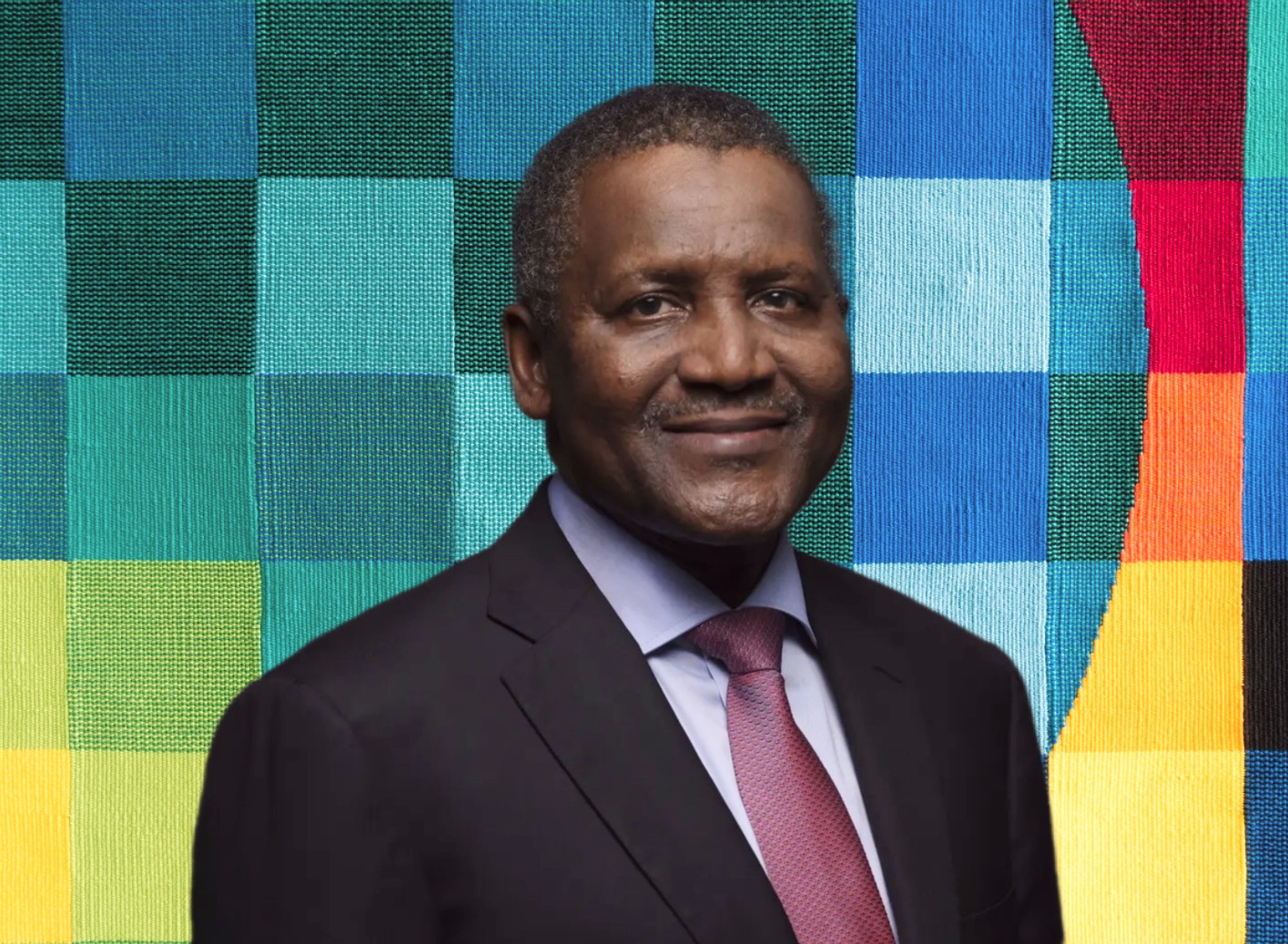
Africa’s richest businessman, Aliko Dangote, has signed off on a fleet deal that could reshape heavy duty transport across Nigeria.
The president of the Dangote Group has ordered more than 1,000 compressed natural gas trucks from Chinese auto manufacturer BAIC FOTON, in what industry players describe as one of the largest alternative fuel vehicle acquisitions in the country.
The trucks will power logistics operations for Dangote Cement and support the conglomerate’s broader industrial activities across sub Saharan Africa.
The agreement was concluded after high level talks in Beijing between Dangote and senior executives of BAIC FOTON. The meeting was facilitated by Kewalram Mobility, a long standing automotive partner to the group.
A Strategic Bet on CNG
Compressed natural gas has gained fresh momentum in Nigeria as businesses search for cheaper and cleaner fuel alternatives amid volatile diesel prices. The Dangote fleet will include CNG powered tractors and semi trailers designed for long distance cement haulage.
Executives at BAIC FOTON, including Chairman Chang Rui and International President Fu Jun, used the meeting to highlight the company’s advances in new energy commercial vehicle technology.
They also reaffirmed plans to deepen their footprint in Africa, where infrastructure and industrial growth continue to drive demand for heavy duty transport.
Dangote, in turn, praised the company’s engineering capabilities and described the partnership as aligned with Africa’s sustainability goals and energy transition efforts.
The shift to CNG is expected to significantly reduce fuel expenses across Dangote’s transport network. CNG burns cleaner than diesel and typically emits fewer greenhouse gases and pollutants, a key factor as manufacturers face rising environmental scrutiny.
Nigeria has been ramping up CNG adoption following federal government efforts to promote gas as a transition fuel. Investment in refueling infrastructure is gradually expanding, though supply networks remain uneven outside major urban corridors.