KEY POINTS
- NMDPRA says Dangote refinery supplied nearly 80% of Nigeria’s petrol demand in April 2026 as fuel imports dropped sharply.
- The refinery operated at near full capacity, producing over 53 million litres of petrol daily while state-owned refineries remained inactive.
- Petrol imports fell by 37%, while local crude supply to domestic refineries increased significantly amid rising private refining activity.
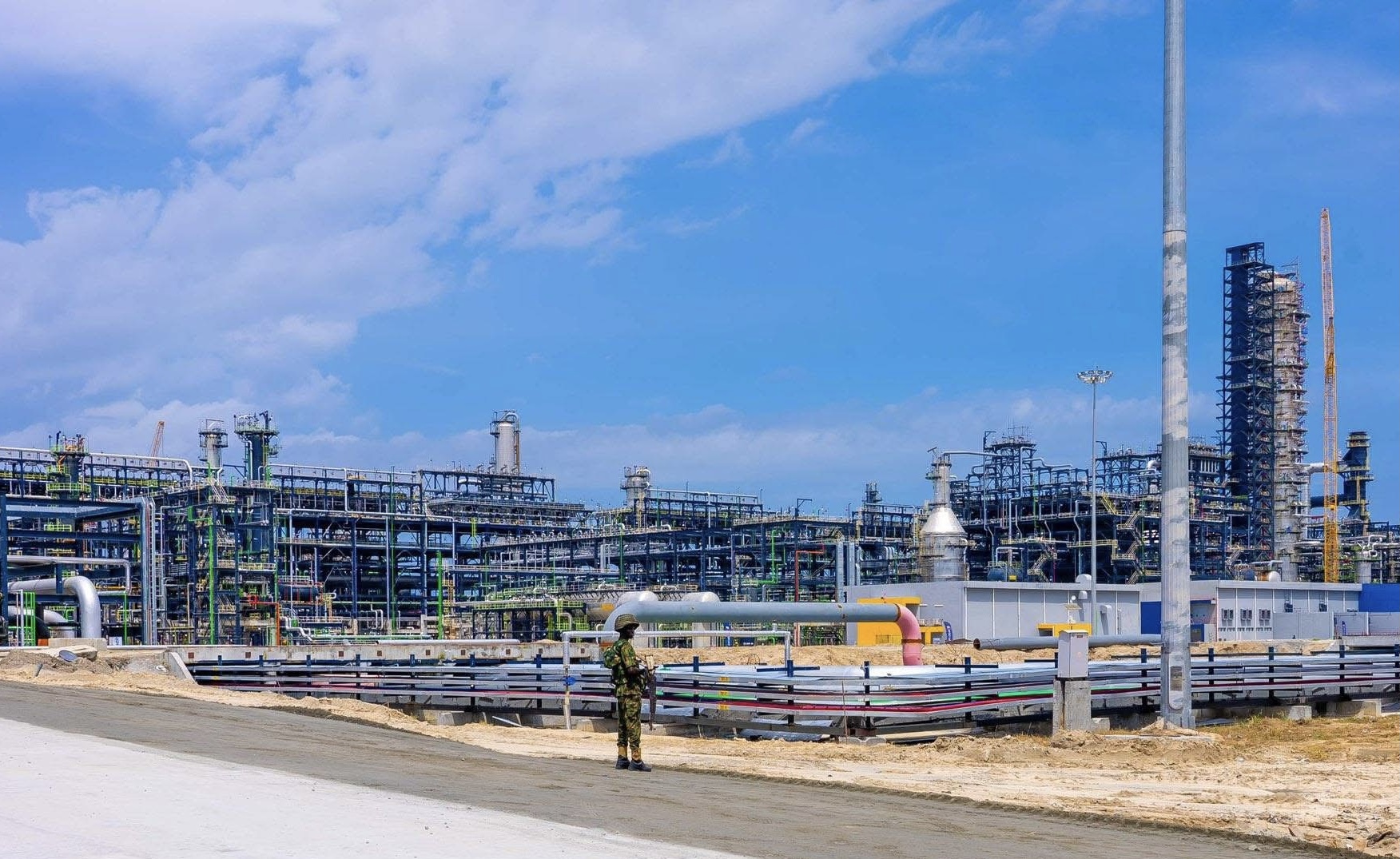
The Nigerian Midstream and Downstream Petroleum Regulatory Authority, NMDPRA, has disclosed that the Dangote Petroleum Refinery accounted for nearly 80 per cent of the petrol consumed in Nigeria in April 2026, as fuel imports dropped significantly and state-owned refineries remained inactive.
According to the latest midstream and downstream industry statistics released by the regulator, petrol supply from the 650,000 barrels-per-day refinery rose by 19 per cent in April, increasing from 34.2 million litres daily in March to 40.7 million litres daily.
The report showed that combined fuel supply from Dangote refinery and imported petrol also rose by 10.7 per cent to 44.4 million litres daily during the period, reinforcing the refinery’s growing influence on Nigeria’s downstream petroleum market.
The NMDPRA report revealed that petrol imports declined by 37.3 per cent in April, falling from 5.9 million litres per day in March to 3.7 million litres daily.
Imported crude oil also witnessed a massive drop of over 95 per cent, decreasing from 9.43 million barrels in March to 0.41 million barrels in April.
At the same time, crude oil supply from Nigerian upstream producers to local refineries rose sharply by 56 per cent, reaching 17.99 million barrels in April compared to 11.48 million barrels supplied in the previous month.
The development reflects growing local refining activity and increased reliance on domestic crude supply as Nigeria pushes to reduce dependence on imported petroleum products.
Refinery Operated Near Full Capacity Throughout April
According to the regulator, the Dangote refinery achieved an average capacity utilisation rate of 99.12 per cent during the month and reportedly operated at full capacity on most days in April.
The refinery produced an average of 53.6 million litres of petrol daily, alongside 23.6 million litres of diesel and 22.9 million litres of kerosene and aviation fuel.
NMDPRA stated that the refinery supplied about 40.7 million litres of petrol daily to the domestic market, representing approximately 79.64 per cent of Nigeria’s estimated daily fuel consumption of 51.1 million litres in April.
The increase in local supply came despite several petrol price adjustments by the refinery between March and April, driven largely by fluctuations in global crude oil prices.
Reports indicated that the refinery reviewed its gantry price multiple times within weeks, with prices rising from about N1,200 per litre to around N1,275 per litre in early April.
Despite the rise in private refining operations, government-owned refineries in Port Harcourt, Warri, and Kaduna remained shut throughout April.
The report showed that the Port Harcourt Refining Company recorded zero diesel evacuation during the month, compared to limited output recorded in March.
The continued inactivity of the state-owned refineries has further increased reliance on private sector refining capacity led by the Dangote refinery and modular refinery operators.