KEY POINTS
- Libya’s National Oil Corporation has ended its partnership with Trasta Energy and reclaimed full control of the Ras Lanuf refinery.
- The agreement resolves long-standing legal disputes and allows the refinery complex to operate entirely under Libyan management.
- Libya is also reviving petrochemical operations at Ras Lanuf as part of wider efforts to modernise and expand its energy sector.
Libya’s National Oil Corporation (NOC) has officially ended its partnership with Trasta Energy in the Libyan Emirates Oil Refining Company (LERCO), reclaiming full control of the strategically important Ras Lanuf refinery complex.
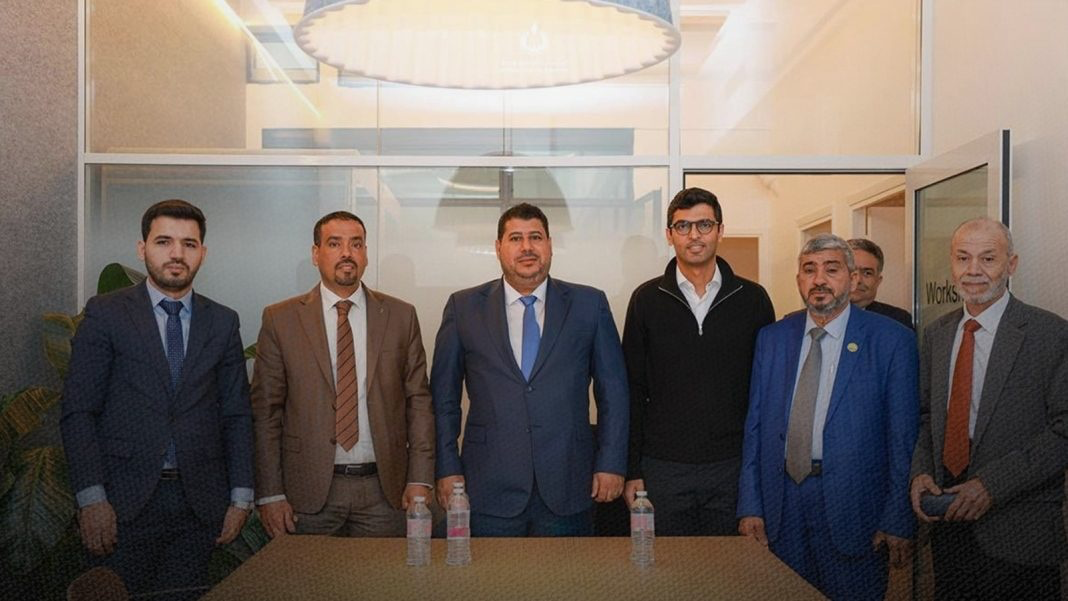
The agreement, signed by NOC chairman Masoud Suleman, brings an end to a decade-long partnership between Libya and the United Arab Emirates-based Trasta Energy, a subsidiary of the Al Ghurair Group.
Under the agreement, all shares previously held by Trasta Energy in LERCO will revert to Libya’s state-owned oil corporation, effectively placing the entire Ras Lanuf complex back under Libyan ownership and management.
The move is being viewed as a major development in Libya’s energy sector, particularly as the country seeks to strengthen national control over key oil and refining assets.
The agreement also brings closure to several international legal disputes linked to the Ras Lanuf refinery and Libya’s wider oil sector.
According to the NOC, the resolution of the dispute clears the path for the restructuring, rehabilitation, and future development of the refinery complex under exclusively Libyan management.
NOC chairman Masoud Suleman described the agreement as a significant milestone that demonstrates Libya’s capacity to reclaim and manage its strategic energy infrastructure independently.
He noted that returning the refinery to Libyan control would support future investment plans and improve the country’s ability to oversee critical petroleum operations without foreign ownership complications.
Ras Lanuf Positioned for Petrochemical Expansion
The Ras Lanuf complex has recently witnessed renewed operational activity as Libya pushes to revive its downstream oil and petrochemical sector.
In January 2025, the Ras Lanuf Oil and Gas Processing Company restarted the second production line of its polyethylene plant after a 12-year shutdown. The restart increased production capacity and helped meet growing local demand for polyethylene, a key raw material used in the plastics industry.
Later in October 2025, local technical teams also began efforts to restart the ethylene plant at Ras Lanuf following extensive maintenance work. The process included the introduction of naphtha into thermal cracking furnaces and the activation of major compressors at the facility.
The renewed focus on refining and petrochemical operations highlights Libya’s broader ambition to maximise value from its hydrocarbon resources beyond crude oil exports.
The latest development reflects Libya’s broader strategy to strengthen local control over its oil infrastructure while rebuilding confidence in the country’s energy sector after years of instability and operational disruptions.
Industry observers believe the return of the Ras Lanuf refinery fully into Libyan hands could create opportunities for future upgrades, attract fresh investments, and support domestic refining and petrochemical production.
The refinery remains one of Libya’s most significant industrial energy assets and plays an important role in the country’s long-term plans to diversify and modernise its oil and gas sector.