KEY POINTS
- Oil prices remained flat as Brent crude and WTI showed minimal movement following supply-side developments.
- Iran reported about 30 vessels transiting the Strait of Hormuz, easing immediate market fears.
- US–China discussions and shifting global inventories continue to shape uncertain oil market outlook.
Global oil prices remained largely unchanged on Thursday after reports from Iran suggested that about 30 vessels had recently crossed the Strait of Hormuz, easing immediate concerns over potential supply disruptions in one of the world’s most critical energy routes.
Brent crude futures hovered around $105.63 per barrel, while U.S. West Texas Intermediate (WTI) stood at $101.03, gaining just one cent after earlier fluctuations.
The stabilisation followed a volatile session in which prices had briefly climbed to $107.13 per barrel before easing as traders reacted to shifting geopolitical signals and trade discussions involving major global powers.
According to Iranian state media, roughly 30 vessels passed through the Strait of Hormuz within hours, while the semi-official Fars news agency reported that Iran had begun allowing some Chinese-linked ships to transit the waterway.
The Strait of Hormuz remains one of the world’s most strategic oil transit points, and any disruption there has immediate global market implications.
Reports also indicated that Iran has strengthened its influence over the strait since the outbreak of conflict earlier in the year, while striking regional arrangements involving Iraq and Pakistan for energy shipments.
US–China talks spotlight energy security and trade tensions
During diplomatic discussions between the United States and China, both sides reportedly agreed that the Strait of Hormuz must remain open to ensure the free flow of global energy supplies.
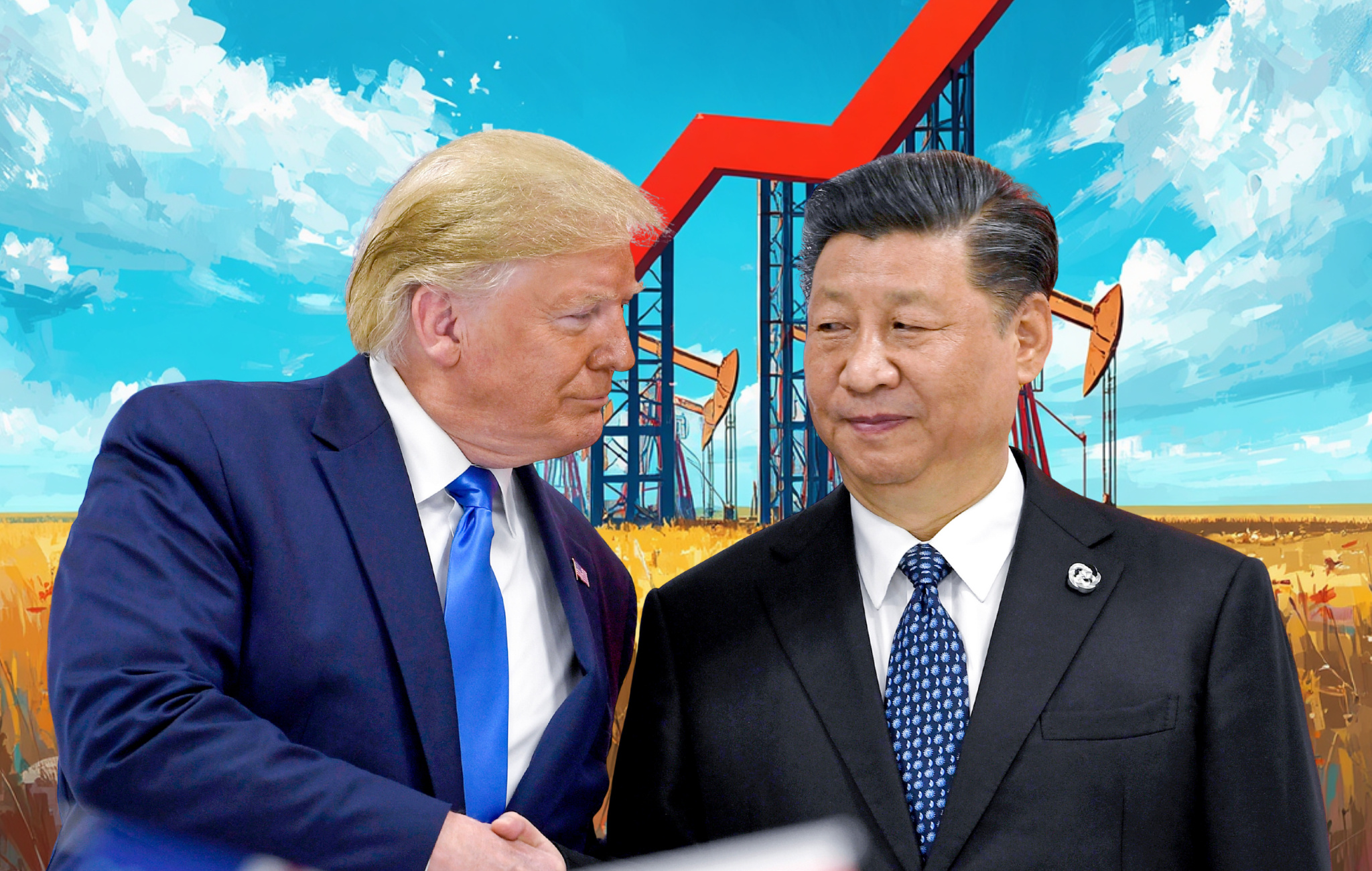
The White House noted that Chinese President Xi Jinping and U.S. President Donald Trump also discussed broader trade relations and energy security concerns, including potential Chinese purchases of U.S. crude oil.
However, China has not imported U.S. crude since May 2025 due to trade tariffs, even as it remains a major global oil consumer dependent on maritime routes such as the Strait of Hormuz.
Despite earlier tensions, shipping activity through the Strait of Hormuz has shown signs of partial recovery.
A Chinese supertanker carrying around 2 million barrels of Iraqi crude reportedly passed through the waterway after being stranded in the Gulf for weeks.
In another case, a Japan-linked crude tanker operated by Eneos also successfully navigated the strait, marking a second instance of resumed transit for Japanese-associated vessels.
These developments suggest cautious reopening of critical energy shipping lanes, although analysts warn that the situation remains highly sensitive.
Beyond geopolitical tensions, global oil markets continue to be influenced by tightening supply conditions.
The International Energy Agency (IEA) recently warned that global oil supply may struggle to meet demand this year as inventories are being drawn down rapidly.
In the United States, crude stockpiles fell by 4.3 million barrels in the week ending May 8, driven by increased exports, although distillate inventories rose unexpectedly.
These mixed signals have contributed to continued price volatility despite short-term stability in benchmark crude prices.