KEY POINTS
- Egypt, ExxonMobil, and QatarEnergy signed an MoU to explore linking Cypriot gas fields to Egypt’s LNG infrastructure for export.
- The plan aims to use Egypt’s liquefaction and export facilities to monetise Eastern Mediterranean gas discoveries and deepen regional energy integration.
- The initiative strengthens Egypt’s role as a regional energy hub, with potential European gas exports via Egypt targeted around 2028.
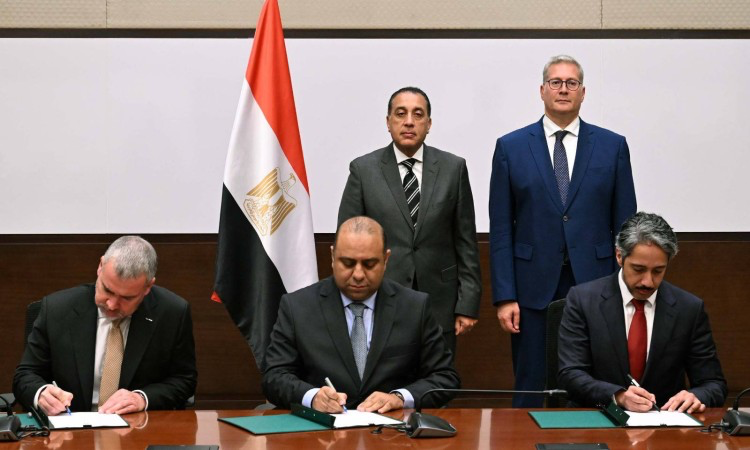
Egypt has signed a memorandum of understanding (MoU) with ExxonMobil and QatarEnergy to explore the integration of Cypriot natural gas resources with Egypt’s existing gas infrastructure.
The agreement, witnessed by Egyptian Prime Minister Mostafa Madbouly, focuses on maximising the use of Egypt’s advanced natural gas infrastructure, particularly its liquefaction and export facilities. The aim is to assess how gas discoveries in Cyprus can be routed through Egypt for processing and export.
Officials say the initiative is designed to unlock additional economic value from regional gas resources while strengthening cooperation among Eastern Mediterranean energy producers.
A key component of the agreement is Egypt’s established liquefied natural gas (LNG) infrastructure, which is expected to serve as the main processing and export hub for Cypriot gas.
According to the Ministry of Petroleum and Mineral Resources (MoPMR), connecting Cypriot discoveries to Egyptian facilities could significantly enhance the commercial viability of offshore gas fields in the region.
The arrangement also includes the development of a commercial framework to ensure mutual economic benefits for Egypt, Cyprus, and international energy partners operating in both countries.
ExxonMobil and QatarEnergy deepen Cyprus gas development
Karim Badawi, Egypt’s Minister of Petroleum and Mineral Resources, said ExxonMobil has been working on ways to utilise its gas discoveries in Cyprus through Egypt’s infrastructure network. He noted that both ExxonMobil and QatarEnergy already operate in Egypt and Cyprus, making cross-border integration more feasible.
The companies are currently assessing development options for Cypriot offshore assets, including the Glaucus and Pegasus fields in Block 10, with plans to transport gas to Egypt for liquefaction.
QatarEnergy holds a 40% stake in the Glaucus field alongside ExxonMobil, reinforcing the strategic partnership behind the project.
The MoU builds on an emerging Eastern Mediterranean energy corridor designed to channel natural gas from Cyprus through Egypt for export to Europe.
This follows earlier agreements involving fields operated by Eni and Chevron, including the Cronos and Aphrodite developments, which are also being connected to Egyptian infrastructure.
Egypt has already signed long-term arrangements, including a 15-year deal for gas output from the Aphrodite field, positioning the country as a central transit and liquefaction hub.