

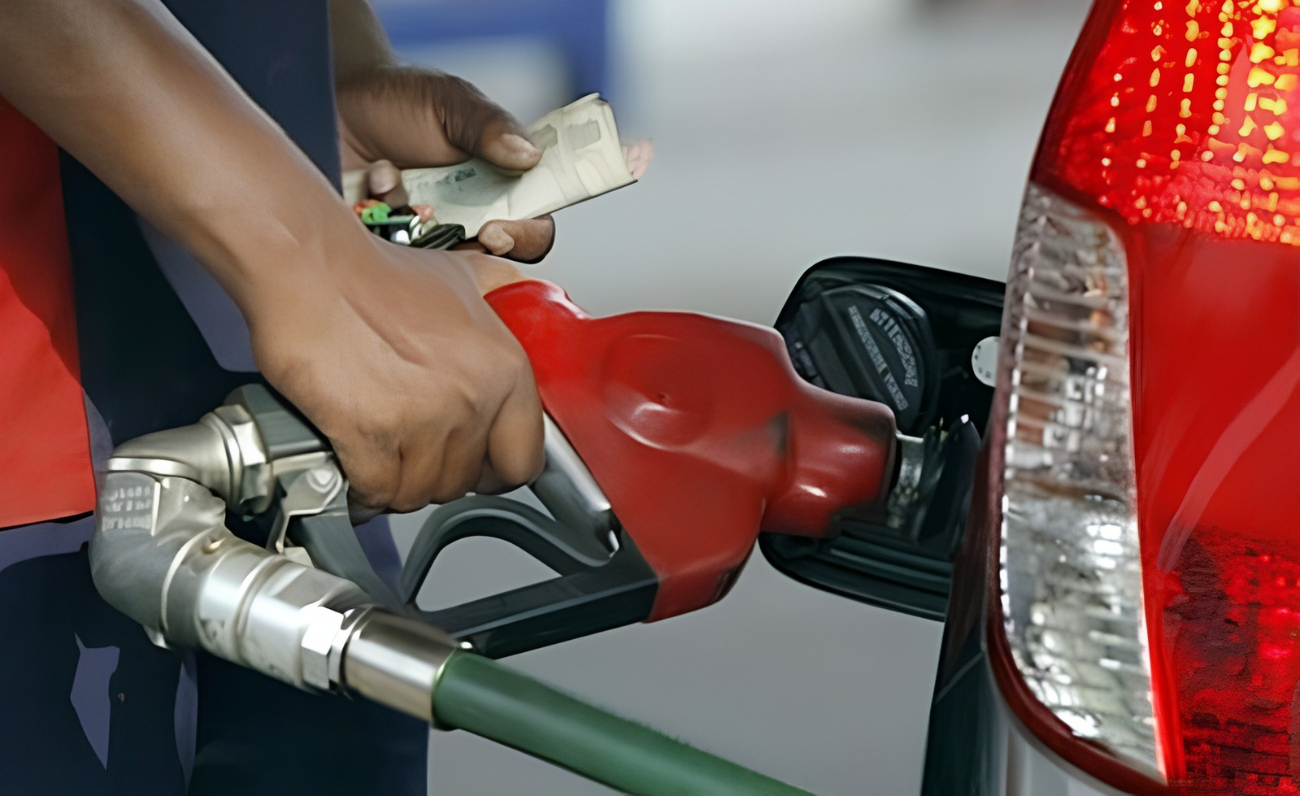
KEY POINTS
- Dangote raises petrol price to N1,350/L.
- Pump prices hit N1,460 in some areas.
- N1,500 petrol is now within reach.
Fresh pressure is mounting on petrol prices across Nigeria after the Dangote Petroleum Refinery raised its ex-gantry price by N85 per litre, pushing the wholesale cost of Premium Motor Spirit (PMS) to N1,350.
The increase, from N1,265 to N1,350 per litre, represents a 6.7 per cent rise and has already triggered price adjustments at filling stations in several parts of the country.
With some motorists now paying between N1,395 and N1,460 per litre, consumers are increasingly concerned that petrol could soon reach the N1,500 mark, particularly if international crude oil prices remain elevated.
The latest development is adding to pressure on households, transport operators and businesses already struggling with high operating costs.
Several major fuel retailers have responded to the higher refinery price by adjusting their pump prices.
In Abuja, MRS increased its price from N1,350 to N1,395 per litre, while NIPCO raised its price to N1,430. Mobil outlets also increased their price to N1,400 per litre.
The upward adjustments were more pronounced in Kano, where Aliko raised its price from N1,365 to N1,430 per litre. Matrix and AA Rano increased their prices to N1,460, while AY Maikifi moved from N1,330 to N1,430.
In Lagos, NNPC filling stations increased their pump price from N1,295 to N1,380 per litre, while some outlets in the North-West raised prices to about N1,390.
Petrol also reached N1,400 per litre in Ibadan, with some independent stations selling above that level. The price increase has also spread across the South-South.
Checks in Port Harcourt showed that several filling stations were selling petrol at about N1,400 per litre, while prices in Yenagoa, Bayelsa State, reached around N1,385.
A filling station manager in Rumuokoro said the outlet’s pump price was determined largely by the cost of obtaining products from its supplier and tank farm.
He added that the station could reduce its price if the cost of obtaining petrol falls.
However, motorists are already warning that sustained prices at current levels could force transport operators to increase fares.
Global oil prices drive fresh pressure
Industry stakeholders have linked the latest petrol price increases to a combination of international crude oil prices, refinery pricing, deregulation and logistics costs.
Brent crude recently climbed to above $107 per barrel, its highest level in six weeks, before easing to around $104.
The rise in global oil prices is particularly significant because Nigeria’s petrol market now operates without the former petrol subsidy regime. Changes in crude oil prices and the cost of replacing petroleum products can therefore feed more directly into domestic pump prices.
The continued geopolitical tensions surrounding the Strait of Hormuz have also increased concerns about the possibility of prolonged pressure on global oil markets. The latest increase is likely to put additional pressure on commercial transport operators, many of whom are already dealing with high vehicle maintenance and operating costs.
A commercial driver in Ibadan said the new petrol price would be difficult to absorb because passengers were already struggling with the cost of transportation.
Motorists in other parts of the country expressed similar concerns, warning that higher petrol prices could force transport operators to increase fares.
Any significant rise in transport costs could have wider consequences because Nigerians rely heavily on road transportation for commuting and the movement of goods. The impact will not be limited to motorists.
Businesses that depend on petrol-powered generators are also exposed to the latest increase. Small and medium-sized enterprises could face higher costs for electricity generation, transportation and distribution.
Higher logistics costs could eventually be reflected in the prices of goods and services as businesses seek to protect their margins.
For households, the pressure could come through several channels, including higher transport fares and increased prices for goods moved by road. The Independent Petroleum Marketers Association of Nigeria (IPMAN) said the latest pressure was largely driven by factors beyond the immediate control of the Federal Government.
IPMAN National Publicity Secretary Chinedu Ukadike attributed the rising crude oil prices partly to tensions around the Strait of Hormuz.
He called for greater crude supply to local refineries through the Presidential Committee on Naira-for-Crude, arguing that domestic refineries should have access to crude at reasonable prices.
According to him, ensuring adequate crude supply to local refineries could help reduce the extent to which international oil price shocks are transmitted to Nigerian consumers.
He also pointed to insecurity as a factor affecting Nigeria’s ability to meet its OPEC production quota. The latest price adjustments have intensified concerns that petrol could reach N1,500 per litre in more parts of Nigeria if crude oil prices remain high.
Although pump prices vary between locations and individual marketers, the general direction remains upward following the Dangote Refinery’s latest price adjustment.
The development underscores the continuing vulnerability of Nigerian households and businesses to movements in global oil prices, even as the country expands domestic refining capacity.
For consumers, the immediate concern is whether the latest increase will trigger another round of higher transport fares and living costs in the days ahead.