

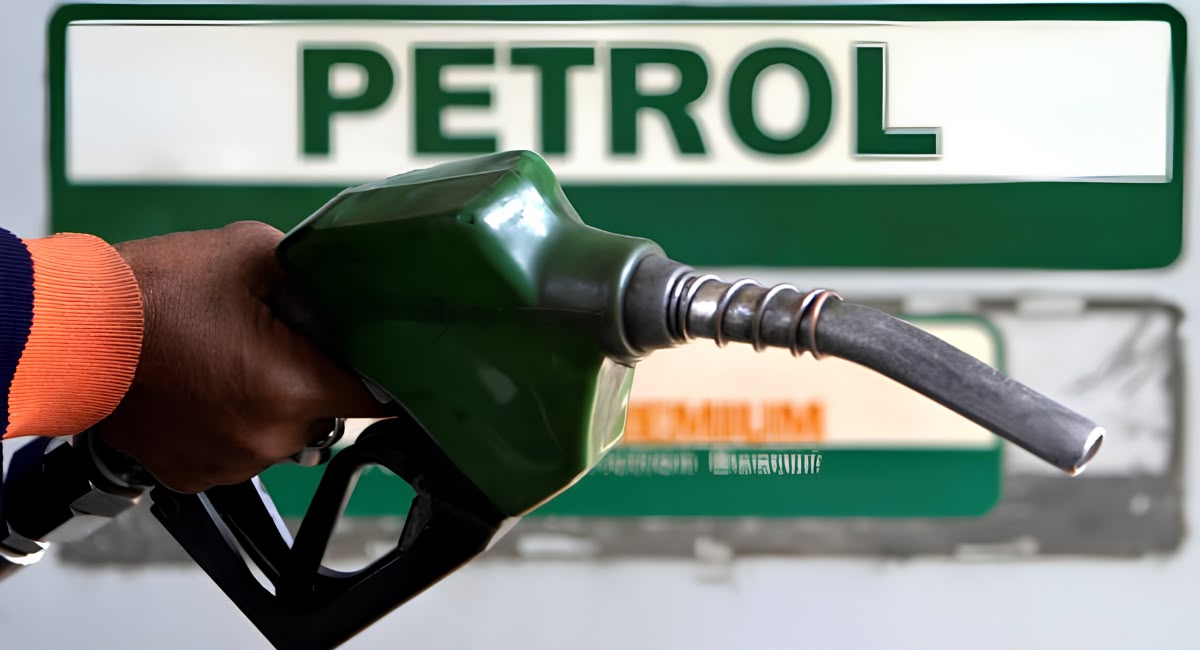
The Crude Oil Refiners Association of Nigeria has backed the government’s plan to sell crude to domestic refineries through forward contracts, but it opposes a proposed petrol price cap, warning that it could bring back subsidy or price controls.
The group, known as CORAN, spoke Monday after Finance Minister Taiwo Oyedele outlined a package last week to cushion consumers from record fuel costs. It includes a ceiling of about N1,350 a liter, or $1.02, on petrol at the gantry or landing cost, a 30 day discount at designated NNPC stations, and forward crude sales to local refiners.
What refiners like about forward sales
CORAN said selling crude in advance would give refiners more certainty, reduce their exposure to swings in international prices and improve feedstock planning. Jeremiah Olatide, chief executive of Petroleumprice.ng, also welcomed the plan, saying it shows the government is responding to industry concerns.
But the association said every domestic refiner must have access to crude under the arrangement, including smaller plants. Refiners have long complained that crude producers prefer to export rather than sell to local plants.
Why refiners reject the petrol price cap
CORAN’s problem is the cap. Under the proposal, refiners and fuel importers would absorb temporary price increases above the ceiling and recoup the losses when costs ease. The government says that is not a subsidy and not formal price regulation, and that the ceiling will be reviewed monthly.
The association warned that the plan could reintroduce regulation or subsidy obligations if the government does not explain how excess costs will be covered. Eche Idoko of CORAN questioned how the N1,350 figure was set and asked whether major industry groups had endorsed it.
Price stability is desirable, he said, but Nigeria must be careful not to bring back price regulation or “subsidy through the back door.” He argued the government should focus on raising crude output, improving feedstock access and cutting refining costs instead of setting product prices administratively.
Pressure on the government
The debate comes as pump prices rise. Retailers in Abuja have raised prices, and the Nigeria Labour Congress has given the government a 14 day ultimatum over petrol and wages. Elections are due in January, which raises the political cost of any further jump at the pump.
Some supply questions remain. Oyedele has said forward sales will happen at a time and price still to be set, and critics have asked whether Nigeria can supply local plants with enough crude.
The government has also floated a windfall tax on energy companies found to be profiteering, and plans to invest in a national strategic fuel reserve.
Refiners welcome locked in crude prices. What they do not want is to be asked to carry the gap when the market moves against them. They also want clear terms upfront.
The message to the government is to take the forward sales and leave the pricing to the market, or explain who pays when costs rise. Until that is clear, the petrol price cap is a promise with no payer attached.