

KEY POINTS
- Libya plans to begin exploration at offshore Block 22 in Q2 2027.
- The programme includes 3D and 1,500km seismic surveys.
- The consortium comprises Repsol, TPAO and Hungary’s MOL.
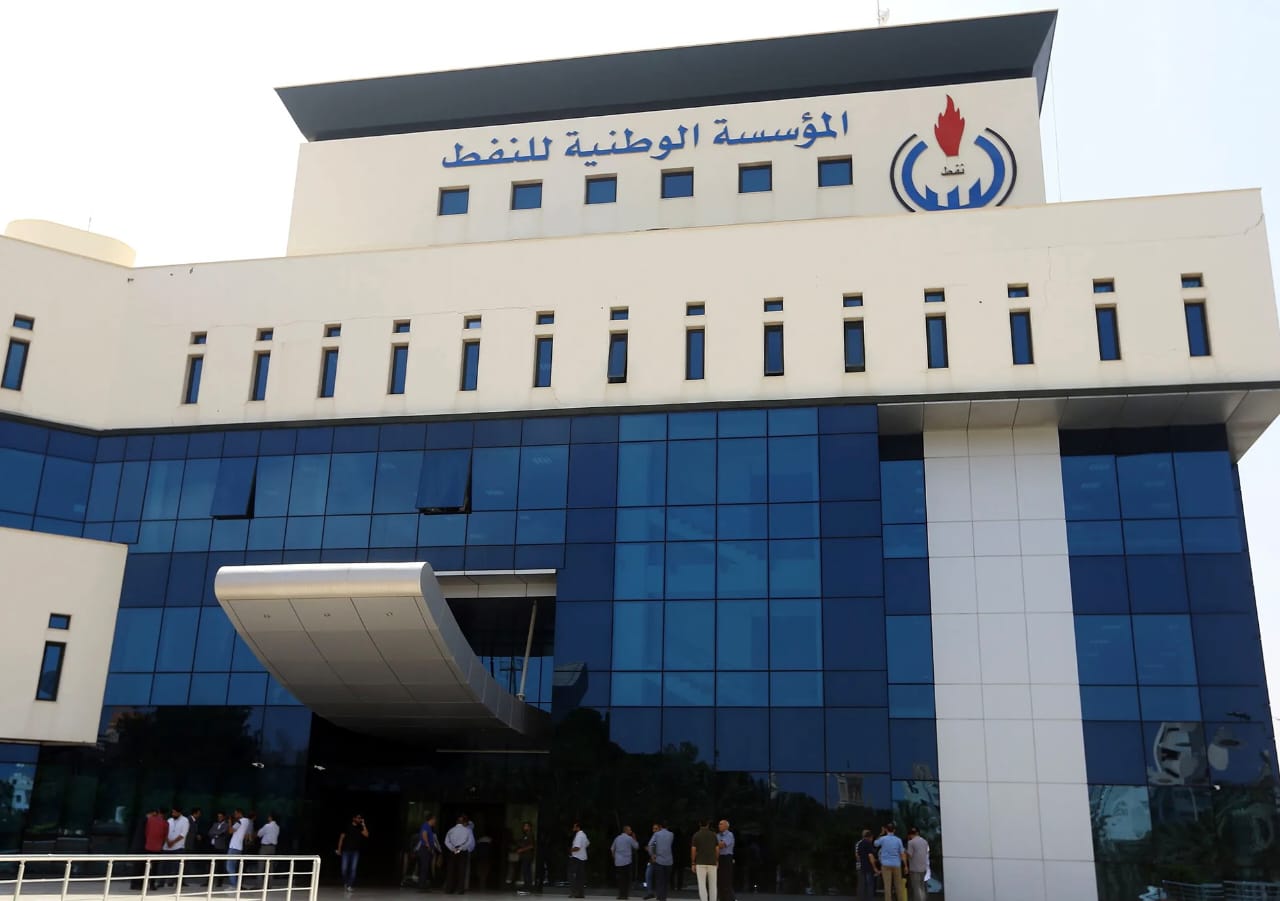
Libya’s state-owned National Oil Corporation (NOC) has held discussions with an international consortium led by Spain’s Repsol, Turkey’s TPAO and Hungary’s MOL over plans to begin oil exploration activities in the second quarter of 2027.
The talks focused on exploration programmes for offshore Block 22 in the Sirte Basin, where the consortium secured an exploration licence in January. The block is located in a deep-water area, with water depths reaching up to 2,000 metres.
The discussions form part of Libya’s efforts to attract international oil companies and expand its oil and gas reserves after years of political instability and disruptions to its energy industry.
Seismic surveys planned for Block 22
According to the NOC, the meeting examined the consortium’s proposed exploration activities, including a three-dimensional (3D) seismic survey covering 2,676 square kilometres.
The programme also includes a 1,500-kilometre linear seismic survey. These surveys will help the companies gather geological information about the offshore area and assess its potential for oil and gas discoveries.
The planned activities are expected to begin in the second quarter of 2027, although the NOC did not provide further details on the exploration timetable or the expected cost of the programme.
The consortium secured the licence for Block 22 during Libya’s latest oil and gas bidding round, which marked the country’s first licensing exercise since 2007.
Libya seeks to attract foreign investment
The NOC said the meeting was intended to strengthen strategic partnerships with international energy companies and support efforts to increase the country’s oil and gas reserves.
Libya remains heavily dependent on its petroleum industry, with oil accounting for more than 95 per cent of its economic output. Expanding exploration activities is therefore important to the country’s plans to sustain production and strengthen government revenues.
The country was producing about 1.6 million barrels of oil per day before the NATO-backed uprising that toppled former leader Muammar Gaddafi in 2011.
Political instability and repeated disruptions have affected Libya’s oil industry since then. However, the latest exploration discussions signal continued efforts by the NOC to bring international companies into the country’s upstream sector.
The involvement of Repsol, TPAO and MOL in Block 22 also gives Libya an opportunity to draw on the technical expertise and investment capacity of established international energy companies.