KEY POINTS
- NNPC has raised petrol prices to N933 per litre in Lagos and N960 per litre in Abuja.
- The increase follows a recent petrol price adjustment by Dangote Refinery.
- Rising crude oil prices linked to global tensions are pushing fuel costs higher in Nigeria.
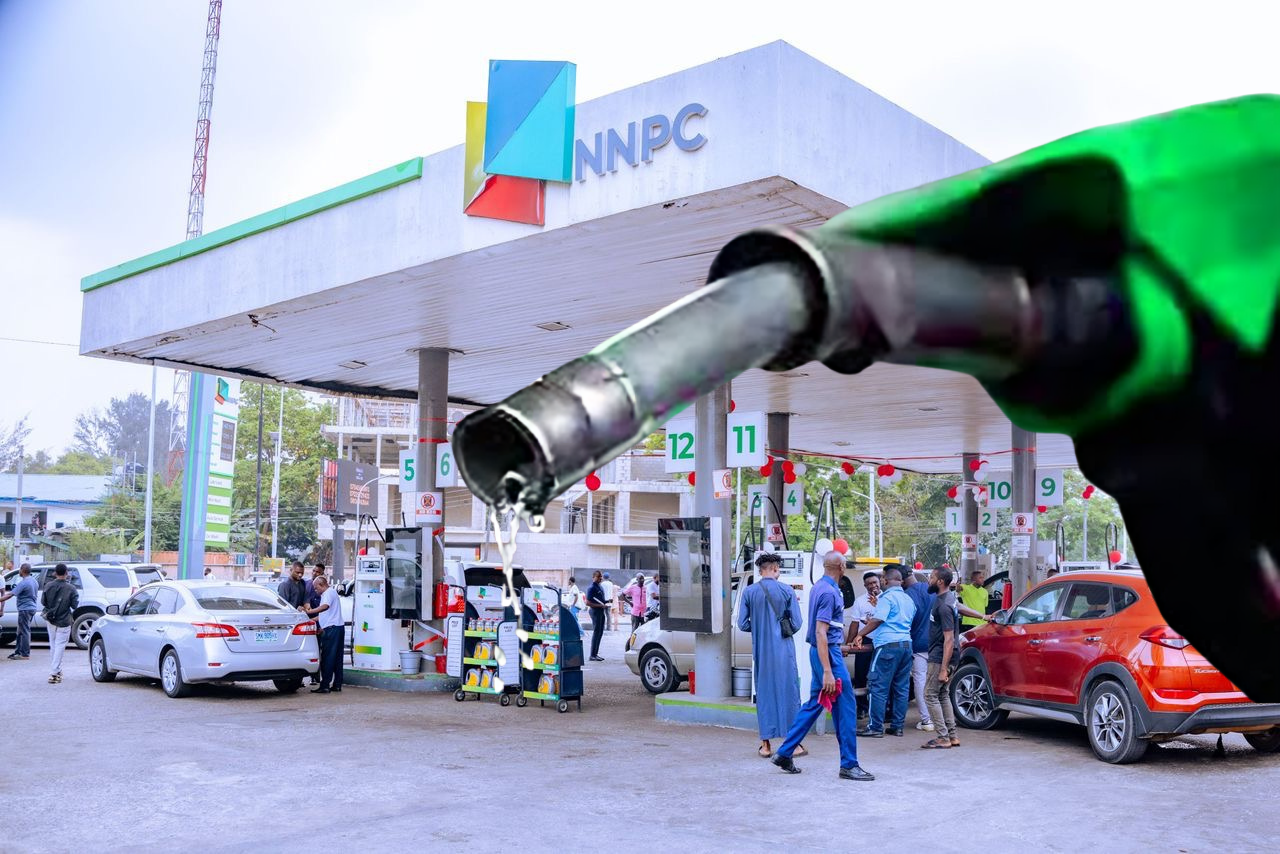
Motorists across Nigeria are facing another surge in petrol prices after the Nigerian National Petroleum Company Limited, NNPC, increased pump prices at its retail outlets.
The national oil company now sells petrol at N933 per litre in Lagos and N960 per litre in Abuja, according to checks at several filling stations on Wednesday.
The adjustment represents a sharp increase from the previous price levels. In Lagos, petrol rose by N103 from N830 per litre. In Abuja, motorists are now paying N85 more than the earlier price of N875 per litre.
The new prices have already taken effect at several NNPC stations. Retail outlets at Apple Junction and Ago Palace Way in Lagos were seen dispensing petrol at the updated rate. Similar changes were observed at stations along Airport Road in Lugbe, Abuja.
Fresh pressure on fuel prices
The latest increase follows a recent price adjustment by the Dangote Petroleum Refinery, which raised its ex depot petrol price to N874 per litre on March 2. The refinery had previously sold the product at N774 per litre.
Energy analysts say the recent adjustments reflect mounting pressure in global oil markets.
Rising geopolitical tensions in the Middle East have disrupted energy supply routes and pushed crude oil prices higher in the international market.
Market data shows Brent crude climbed to about 85 dollars per barrel on March 3, up from around 72 dollars recorded on February 28. The sudden rise has added pressure on fuel import costs and domestic pump prices in countries that still rely partly on imports.
The Petroleum Products Retail Outlets Owners Association of Nigeria has urged the federal government to maintain steady crude oil supply to local refineries.
The association said improving domestic refining capacity could help cushion the impact of volatility in the global oil market.
Industry stakeholders warn that prolonged instability in global crude markets could weaken foreign exchange stability and worsen inflation.
Higher fuel prices often ripple through the wider economy as transport costs rise and businesses adjust the prices of goods and services.
Nigeria continues to grapple with rising living costs as fuel remains one of the most sensitive components of household and business expenditure.