KEY POINTS
- Egypt and Cyprus signed a non-binding framework to negotiate development and sale of gas from Cyprus’ Kronos and Aphrodite fields.
- Gas extraction from the Kronos field could begin between 2027 and 2028, with exports potentially routed through Egypt.
- The deal supports efforts to turn the Eastern Mediterranean into an energy hub as Egypt faces rising fuel costs and supply pressures.
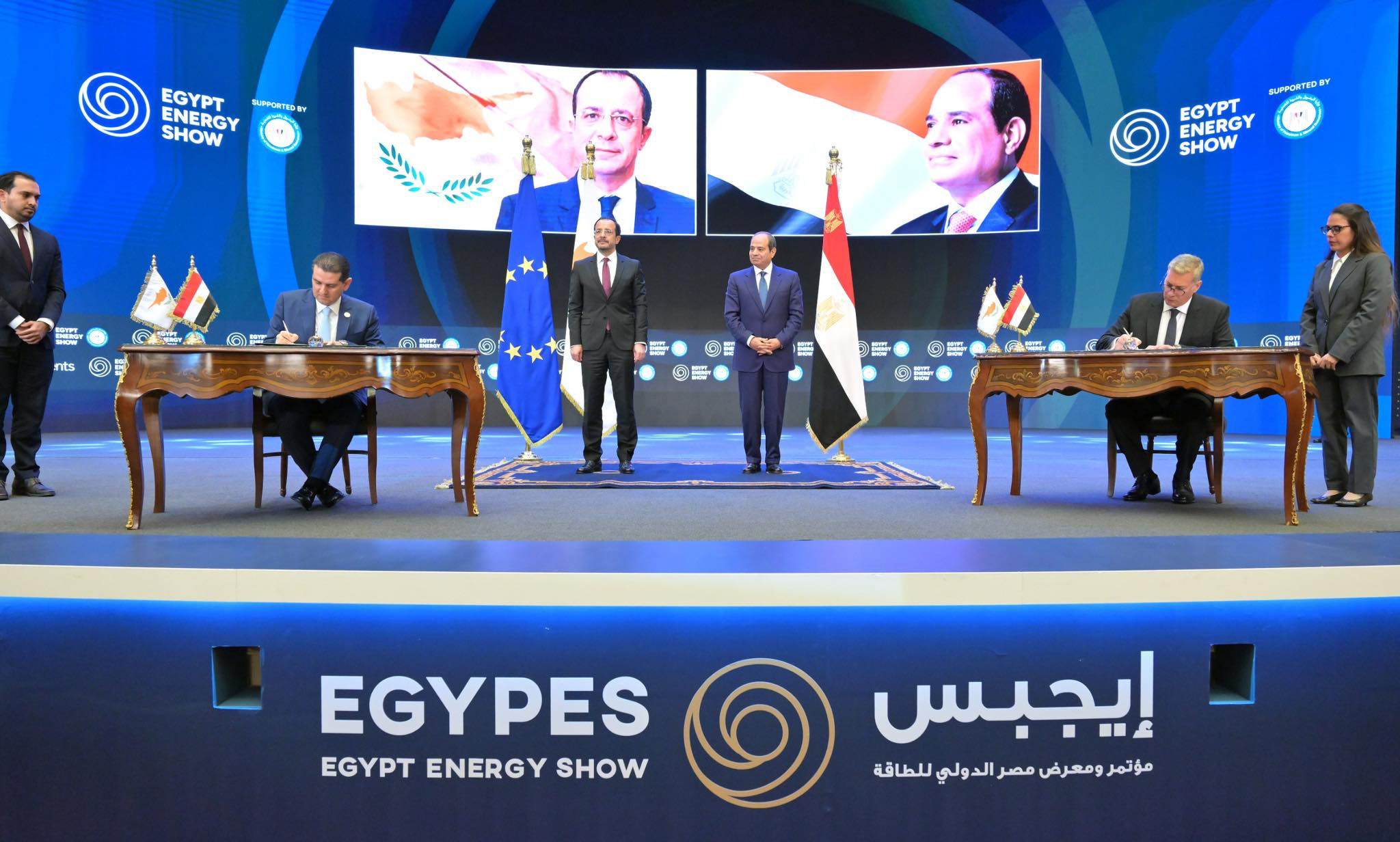
Egypt and Cyprus on Monday signed a framework agreement to expand cooperation in the natural gas sector, marking another step toward developing Cyprus’ offshore reserves and strengthening regional energy ties.
The non-binding deal, announced during the Egypt 2026 Energy Show in Cairo, will serve as a foundation for further negotiations between both countries on the exploration and commercialization of Cypriot gas resources. A spokesperson for the Cypriot presidency said the agreement provides a roadmap for future binding arrangements focused on exploiting Cyprus’ gas reserves.
Under the framework, Egypt and Cyprus are expected to negotiate potential sales of natural gas from Cyprus’ Kronos and Aphrodite offshore fields. The discussions could involve direct supply to Egypt or to Egyptian state-owned energy companies, according to a Cypriot government official.
Cypriot authorities indicated that gas extraction from the Kronos field could begin between 2027 and 2028, depending on final investment decisions and infrastructure development.
The latest agreement builds on previous cooperation between the two countries. Last year, Egypt and Cyprus signed deals allowing gas from Cypriot offshore fields to be transported to Egypt for liquefaction and re-export to European markets. Both nations are seeking to position the Eastern Mediterranean as a strategic energy hub amid shifting global supply dynamics.
The partnership comes as Egypt faces mounting pressure in its energy sector, partly due to regional instability affecting oil and gas production and trade across the Middle East. The country relies heavily on imported fuel, and disruptions have driven up costs.
In response, Egyptian authorities have raised fuel and public transport prices, introduced work-from-home measures for some sectors, and ordered most malls, shops and restaurants to close by 9 p.m. five days a week to conserve energy and reduce demand.
The new framework agreement is expected to deepen energy cooperation between Cairo and Nicosia while advancing plans to develop and export Eastern Mediterranean gas to global markets.