KEY POINTS
- The US-Israel-Iran conflict has driven Nigerian petrol prices up by over 50%.
- Bonny Light crude surged from around $70 to highs exceeding $120 per barrel.
- Nigeria entered the current global crisis from a stronger economic position than before.
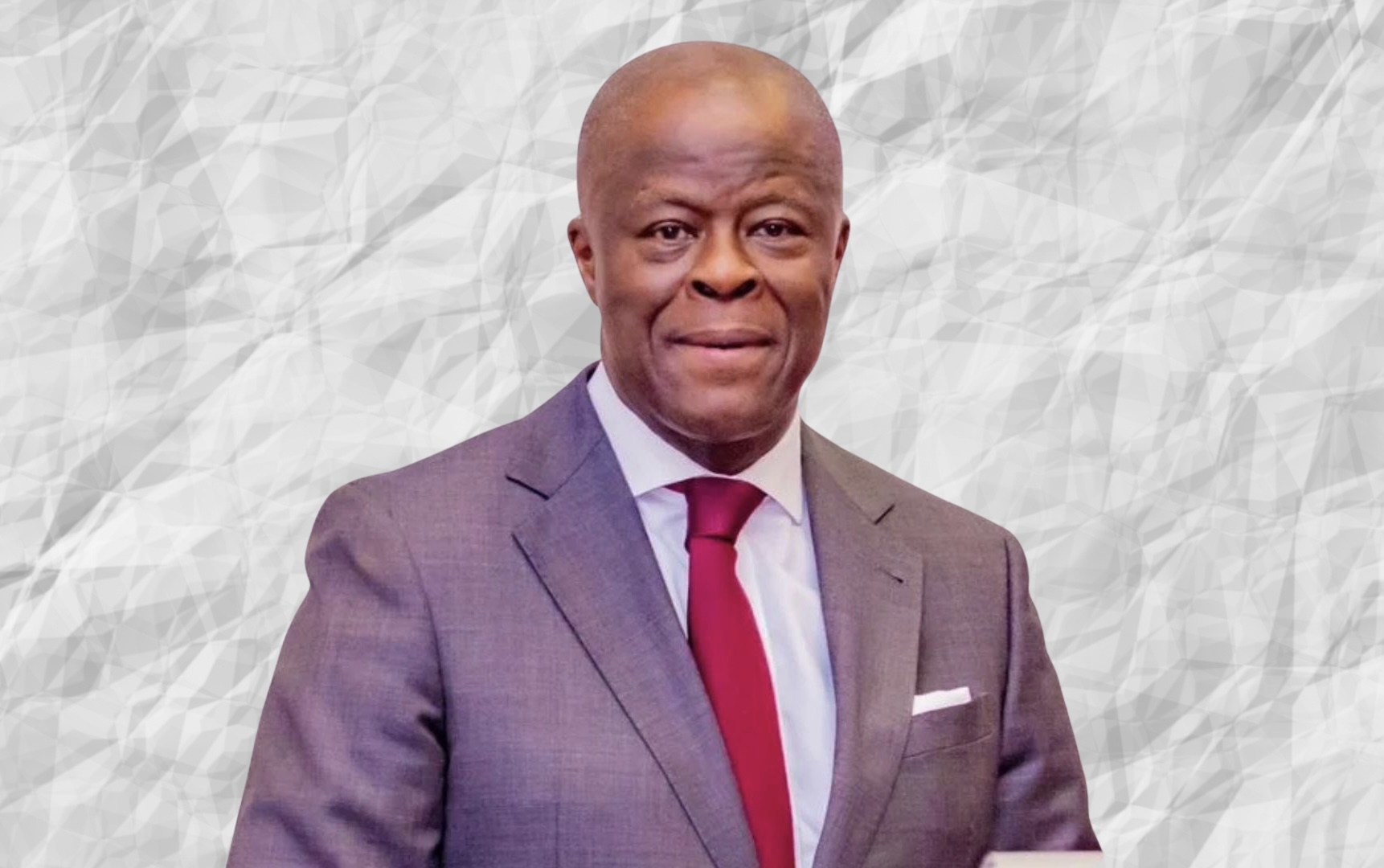
Nigeria’s Finance Minister Wale Edun says the conflict involving the United States, Israel and Iran has delivered a sharp external shock to global energy markets, and Nigerian households are feeling it directly.
Edun made the remarks at the IMF and World Bank Spring Meetings, where he led the Nigerian delegation. He said the disruption comes at a difficult moment, landing squarely on top of domestic economic reforms designed to pull millions of Nigerians out of poverty.
What the numbers look like
The Strait of Hormuz disruption hit crude oil prices hard. Edun said prices rose between 35% and over 50% from the start of the conflict. Bonny Light, Nigeria’s benchmark crude grade, climbed from around $70 to $73 per barrel to highs above $110 to $120.
Those global movements translated quickly into domestic pain. Petrol prices jumped more than 50%, rising from roughly N890 to N900 per liter to between N1,260 and N1,330. Diesel surged even harder, climbing from N1,100 per liter to about N1,550 at the peak, a gain of over 70%.
“Volatility in global energy markets is already influencing domestic energy-related commodities, with direct implications for prices and the standard of living of Nigerians,” Edun said.
Nigeria’s position and what it needs
Edun told IMF delegates that Nigeria is in a better position now than it was heading into previous global shocks, including COVID-19 and the Russia-Ukraine war. He credited stronger macroeconomic fundamentals for that relative resilience.
Still, he was direct about what Nigeria needs. He said the country requires greater external support during its ongoing economic transition and will push for additional measures to reduce fiscal strain and attract investment.
Higher food costs, elevated fuel prices and tightening global financial conditions are compounding the pressure on ordinary Nigerians.