

KEY POINTS
- Rwanda and the International Solar Alliance signed a three-year solar partnership on May 8 in Kigali.
- The deal targets Rwanda’s existing 900MW solar pipeline, with 40% from decentralized sources.
- A flagship livelihoods program will reach at least 500,000 Rwandans through solar-powered solutions.
Rwanda has signed a three-year strategic partnership with the International Solar Alliance, setting in motion a plan to unlock more than 900 megawatts of solar capacity and bring electricity to every household in the country by 2029.
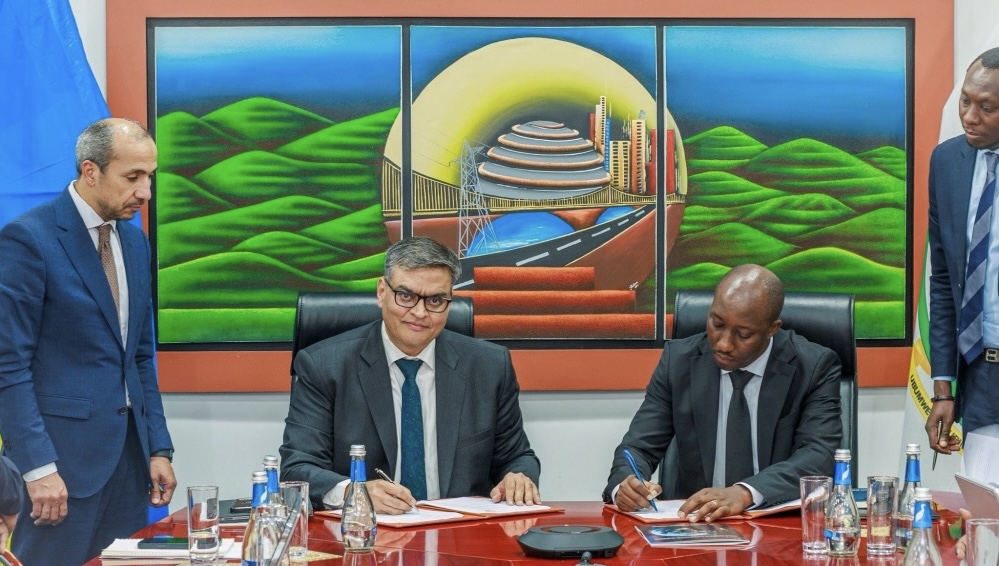
The Country Partnership Framework was signed in Kigali on May 8. It maps out a roadmap covering solar-powered agriculture, rooftop systems, off-grid solutions, clean cooking technologies, electric vehicle charging infrastructure and skills development.
Minister of Infrastructure Jimmy Gasore did not frame solar as one option among many. “Solar energy is not a component of our strategy; it is a defining pillar of it,” he said.
What the 900MW pipeline looks like
Rwanda already has a solar pipeline of more than 900 megawatts in planning. The International Solar Alliance will now support the country in delivering that pipeline over the next three years. About 40% of planned capacity is expected to come from decentralised sources, including rooftop solar and agricultural applications.
The agreement includes the establishment of a Solar Technology Application Resource Centre at the University of Rwanda. The center will train policymakers, engineers, technicians and entrepreneurs, while supporting research, standards development and business incubation.
A Technical Working Group comprising the Ministry of Infrastructure, Rwanda Energy Group, the Ministry of Agriculture and ISA will develop a six-month action plan. A ministerial steering committee will meet monthly to review progress and resolve bottlenecks.
Agriculture and livelihoods at the center
A flagship livelihoods program targets at least 500,000 Rwandans through solar-powered water pumping, cold storage, agro-processing and community energy initiatives.
Minister of Agriculture Telesphore Ndabamenye said the deal directly addresses cost barriers farmers face when irrigating hillside land.
“It will boost irrigation, especially hillside irrigation, where electricity costs remain a challenge for farmers pumping water from rivers and lakes,” he said.
The framework also opens competitive bidding processes across the solar value chain, covering utility-scale projects, rooftop systems, mini-grids and productive-use technologies. Blended financing and access to multilateral and climate finance institutions are included as tools to scale bankable projects.
Rwanda’s renewable energy share has already reached 52%. The ISA partnership is the next structural step in a country that has decided solar is not optional.