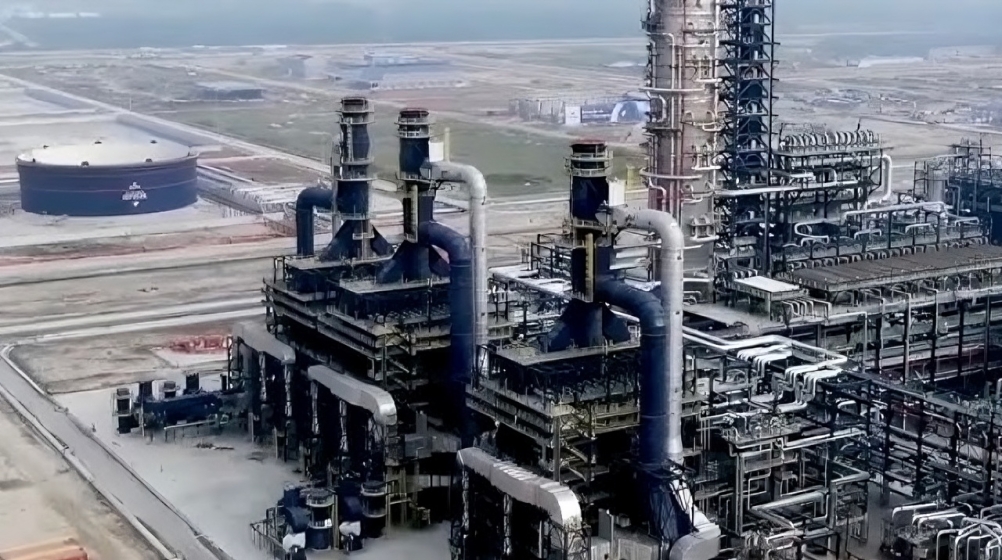
KEY POINTS
- Construction of the $16bn Lamu oil refinery is expected to begin in October 2026.
- The facility will have a planned capacity of 700,000 barrels of crude oil per day.
- Dangote says the refinery will serve Kenya, East Africa and other markets while creating thousands of jobs.
Construction of the proposed Dangote-backed Lamu oil refinery in Kenya is expected to commence in October 2026, with Africa’s richest man, Aliko Dangote, saying preparations for the ambitious project have reached an advanced stage.
Dangote disclosed that the groundbreaking ceremony for the refinery would take place no later than October, after which actual construction of the facility is expected to begin.
The project is being positioned as a major investment in Kenya’s energy sector and is expected to strengthen the country’s petroleum supply while serving markets across East Africa.
“By October this year, we will be groundbreaking. Once we break the ground, we will begin the construction,” Dangote said in an interview with the BBC.
The refinery is expected to take less than four years to complete once construction begins.
Refinery to Process 700,000 Barrels of Crude Daily
The proposed Lamu refinery is projected to have a processing capacity of 700,000 barrels of crude oil per day.
If completed as planned, the facility would rank among the largest planned oil-processing projects in Africa and significantly increase Kenya’s capacity to refine crude oil locally.
Beyond meeting domestic demand, Dangote said the refinery is designed to serve the broader East African market, with petroleum products potentially supplied to several countries in the region.
He indicated that the facility could also supply markets beyond East Africa, including Egypt, underscoring the project’s intended regional and continental reach.
“The refinery will not only be for Kenya but East Africa as a whole, so it can serve a lot of countries, including Egypt,” Dangote said.
Dangote also revealed that the estimated cost of the refinery has been reduced from an earlier projection of about Ksh2.2 trillion to approximately Ksh2 trillion.
In dollar terms, the initial estimate of $17 billion has been revised to around $16 billion.
According to Dangote, the lower projected cost is partly linked to experience gained from the construction of the Dangote Refinery in Nigeria.
He explained that lessons from the Nigerian project would help the company execute the Kenyan refinery more quickly, thereby reducing the financing costs associated with the development.
“We first thought it was going to cost $17 billion, but it will cost less than that, about $16 billion,” he said.
Dangote added that the company is now more experienced in handling a project of such magnitude, which is expected to contribute to greater efficiency during the construction of the Lamu facility.
The proposed refinery will be financed through a combination of equity and debt.
Dangote said the company plans to contribute 30 per cent of the project’s financing through equity, while the remaining 70 per cent will be raised through debt.
The financing structure is expected to provide the capital required for construction and development of the large-scale facility while allowing the project to leverage private-sector investment.