KEY POINTS
- NNPC says CNG operators will receive increased gas supplies as petrol prices remain high.
- Nigeria recorded 791 million scf of incremental gas supply by August, 17% of its 4.6 billion scf target.
- Government is pursuing higher domestic gas use alongside LNG exports and regional pipeline projects.
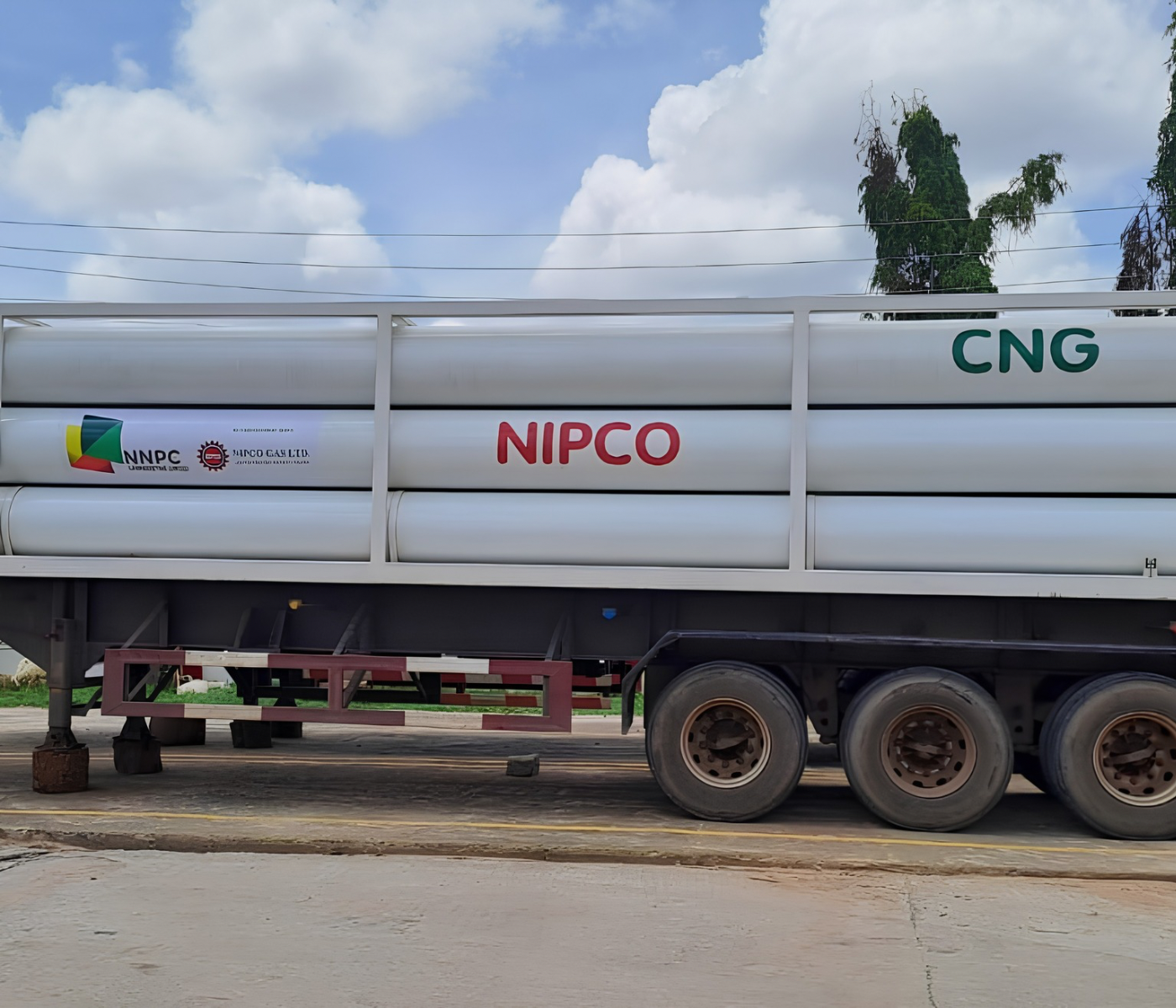
The Nigerian National Petroleum Company Limited, NNPC, is increasing gas supplies to operators in the Compressed Natural Gas (CNG) value chain as the country seeks to reduce the impact of rising petrol prices on households, businesses and transportation costs.
NNPC’s Executive Vice President, Gas, Power and New Energy, Olalekan Ogunleye, said the company was working with upstream gas producers and other stakeholders to increase supplies to the domestic market, with CNG operators receiving particular attention.
Ogunleye disclosed this in an interview on the sidelines of the 2026 Gas Technology Exhibition and Conference, Gastech, in Bangkok, Thailand.
He said the move was aimed at ensuring that investors in CNG stations, mini-LNG plants and other gas-based projects could obtain adequate feedstock to operate their facilities.
According to Ogunleye, Nigeria’s Gas Master Plan, launched on January 30, 2026, has begun producing results, with about 791 million standard cubic feet of incremental gas supply recorded by the end of August.
The volume represents about 17% of the Federal Government’s target of delivering 4.6 billion standard cubic feet of additional gas between the end of 2025 and 2030.
Ogunleye said the government and NNPC had taken steps to ensure that investors entering the CNG market would have access to the gas needed to sustain their operations.
He added that upstream producers were cooperating with the initiative, noting that the gas requirements of the emerging CNG market remained manageable.
NNPC is also enforcing domestic gas delivery obligations, which require producers to make gas available to local consumers before exporting surplus volumes.
The company said stronger enforcement would help CNG station operators and developers of mini-LNG facilities secure reliable supplies and improve confidence in new investments.
CNG expansion could cut transport costs
Ogunleye said the expansion of the CNG market could have wider economic benefits, particularly in transportation and food distribution.
With road transport heavily dependent on petrol and diesel, increased use of gas-powered vehicles could reduce operating costs for transporters and help lower the cost of moving agricultural produce and other goods across the country.
He said the success of Nigeria’s gas strategy would, however, depend on more than simply increasing production.
Reliable gas supply, infrastructure, financing, technology and efficient delivery systems would be necessary to turn the country’s huge gas reserves into productive economic assets.
Speaking during a Gastech panel session titled “The New LNG Order: Leadership Strategies for Energy Security and Growth,” Ogunleye said investors must establish reliable gas supply and deliverability before committing to major projects.
He also urged developers to choose financial institutions and business partners with a strong understanding of African markets and the risks associated with energy investments.
Ogunleye rejected the idea that Nigeria must choose between supplying its domestic market and expanding gas exports.
He said the two objectives could be pursued simultaneously because NNPC’s gas business has a dual responsibility to generate foreign exchange through exports while providing energy for industries and strengthening domestic energy security.
He noted that LNG exports remained important because they could encourage further investment in gas production and create additional value from Nigeria’s resources.
At the same time, he said the country needed to develop an integrated domestic gas market capable of supporting industries, transportation and power generation.
Nigeria has more than 215 trillion cubic feet of proven gas reserves, which the NNPC executive said could serve as the foundation for a major industrial expansion.
Under the Gas Master Plan, the government hopes to move toward more than 600 trillion cubic feet of potential gas resources, increase national production to 10 billion standard cubic feet per day by 2027 and reach 12 billion standard cubic feet per day by 2030.
Nigeria already has significant LNG export infrastructure, with Trains 1 to 6 producing about 22 million tonnes per annum. Train 7 is expected to be completed in 2027, further strengthening the country’s position in the global LNG market.